The Inside Story Podcast
The Inside Story Podcast is a daily news analysis show from Al Jazeera. It dissects, analyzes, and helps define major global stories, offering in-depth perspectives on current events. The podcast features interviews with experts and journalists to provide context and understanding of complex issues.
حلقات
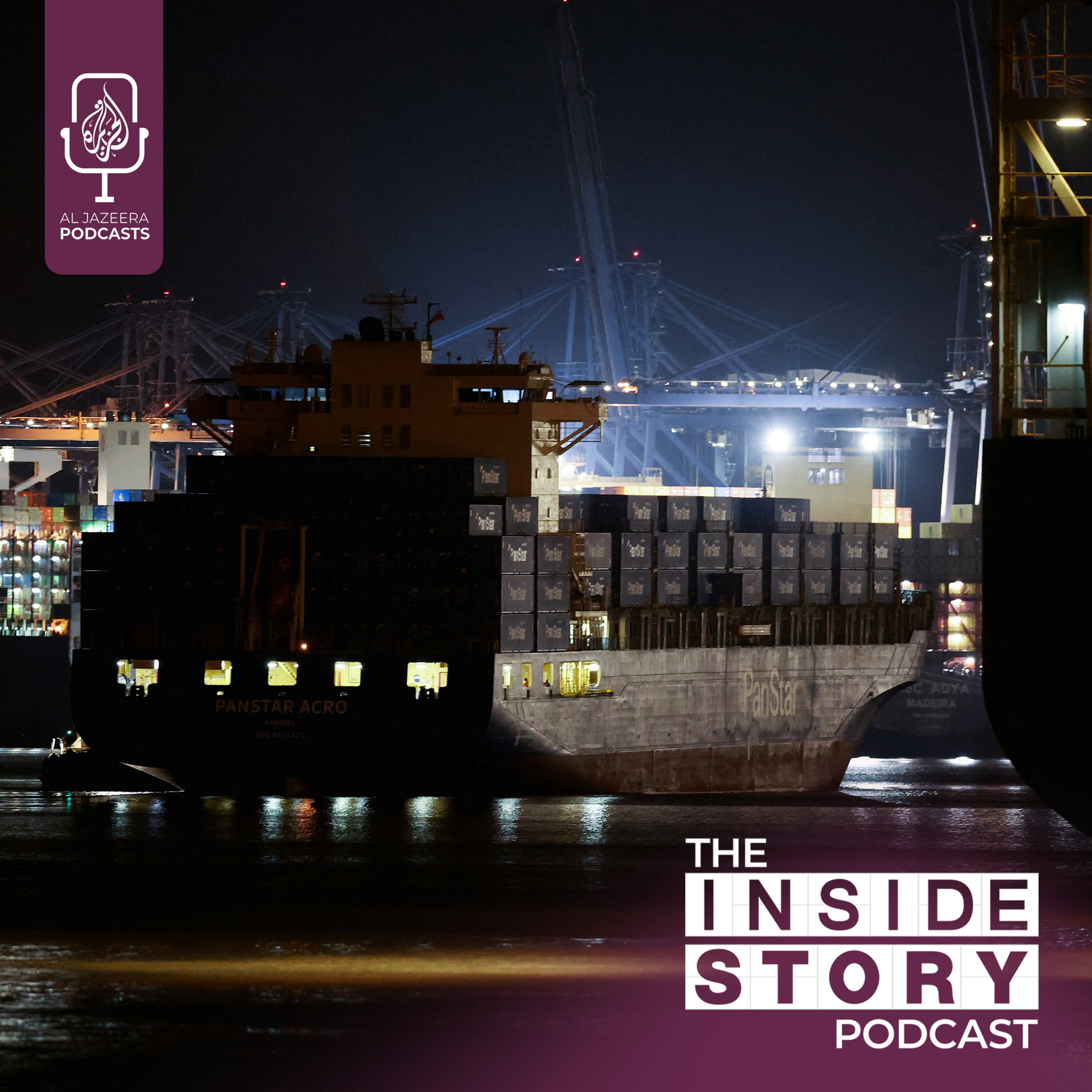
Can a warming Arctic become an important commercial highway?
Climate change has contributed to major melting in the Arctic, making it navigable for greater stretches of the year. Some countries are already taking notice. The first South Korean container ship to transit the Arctic route arrived in the UK on Saturday. But can it become a viable alternative to existing shipping corridors? In this episode: Mads Frederiksen, Executive Director at the Arct
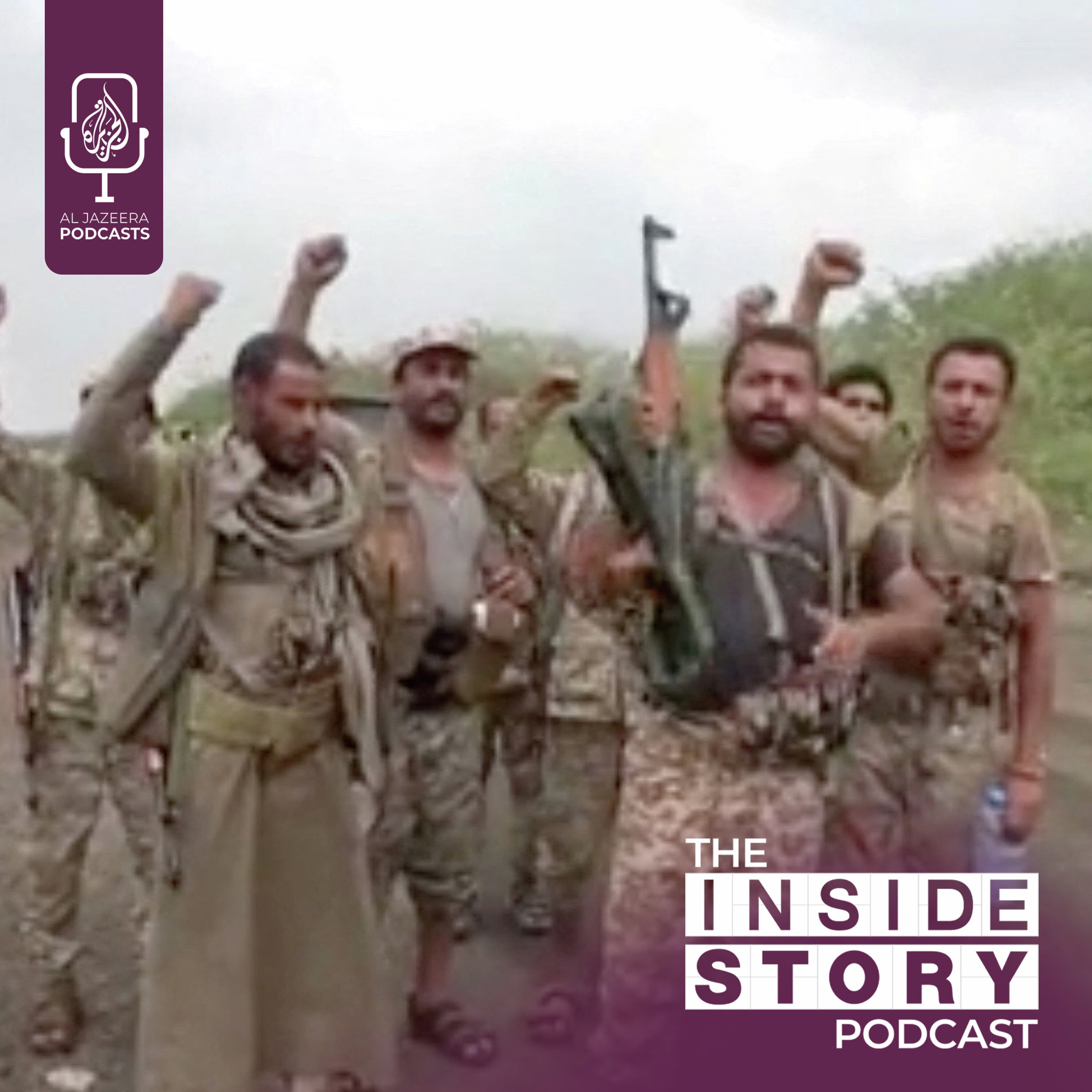
Will the Houthis seizing the Red Sea coast give Iran leverage in the war?
The Ansarullah Houthis seize Yemen's Red Sea coast, cementing their hold on the Bab al-Mandeb Strait. The advance of the Tehran-aligned group threatens an alternative route for energy supplies - with traffic in the Strait of Hormuz already limited. Will it give Iran leverage in its war with the US? In this episode: Ahmed Al-Ashwal - Military and security researcher, and a former pilot offi

How will the far-right AfD's electoral rise impact Germany?
The Alternative for Germany is on top in Sunday's election in the east German state of Saxony-Anhalt, with about 44 percent of the vote. It's benefitted from voters' economic concerns and anger over immigration. The party is also leading in national polls. So what are the implications of the AfD's electoral rise for Germany and for Europe? In this episode: Olaf Boehnke - Berlin Director of
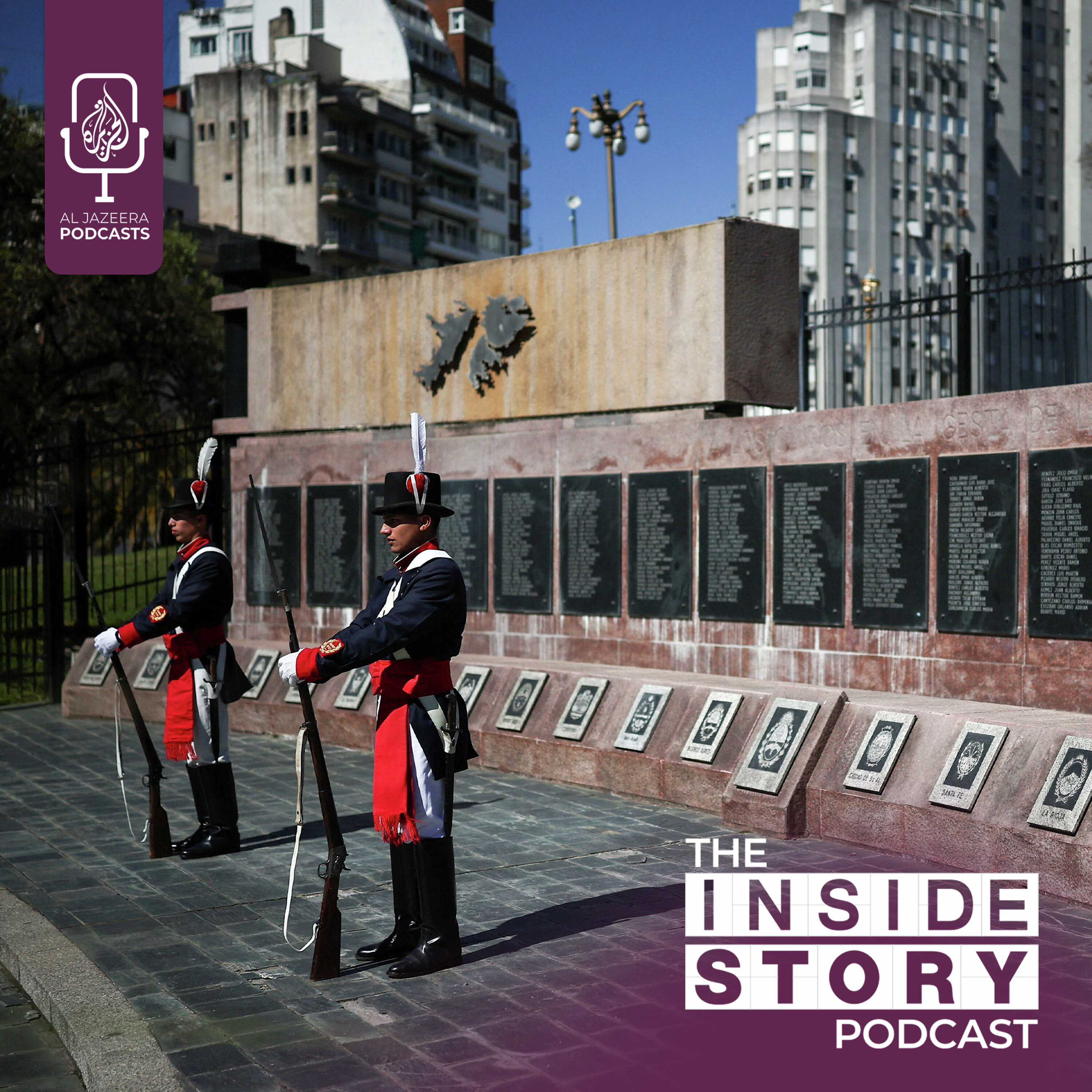
What's triggered the latest argument about the Falkland Islands?
Reigniting the centuries-old Falklands dispute. Argentina's president says sovereignty over the islands remains a national objective. The UK insists the territory is British. What's really triggered the latest argument about the Falkland Islands? In this episode: Diego Guelar - Former Argentinian ambassador to the U.S., EU and China Christopher Sabatini - Director of the L
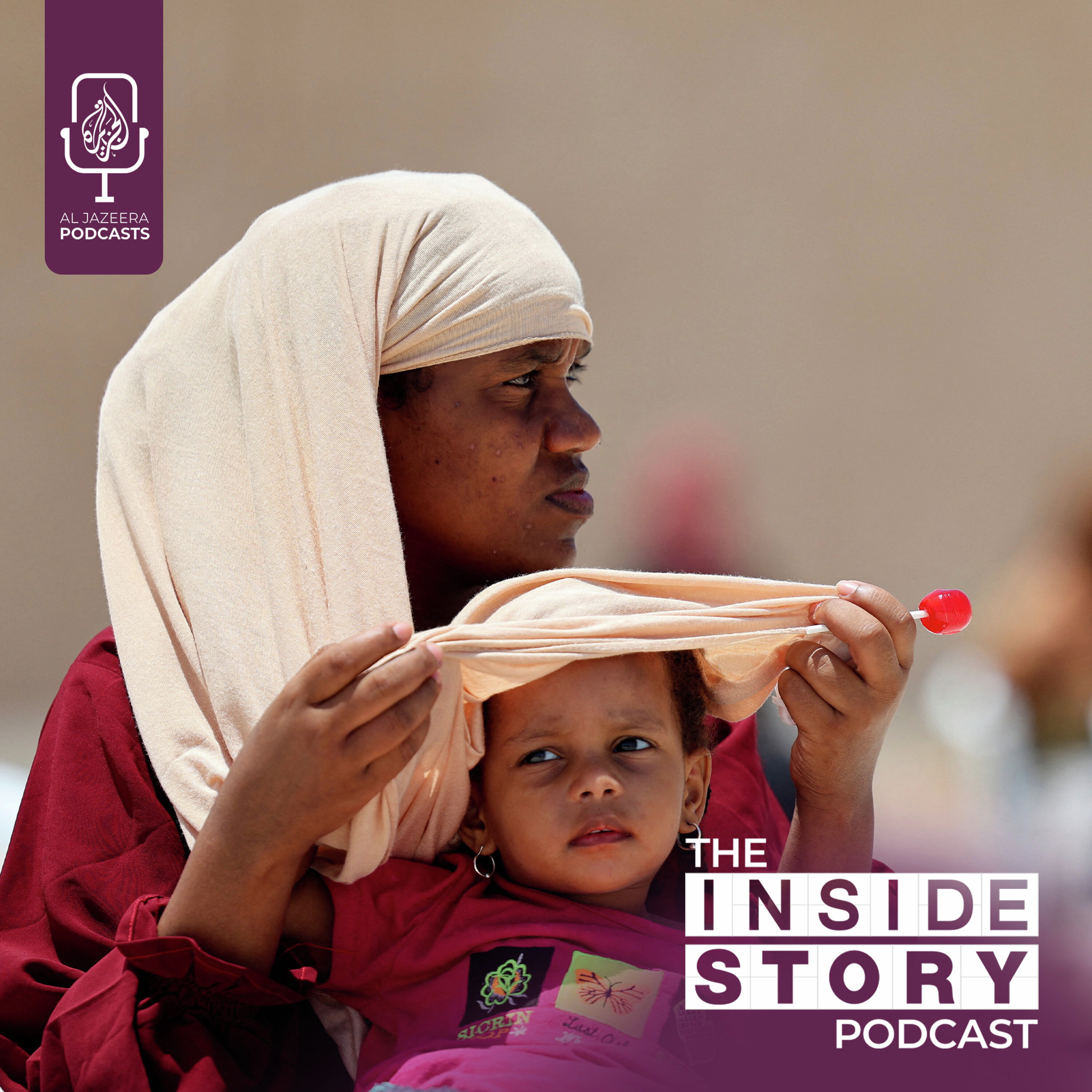
Can Libya find a way to govern the fractured country?
International efforts intensify to find a way forward for Libya. The country is controlled by two rival governments. And diplomacy is aimed at holding elections - to help find a way to govern the fractured country. So, can a way forward be found? In this episode: Mustafa Fetouri - Independent Libyan academic and award-winning journalist William Lawrence - Director of
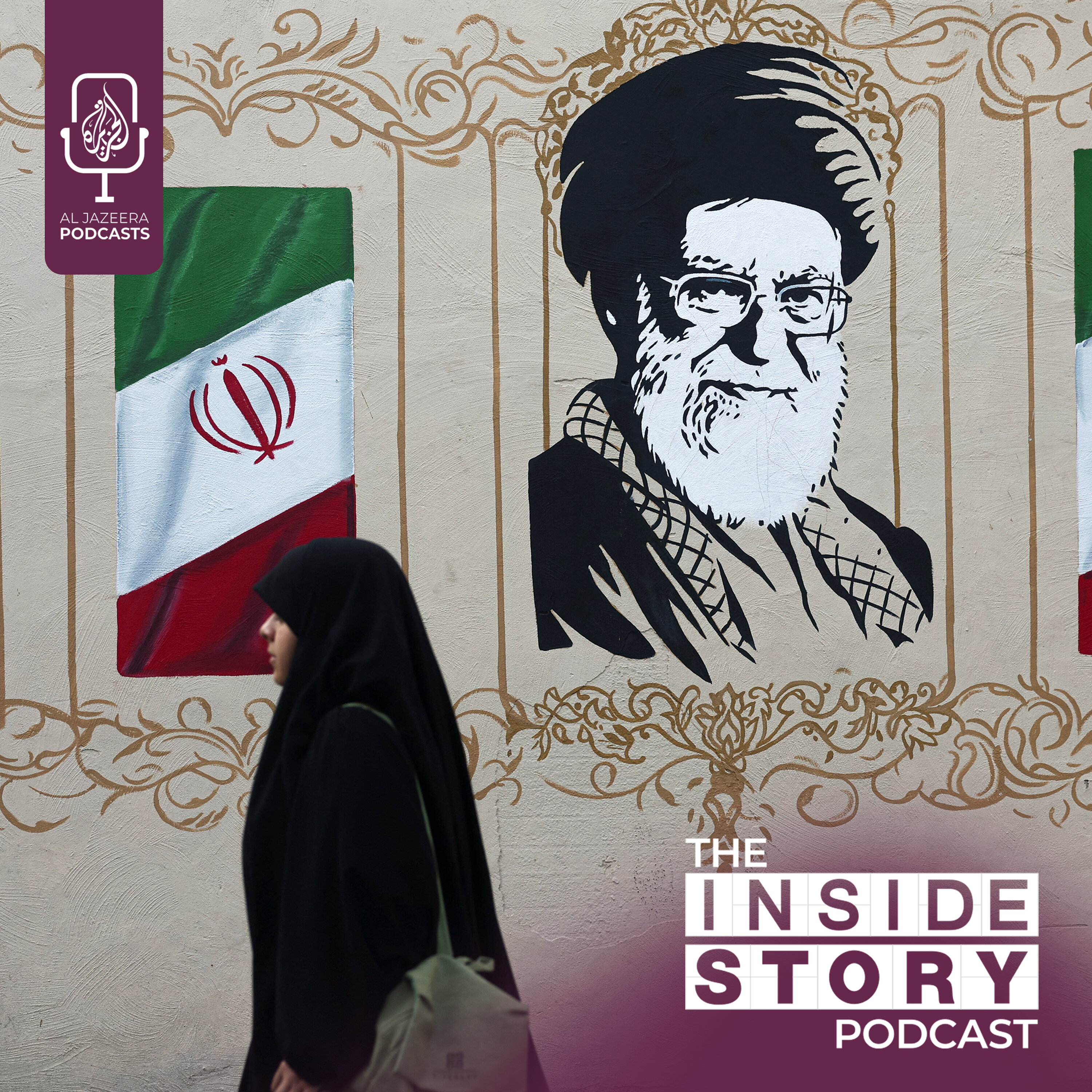
Will Trump's new sanctions against Iran work?
Will Donald Trump's new sanctions against Iran work? The US president says he will impose 'crushing measures' on Tehran. While the Iranian leadership has warned countries not to join what it calls America's 'economic warfare'. What does this mean for the conflict? In this episode: Jamal Abdi, President, National Iranian American Council. Hassan Ahmadian, Professor, Unive
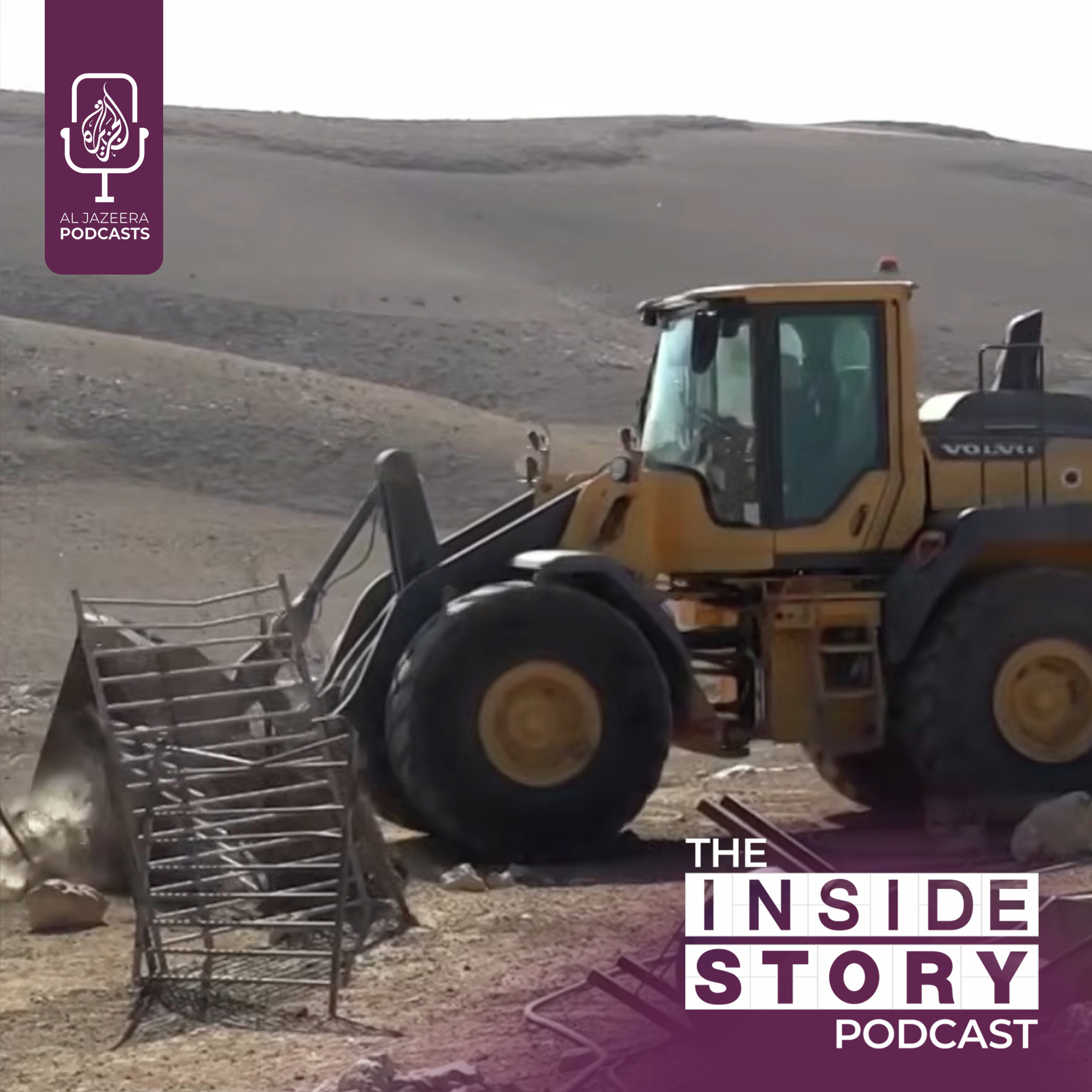
Why is Israel bidding for new illegal settlements in the occupied West Bank?
Israel opens construction bids for new illegal settlements in the occupied West Bank. That's despite widespread international condemnation. What's driving this land grab? And what does it mean for the future of Palestinians -- and an independent Palestinian state? In this episode: Ammar Hijazi - Ambassador and Head of the Palestinian Mission to the Netherlands Alon Pinkas
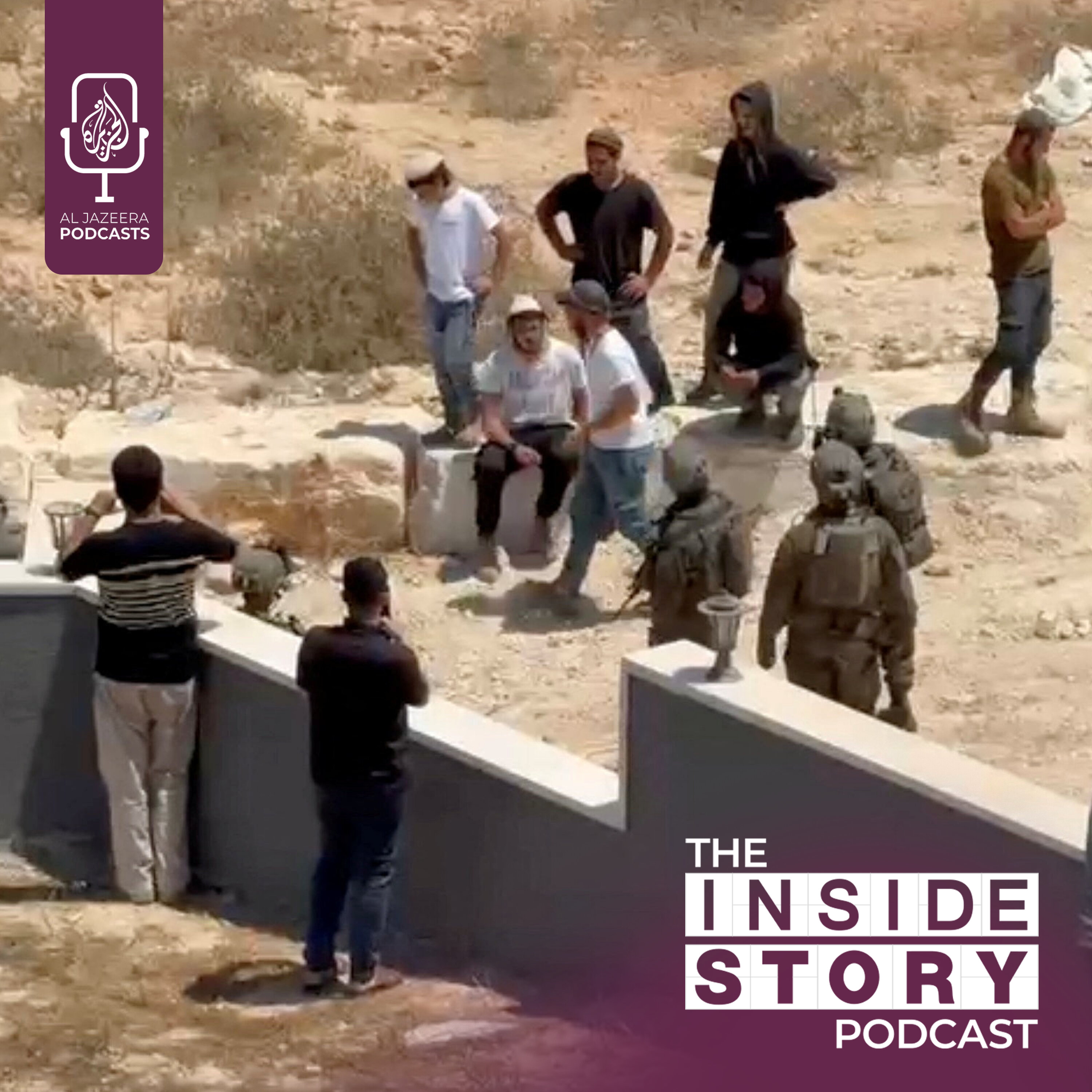
What's driving the escalating Israeli settler violence against Palestinians?
Israeli settler attacks in the occupied West Bank trap Palestinian families in their homes. The violence takes place as Israel's far-right government fights elections in October. Why are attacks by settlers intensifying and what are the consequences? In this episode: Ofer Cassif, Member of the Knesset. Mouin Rabbani, Co-editor, Jadaliyya online magazine. Ori Goldberg, Israeli pol
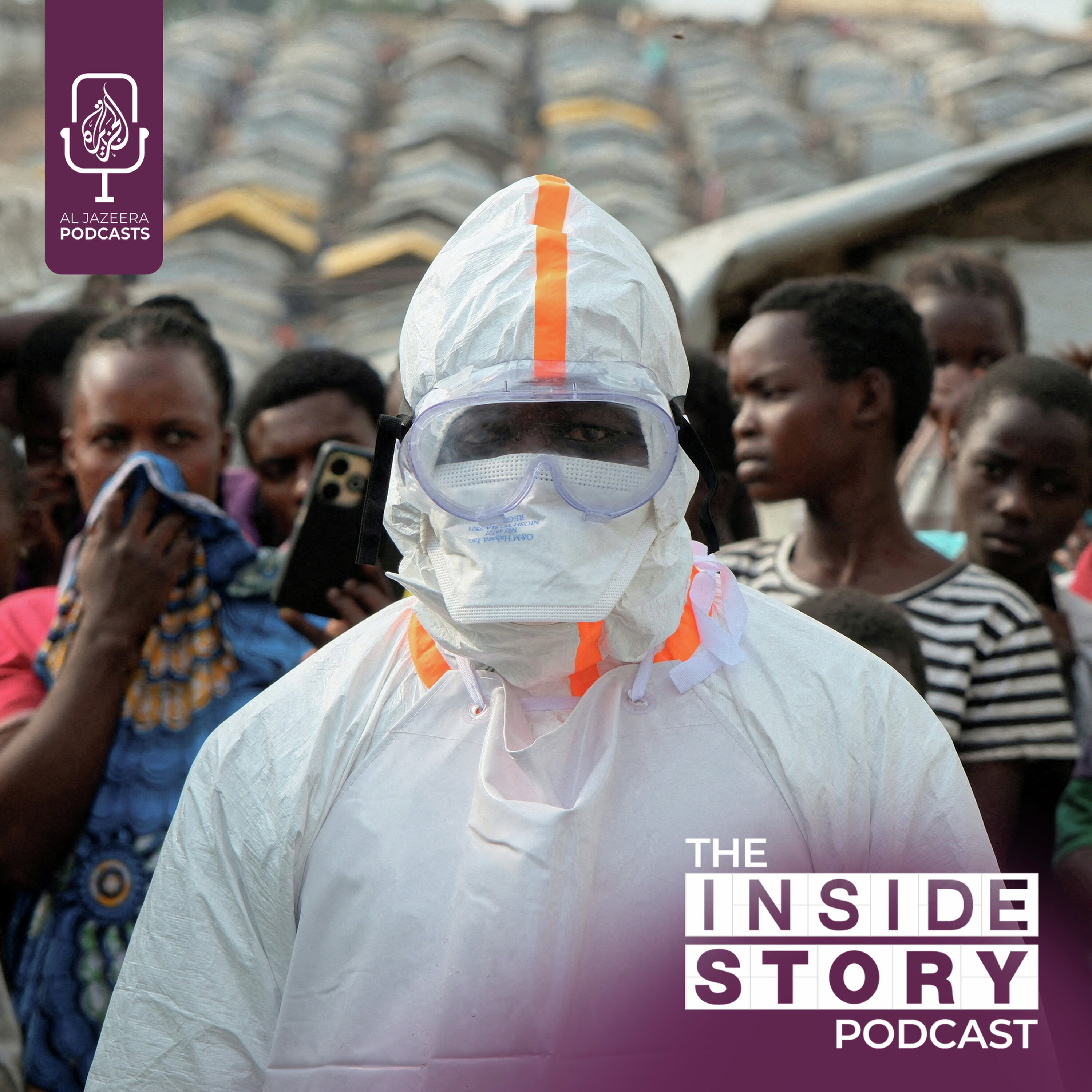
What is driving the Ebola crisis?
The Ebola outbreak in northeastern Democratic Republic of Congo has already killed two thousand people. And it's spreading faster than any before - outpacing efforts to contain it, says the WHO So, what's driving this crisis? And what are the dangers? In this episode: Alex Lock - Communications Co-ordinator for the Ebola response with the International Federation of Red Cross and Red
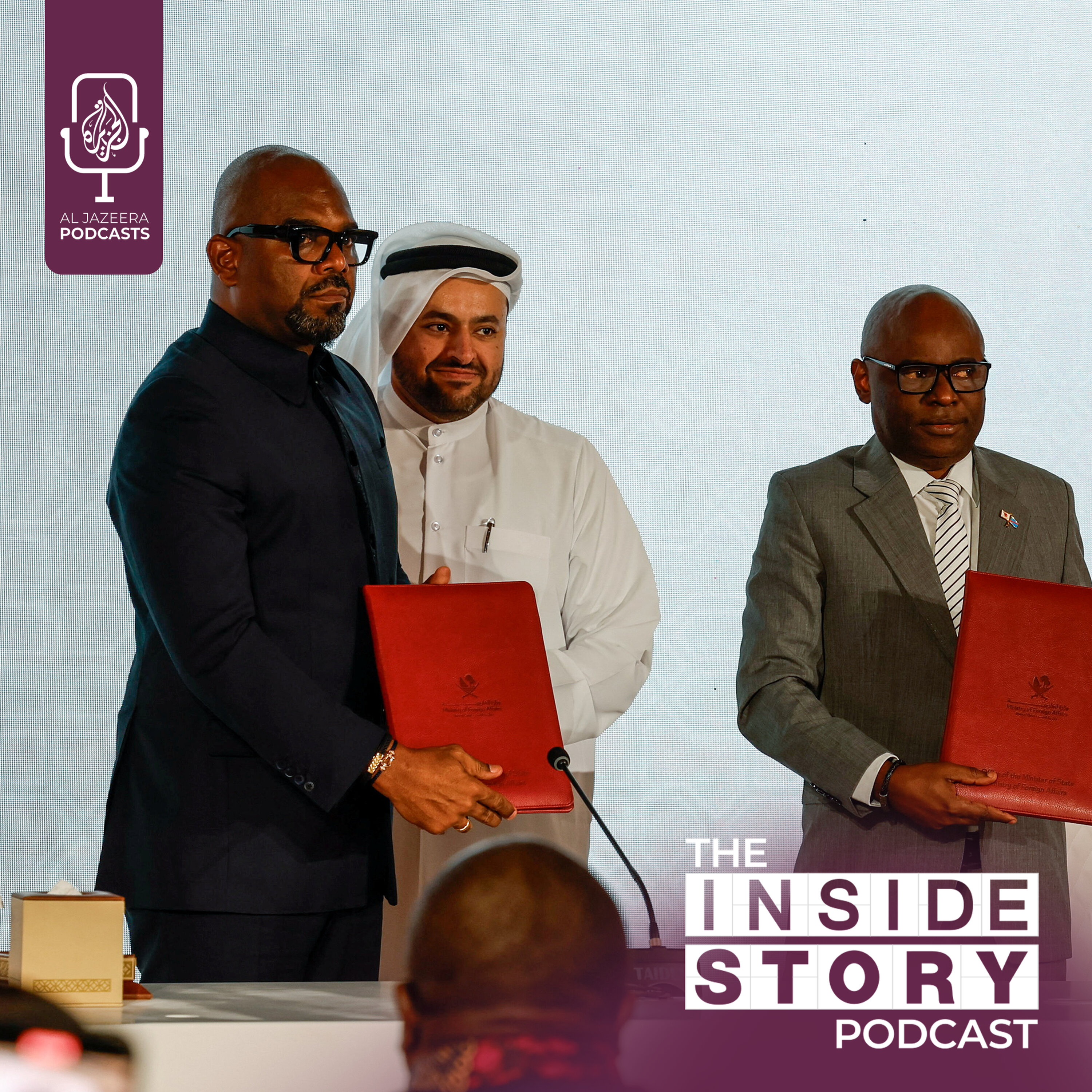
Can the Doha Framework end the conflict in Democratic Republic of Congo?
Can the Doha Framework end the conflict in eastern Democratic Republic of Congo? Kinshasa has handed over 15 prisoners to a powerful rebel alliance. It's part of an agreement signed last year in the Qatari capital. So, what are the hurdles to lasting peace? In this episode: Kambale Musavuli, Analyst, Center for Research, Congo-Kinshasa. Felix Ndahinda, Researcher, Great La
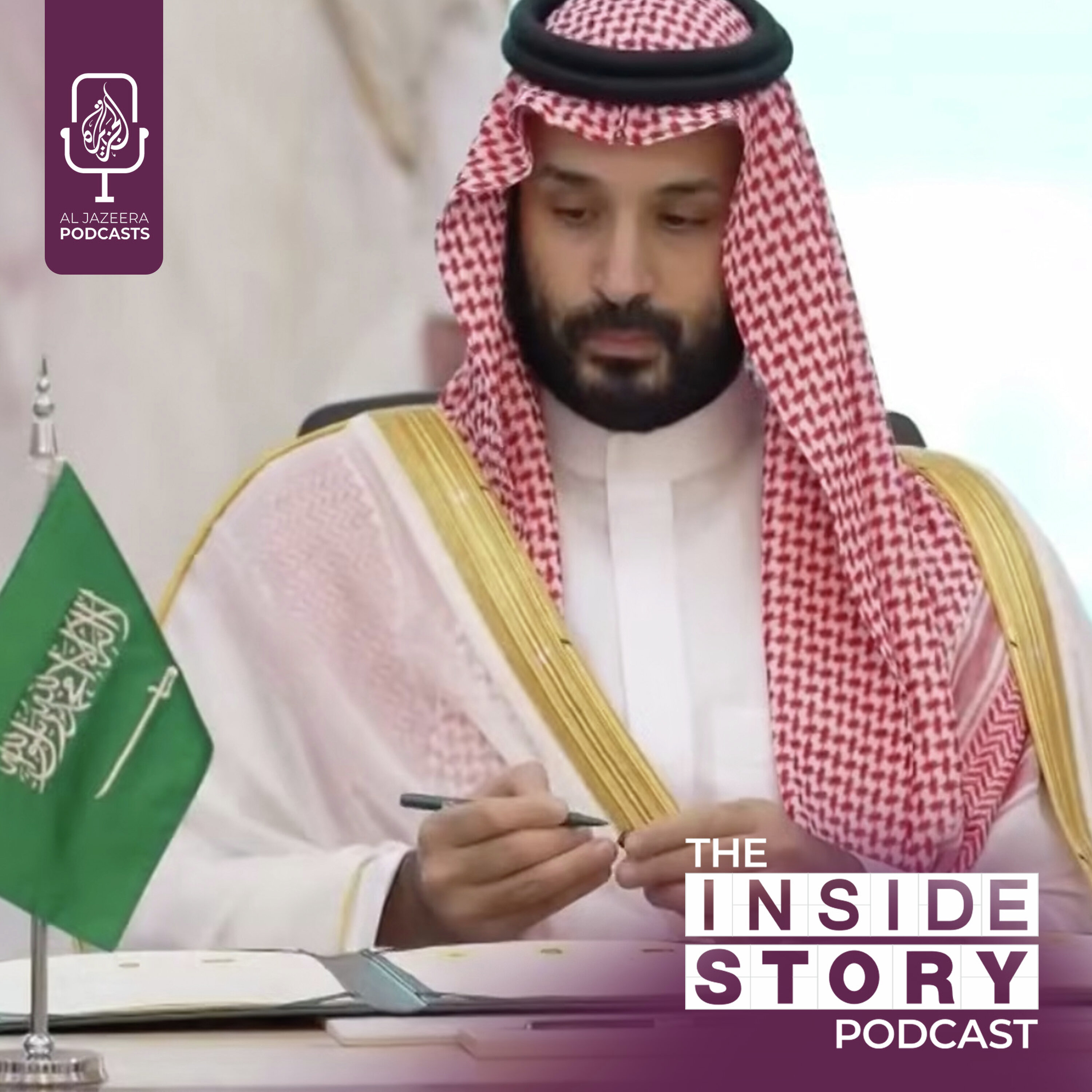
What are the hurdles facing the Mecca agreement?
What are the hurdles facing the Mecca agreement? The defence pact between Saudi Arabia, Turkiye and Pakistan comes at a time of heightened tension in the Middle East. So, who stands to gain from the new alliance? And how is it viewed in the region and beyond? In this episode: Abdulaziz Alghashian - Senior Non-Resident Fellow at the Gulf International Forum David Des Roches
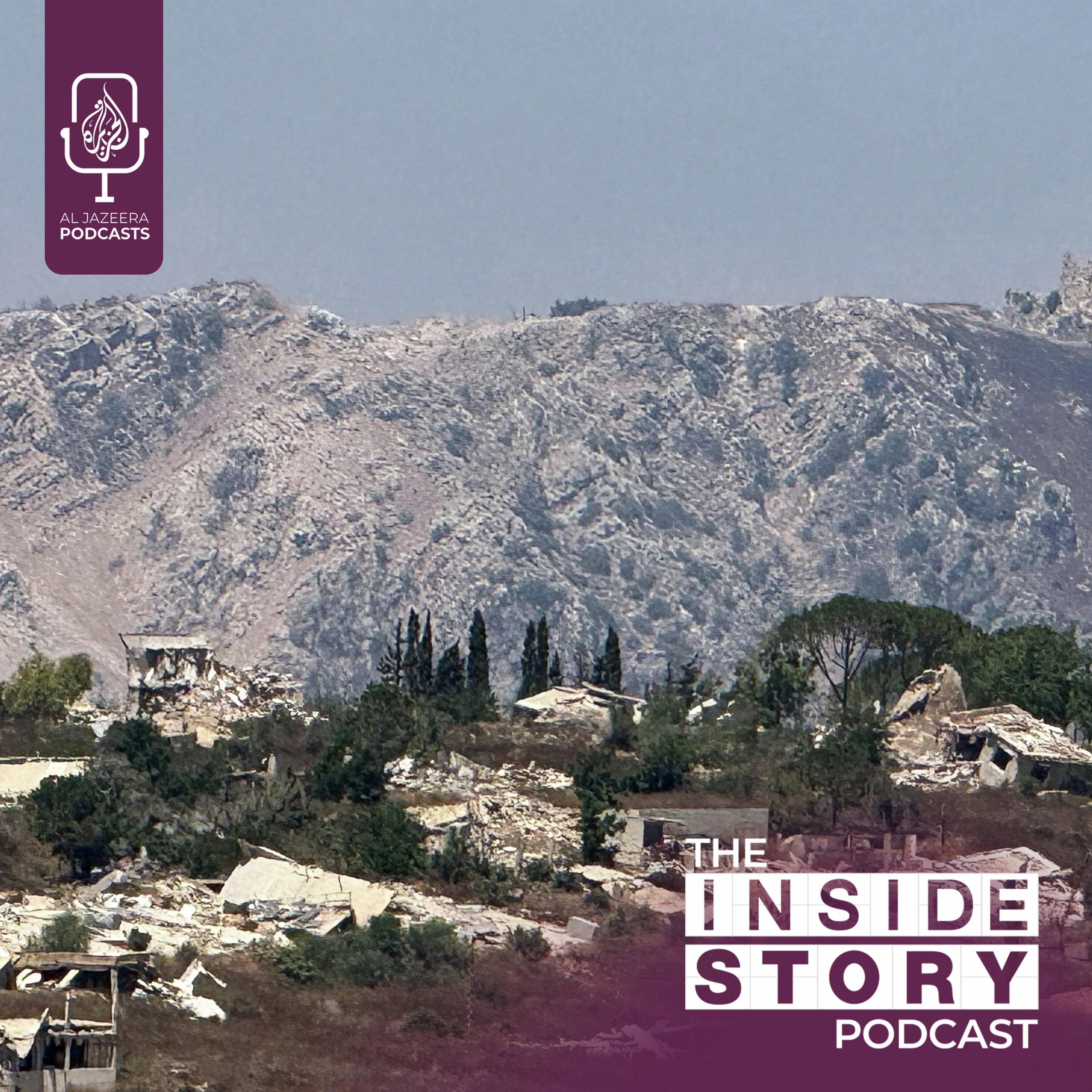
How fragile is Lebanon's uneasy peace?
New Israeli attacks in Lebanon, after soldiers were killed for the first time since a fragile truce with Beirut began in June. It comes despite more Lebanese-Israeli talks in Rome in a U.S.-brokered peace process. So where do things stand now? In this episode: Maha Yahya, Director of the Carnegie Middle East Center in Beirut Jennifer Gavito, Former U.S. Acting Principal Deputy As
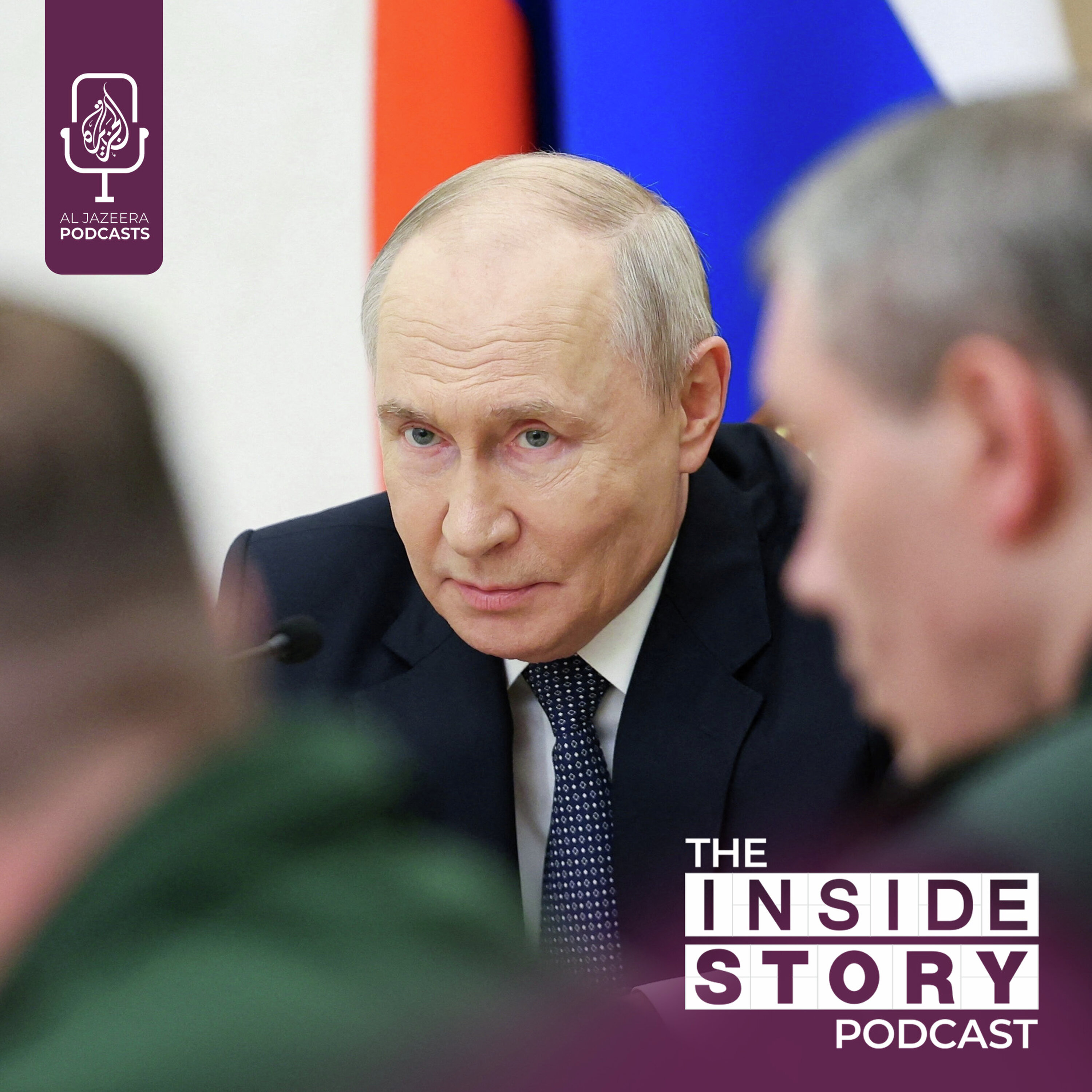
Is the conflict between Russia and Ukraine deepening?
A surge in missile and drone attacks by Russia and Ukraine with civilians killed on both sides. Little movement on the diplomatic front, while U.S. attention is largely focused on Iran. So, what's next for Europe's worst conflict since World War Two? In this episode: Andrey Kortunov, Russian affairs analyst and a former Director General of the Russian International Affairs Council&nbs
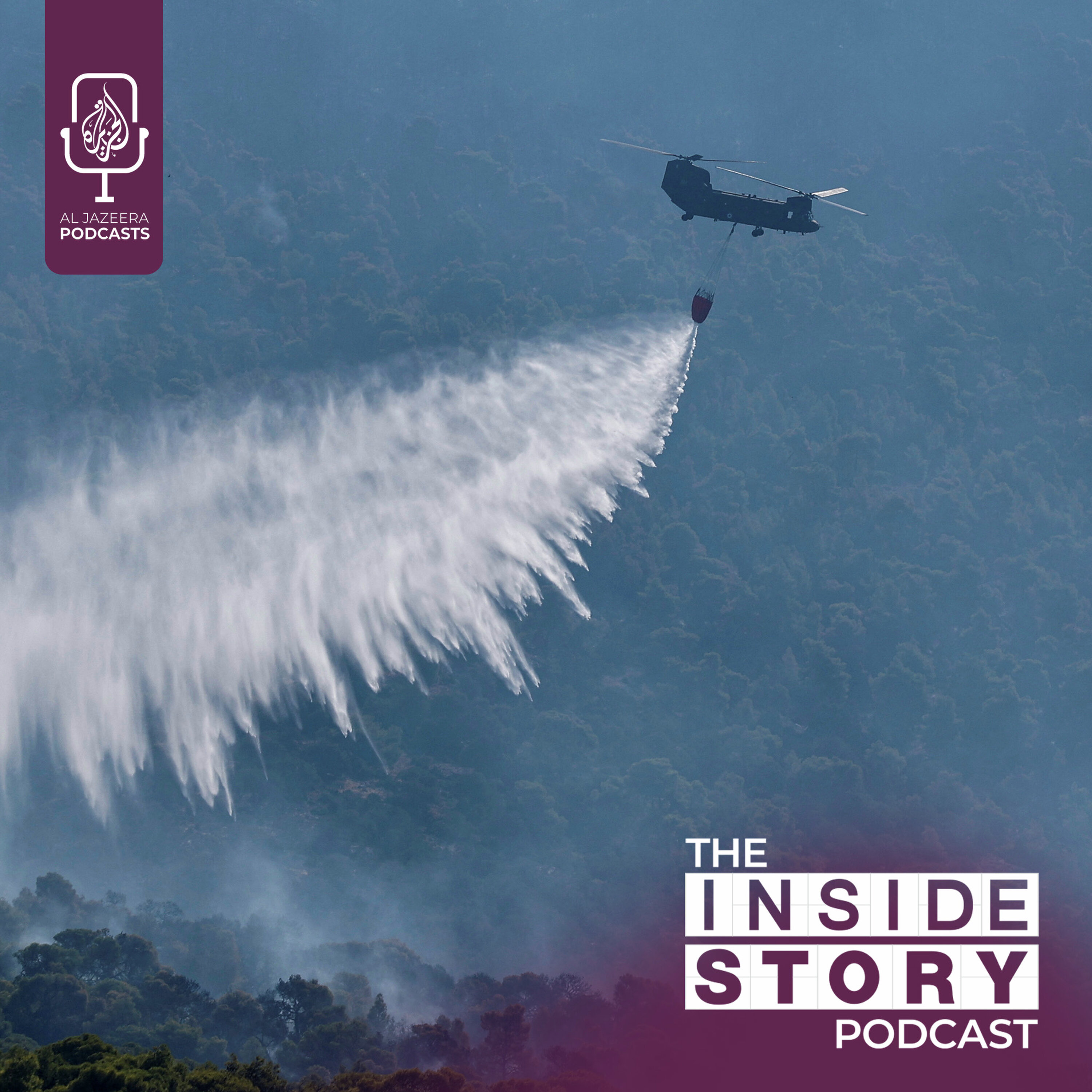
How much of a challenge are wildfires to Europe?
How much of a challenge are wildfires to Europe? Rapidly spreading blazes are scorching the continent, destroying forests, farmland, homes and businesses. They're becoming bigger and more difficult to control. So, what's fuelling the flames? In this episode: Paleologos Paleologou -- Geographer and an Associate Professor of Forest Protection at the Agricultural University of A
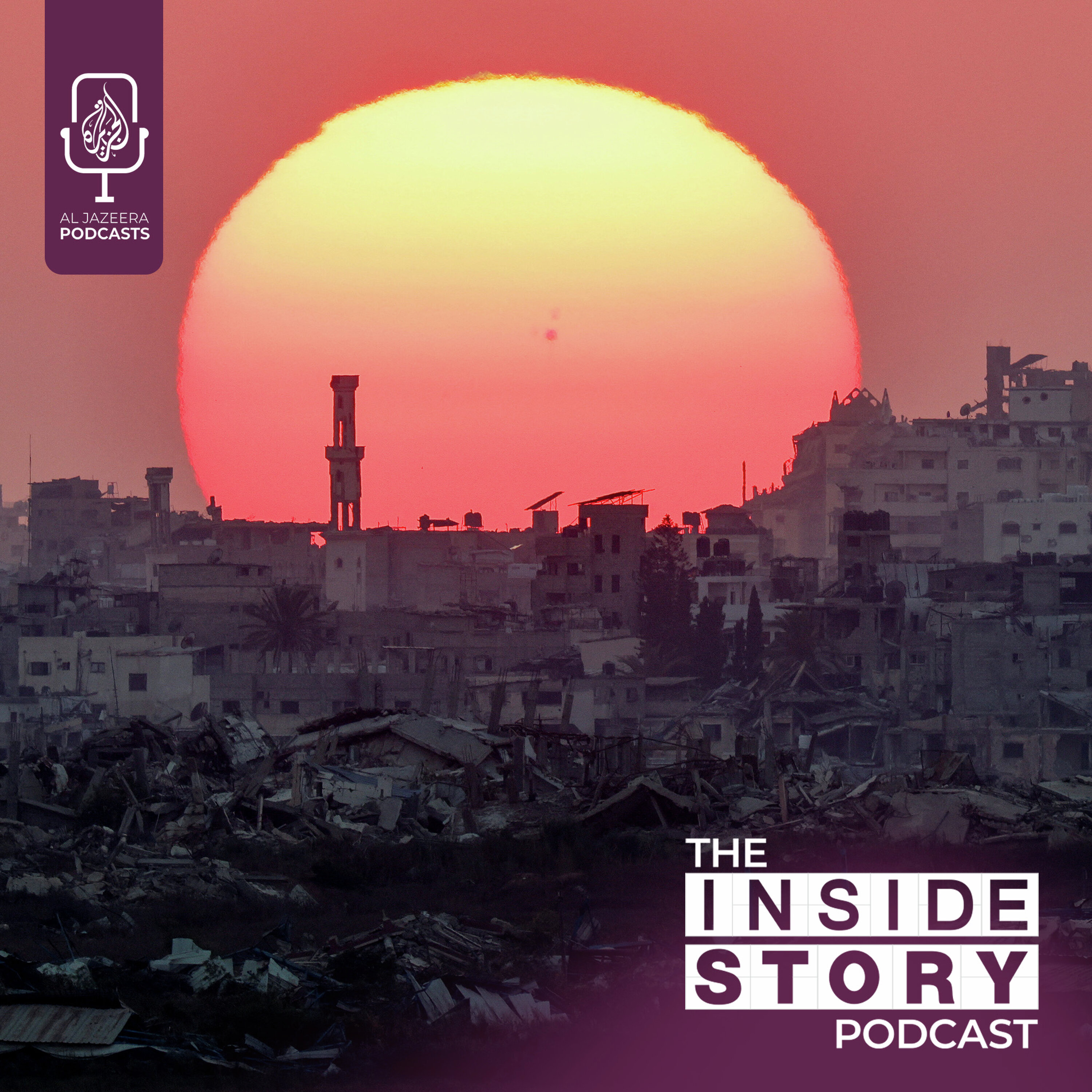
Will Israel withdraw from Gaza if Hamas disarms?
Israel says it has doubts about Hamas disarming. The group and other Palestinian factions in Gaza have agreed to lay down their weapons. But they say it's dependent on the withdrawal of Israeli troops — which Israel has refused to do unless they disarm. Where does this leave Gaza? In this episode: Xavier Abu Eid, Political analyst and former adviser to the Palestinian negoti

What does the US hope to gain from Venezuela's government-opposition talks?
Venezuela's government and a section of the opposition plan to hold talks, backed by the United States. But prominent opposition politician and Nobel laureate Maria Corina Machado has been excluded. So, what can the talks achieve and what's Washington seeking to get from it? In this episode: Elias Ferrer, Political Economy Analyst. Vanessa Neumann, Founder and CEO, Asymmetrica.
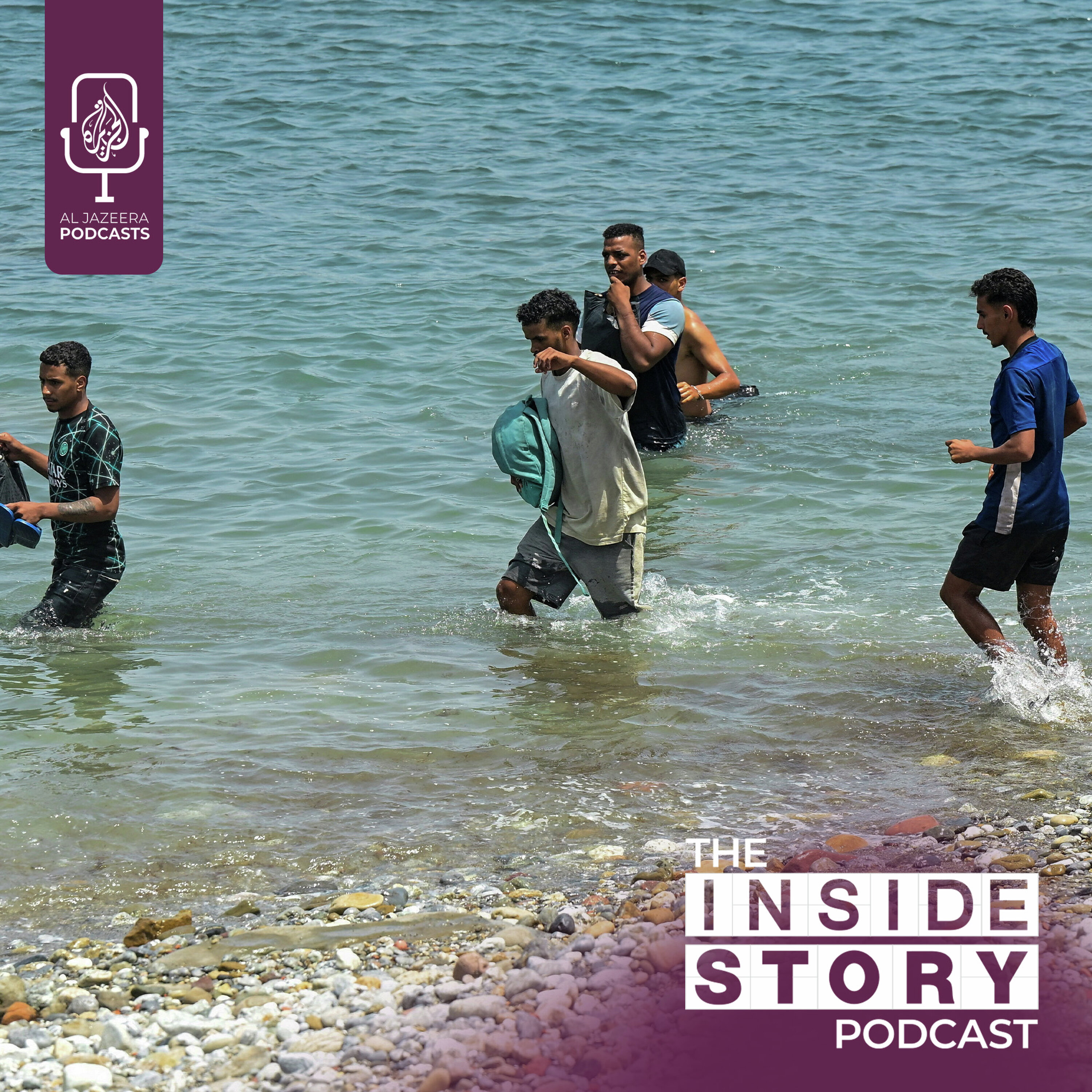
Why did thousands of migrants cross into Spain's Ceuta?
Tens of thousands of migrants crossed into Spain's north African territory of Ceuta from Morocco. While most of them have since returned - Spain's been condemned by right-wing politicians in Europe and the United States. Is the criticism about border management or is it politics? In this episode: Anna Terron Cusi - Spain’s former Secretary of State for Immigration and Emigration, who'

Does FIFA need private investment?
FIFA is facing a growing backlash after its proposal to sell a stake in its top events. Europe's governing body UEFA has threatened to boycott the World Cup if this plan goes ahead. So, does FIFA need private investment? In this episode: Chris Brady, Football finance expert and Chief Intelligence Officer for the Sportsology Group Bassirou Sakho, FIFA-licensed football agent
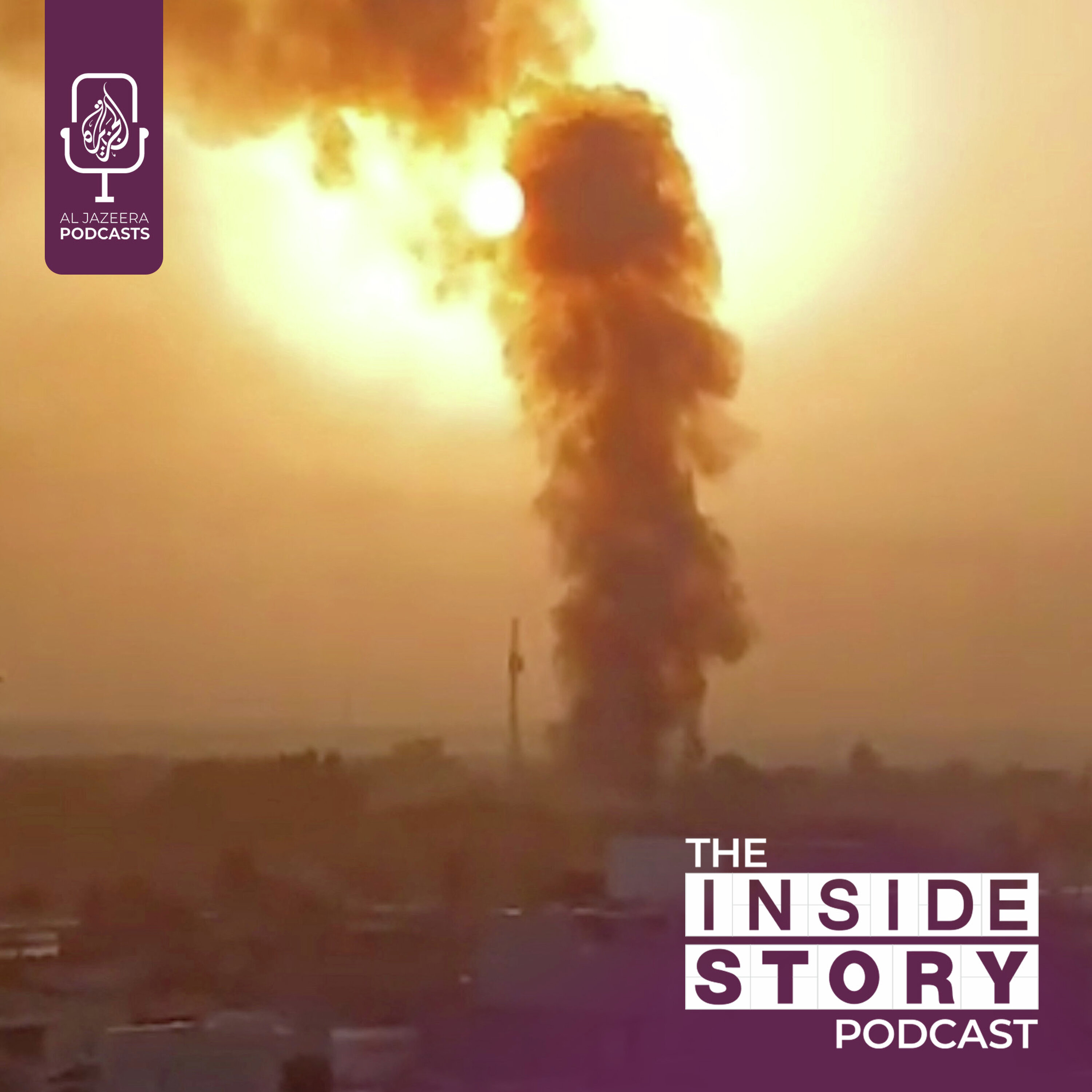
Will Saudi Arabia be dragged further into the war in Iran?
Anger in Iraq after Saudi Arabia attacked an umbrella paramilitary group with ties to Iran. Riyadh accuses the Popular Mobilization Forces of targeting its oil facilities. As the US-Iran war drags on, what are the risks of the conflict spreading? In this episode: Ahmed Rushdi, Head of the House of Iraqi Expertise Foundation, a policy think-tank and research organisation Ahmed Al Maimouni, H
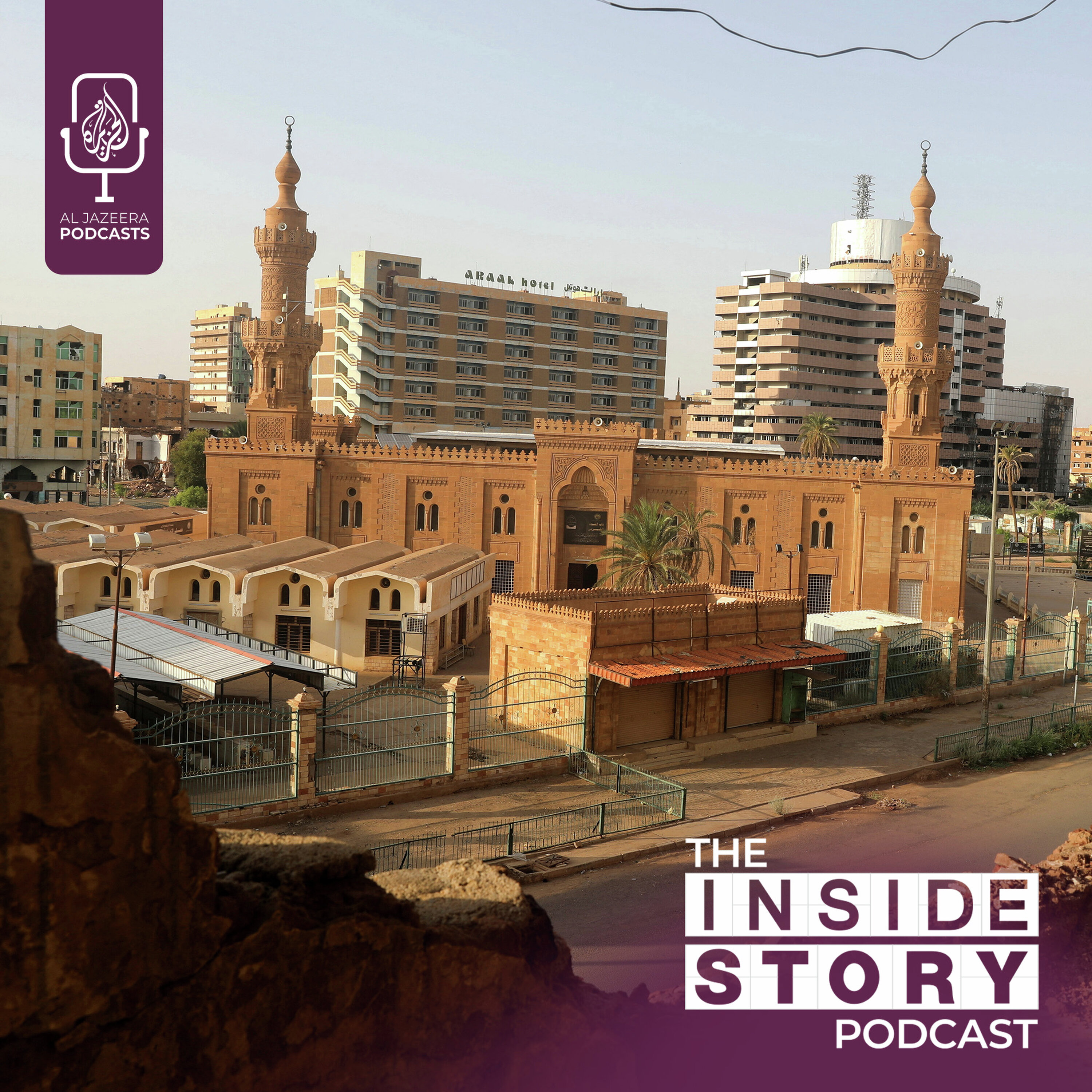
What will it take to stop the conflict in Sudan?
Sudan's army says it's regained control of a highway connecting the capital to North Kordofan state. The area has become the latest front in the conflict with paramilitaries, which has killed tens of thousands of people. Will it be enough to shift the outcome of the fighting? In this episode: Sanosi Zakaria, Editor-in-chief of the Sudan Mirror and former Sudanese army officer Shashwat Saraf
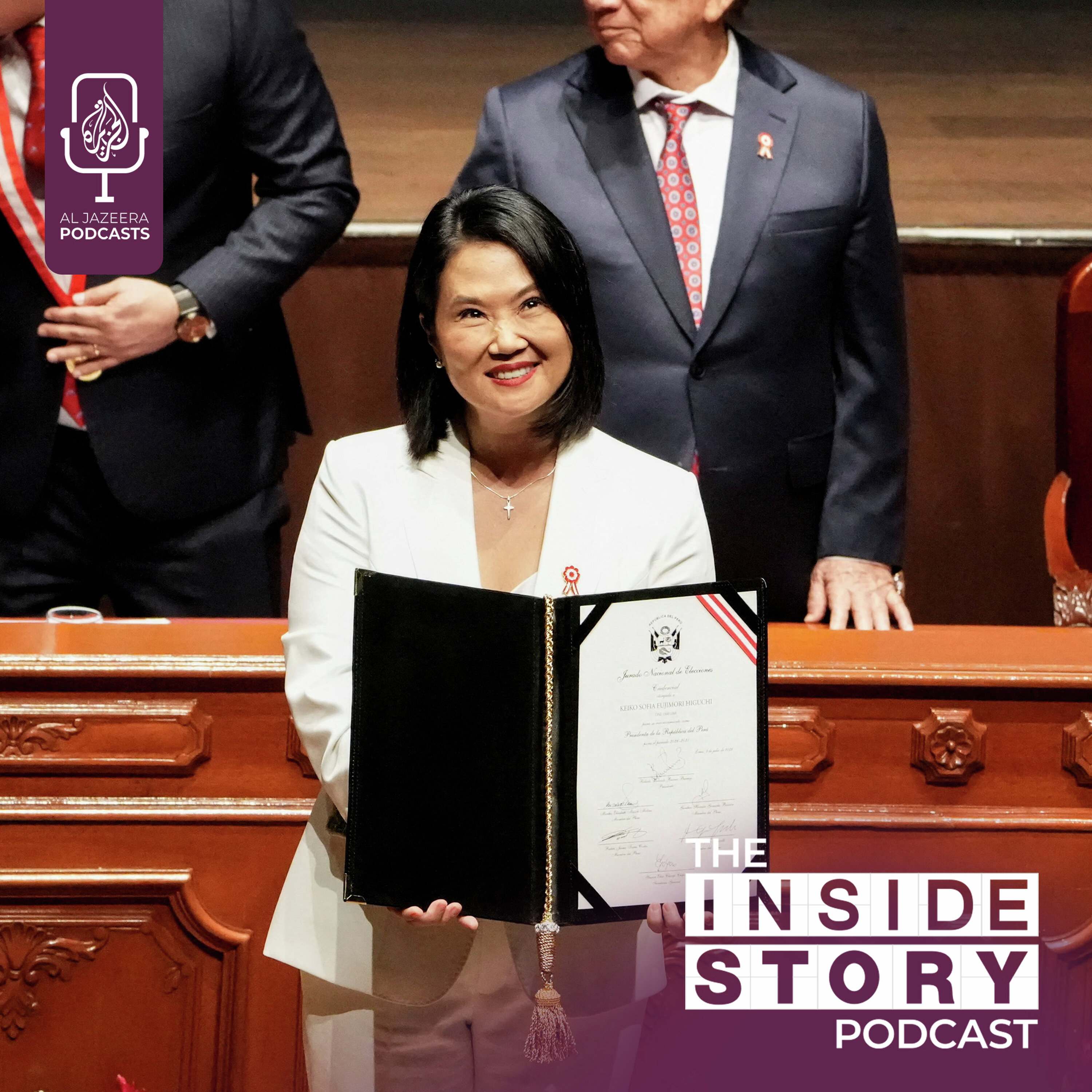
Will Peru's Keiko Fujimori administration move beyond her father's legacy?
Peru is getting its ninth president in ten years. Keiko Fujimori is taking the reins more than 25 years after her father's polarising presidency. But the scars of that era still divide Peru. Will her government move beyond his legacy? In this episode: Jose Ragas, Historian and Assistant Professor at the Catholic University of Chile Renata Segura, Programme Director for Latin America a
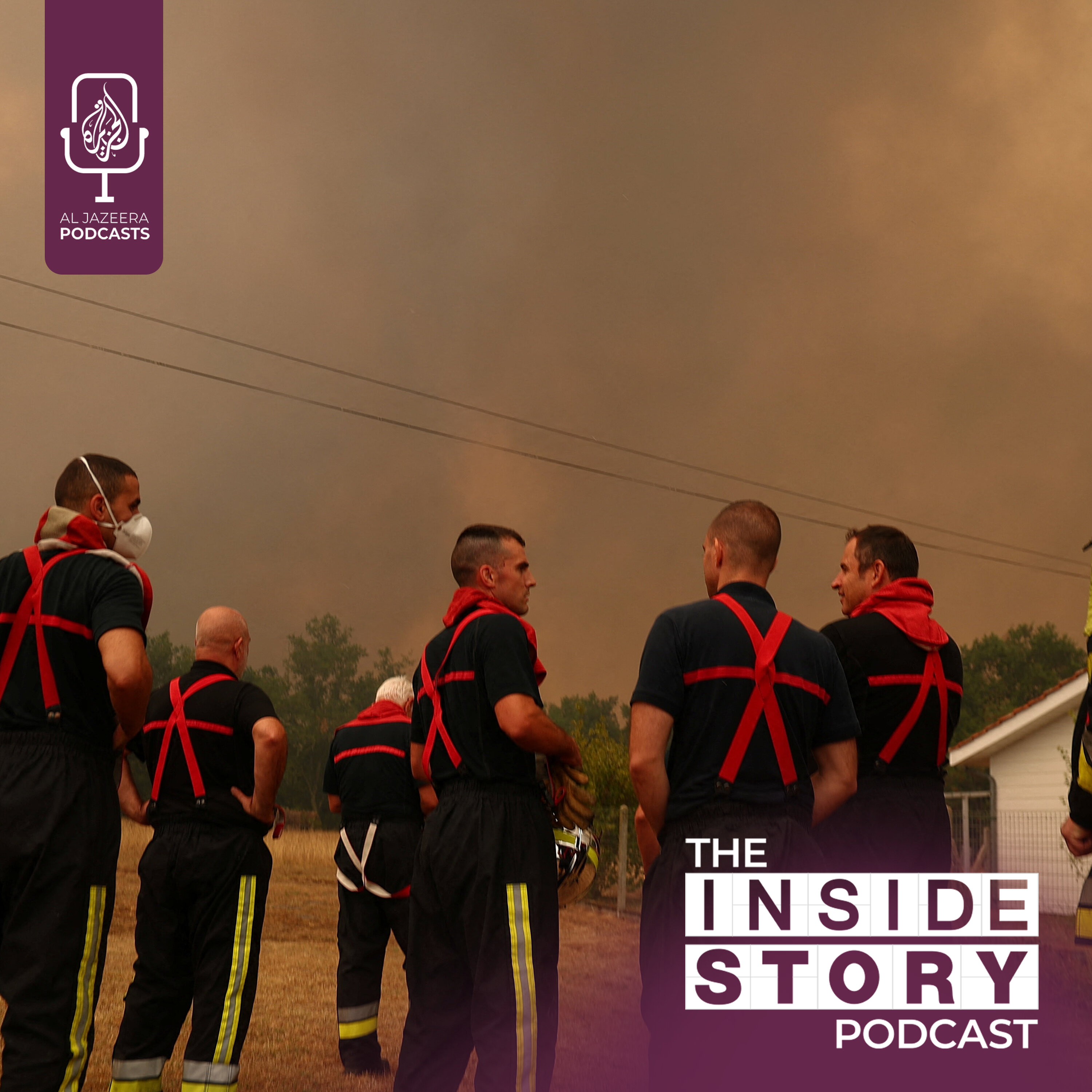
What will it take to bring the wildfires under control in Europe?
Europe engulfed in flames as wildfires spread rapidly. Hundreds of thousands forced from their homes; swathes of land scorched. Climate change has contributed to this unprecedented fire season. But what will it take to bring the situation under control? In this episode: Eduardo Rojas, Chairman of the Board, Programme for the Endorsement of Forest Certification. Soraya Fettih,
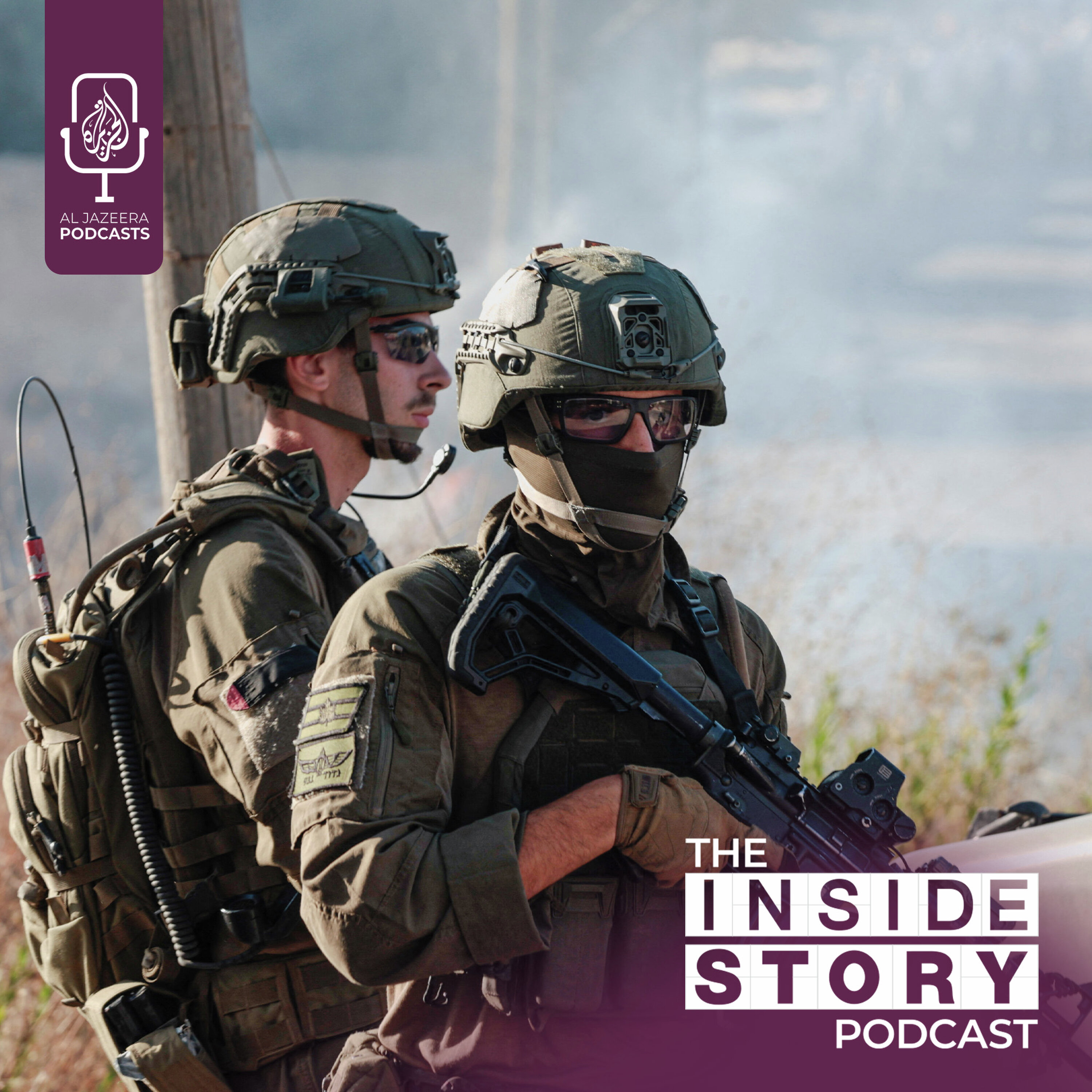
Why are settler attacks on Palestinians intensifying?
Israel says it's planning a major military operation in the occupied West Bank. Settler attacks on Palestinians are intensifying, becoming increasingly violent. As Israel is gearing up for an election, how does this escalation serve Benjamin Netanyahu and his far-right partners? In this episode: Alon Pinkas - Former Israeli ambassador and consul general in New York Sari
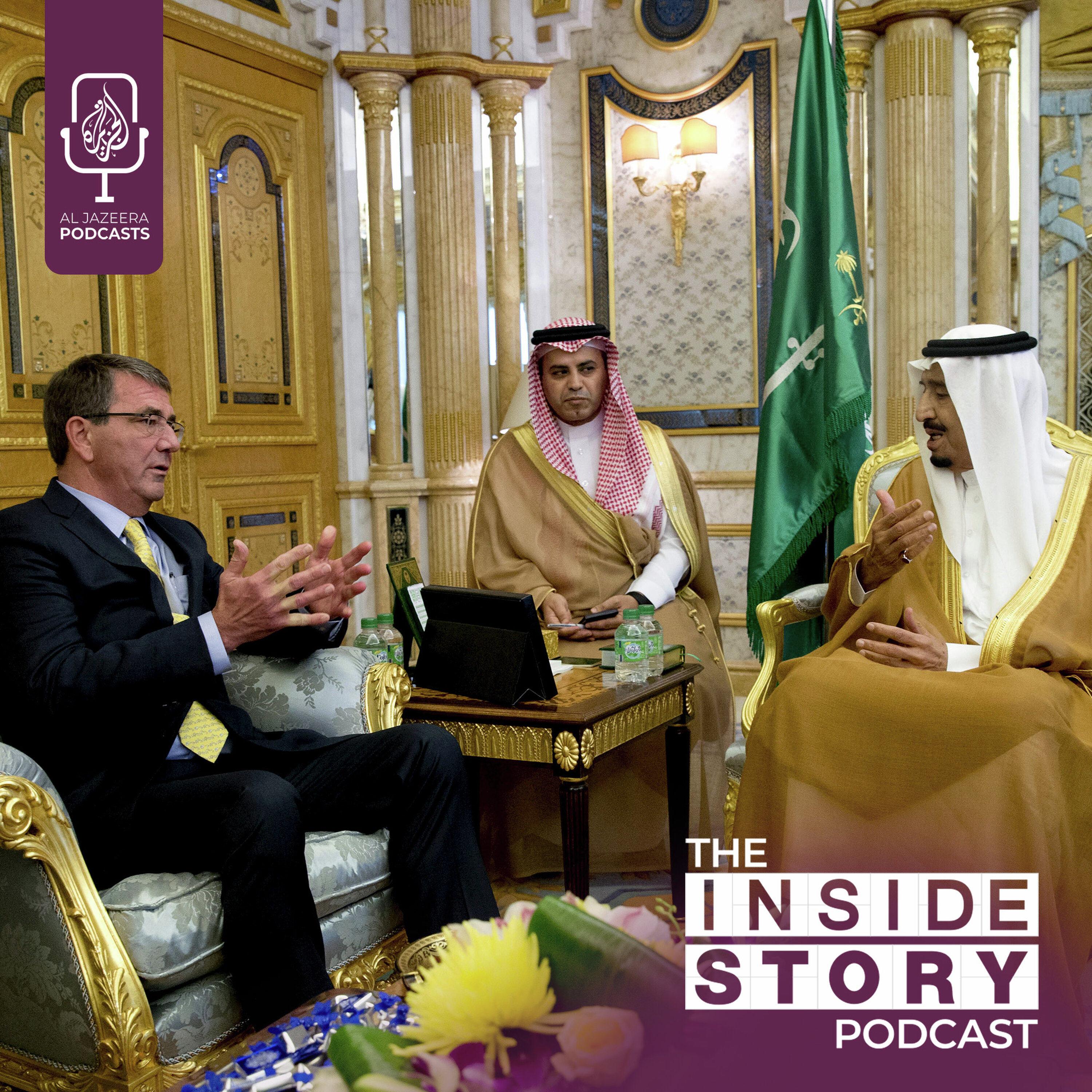
What's the significance of the US-Saudi nuclear deal?
What's the significance of the U.S.-Saudi nuclear deal? The two countries signed an agreement to co-operate on what they say is generating energy for civilian purposes. But in a volatile Middle East, could this deal lead to a new global nuclear arms race? In this episode: Abdulaziz Alghashian, Senior Non-Resident Fellow at Gulf International Forum Barbara Slavin, Distinguished Fel
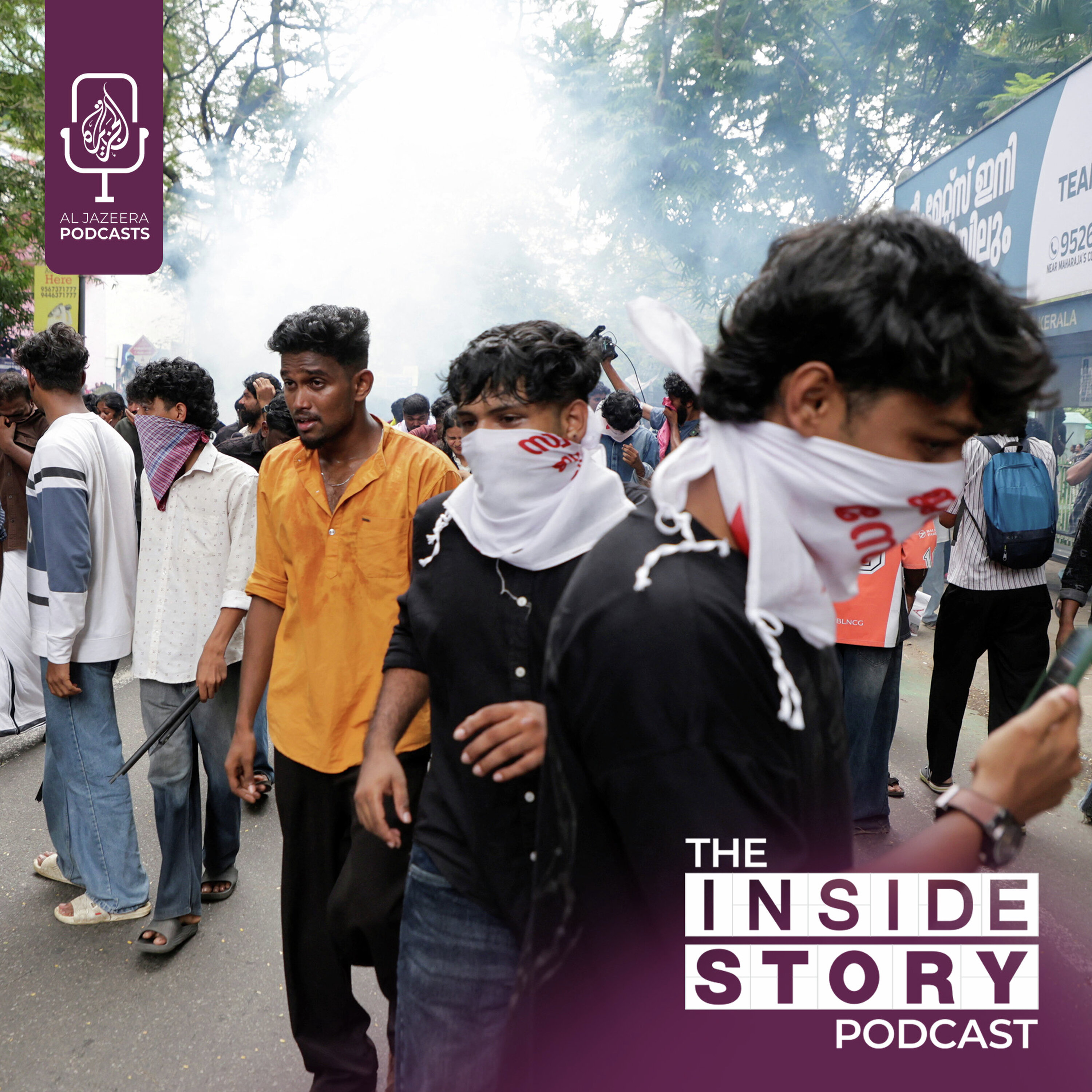
Can India's youth-led protest movement bring lasting change?
India's government is under pressure. Tens of thousands of students are on the streets - demanding the Education Minister's resignation. What started as a protest after exam papers were leaked has turned into a campaign for better living conditions. So, can the youth-led movement bring lasting political change? In this episode: Amulya Dhawan, Political Science and Sociology student at Ashok
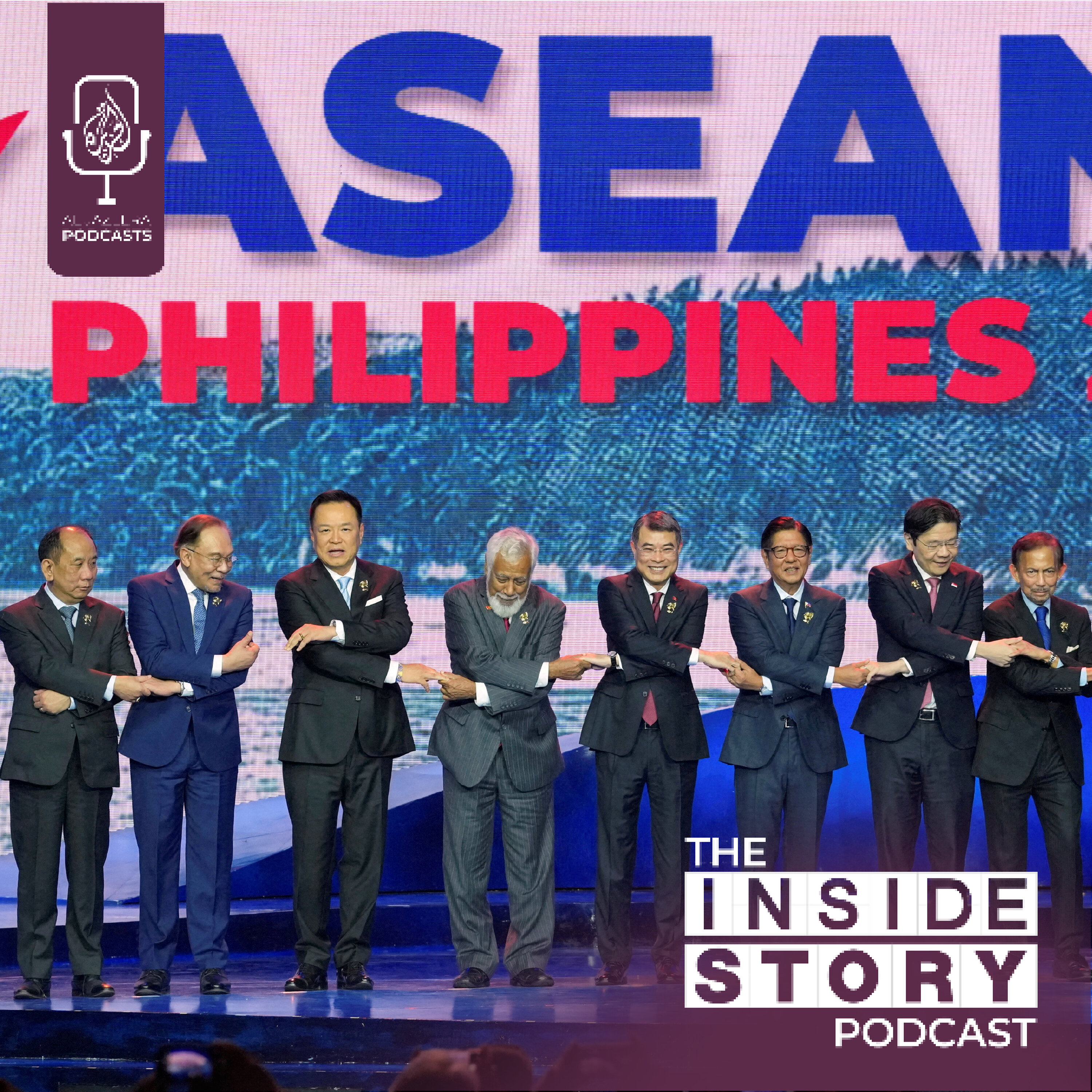
Will the US-Iran war dominate discussions at the ASEAN summit?
Southeast Asian nations are gathering for the 2026 ASEAN Summit where topics such as Myanmar and regional security are on the agenda. But officials are gathering amidst an escalating war between the US and Iran. So, will the conflict overshadow the other issues facing ASEAN? In this episode: Richard Heydarian, Political Scientist. Phar Kim Ben, Professor in ASEAN studies at International Is
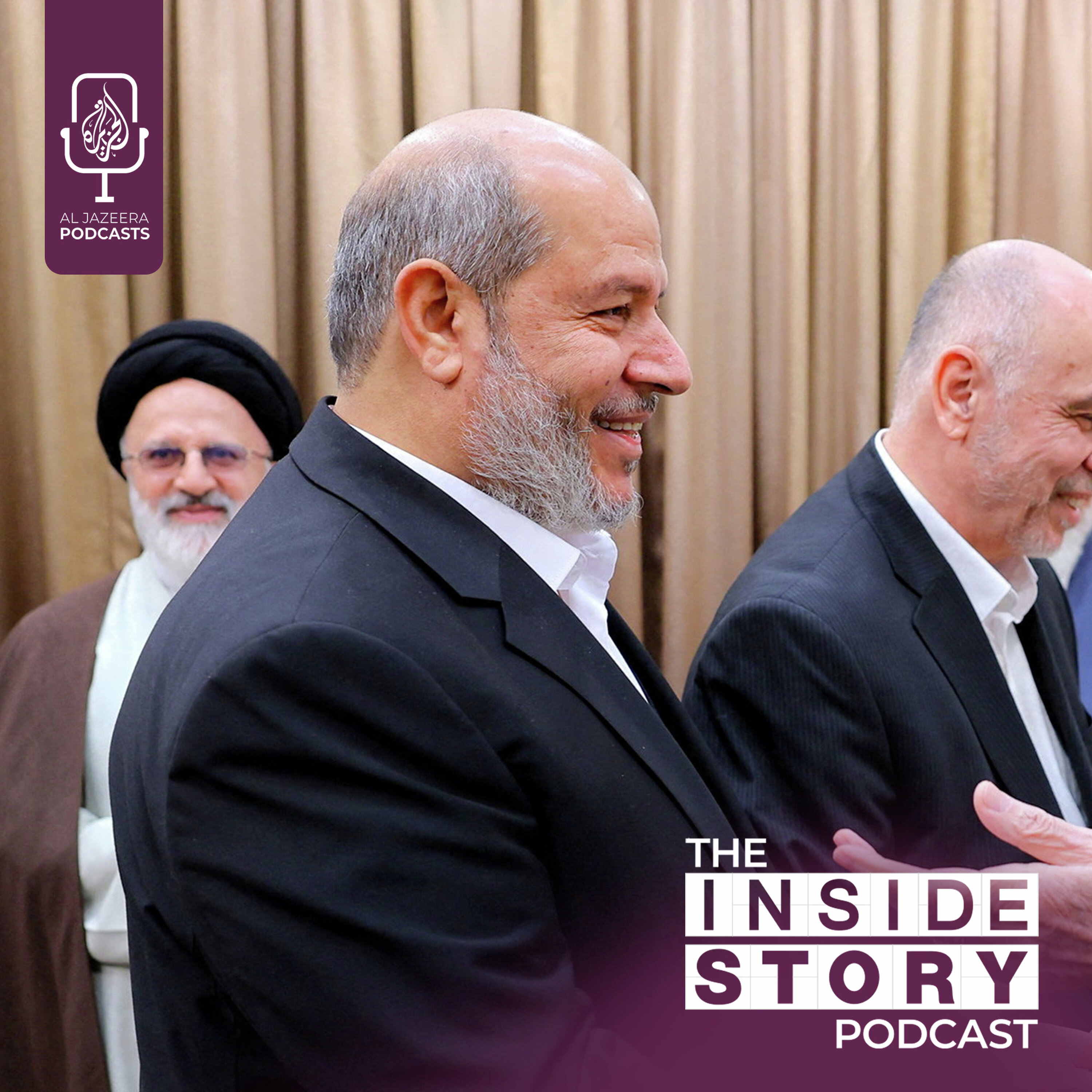
How will Khalil al-Hayya's leadership shape Hamas?
Khalil al-Hayya has been appointed head of the Hamas political bureau. He played a major role in the ceasefire talks to end Israel's devastating war on Gaza. How significant is his election for both Hamas and the Palestinian territory? In this episode: Ibrahim Fraihat, Professor at the Doha Institute for Graduate Studies. Muhammad Shehada, Senior Fellow at European Council on Foreign Relati
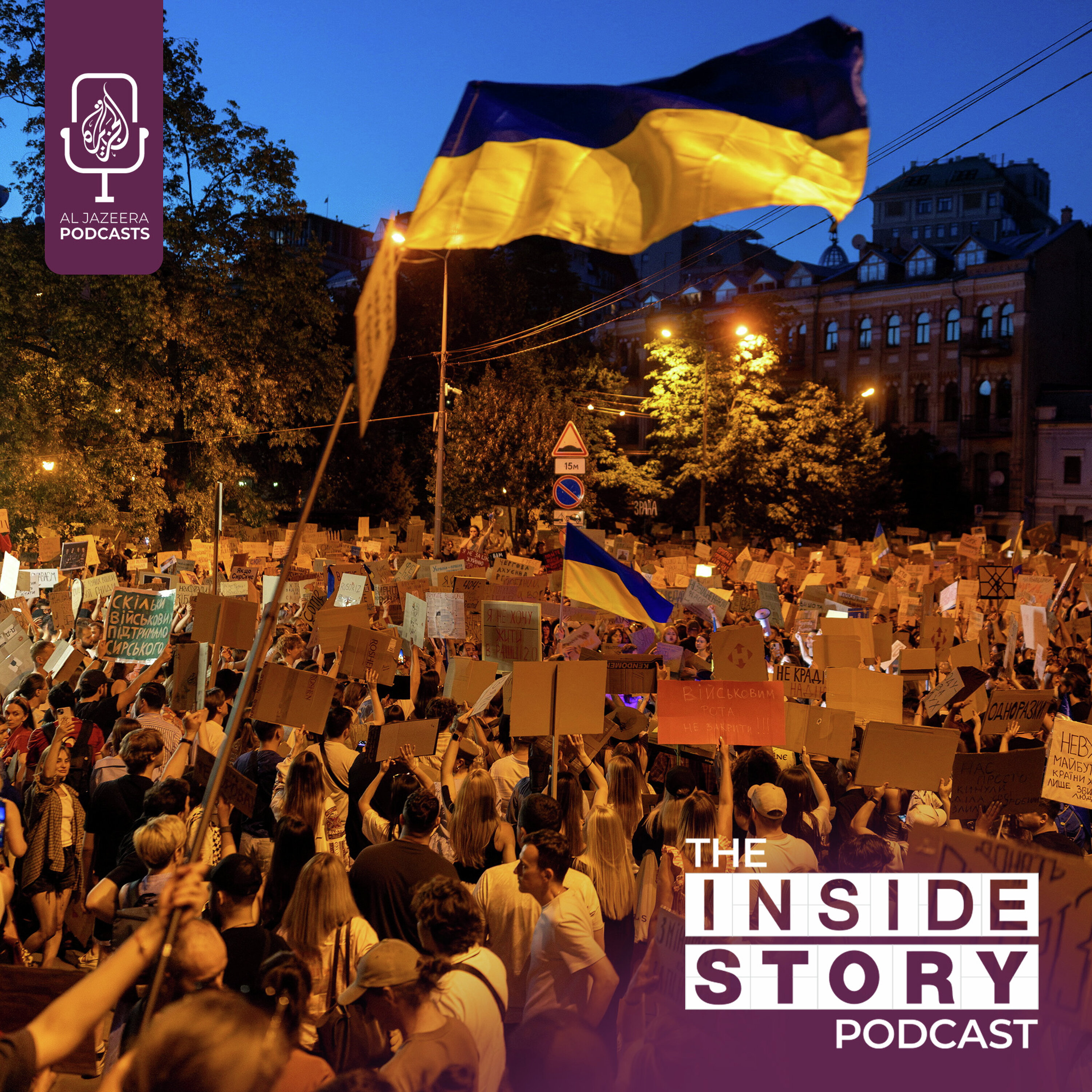
How will Zelenskyy handle the growing political crisis at home?
Ukraine hits back after Russia carries out one of its largest missile attacks of the war. At the same time, Kyiv is dealing with demonstrations and the political fallout following the dismissal of the defence minister. How will the president handle the crisis? In this episode: Olesia Horiainova, Co-founder and deputy head of the Ukrainian Security and Cooperation Center Glenn Diesen, P
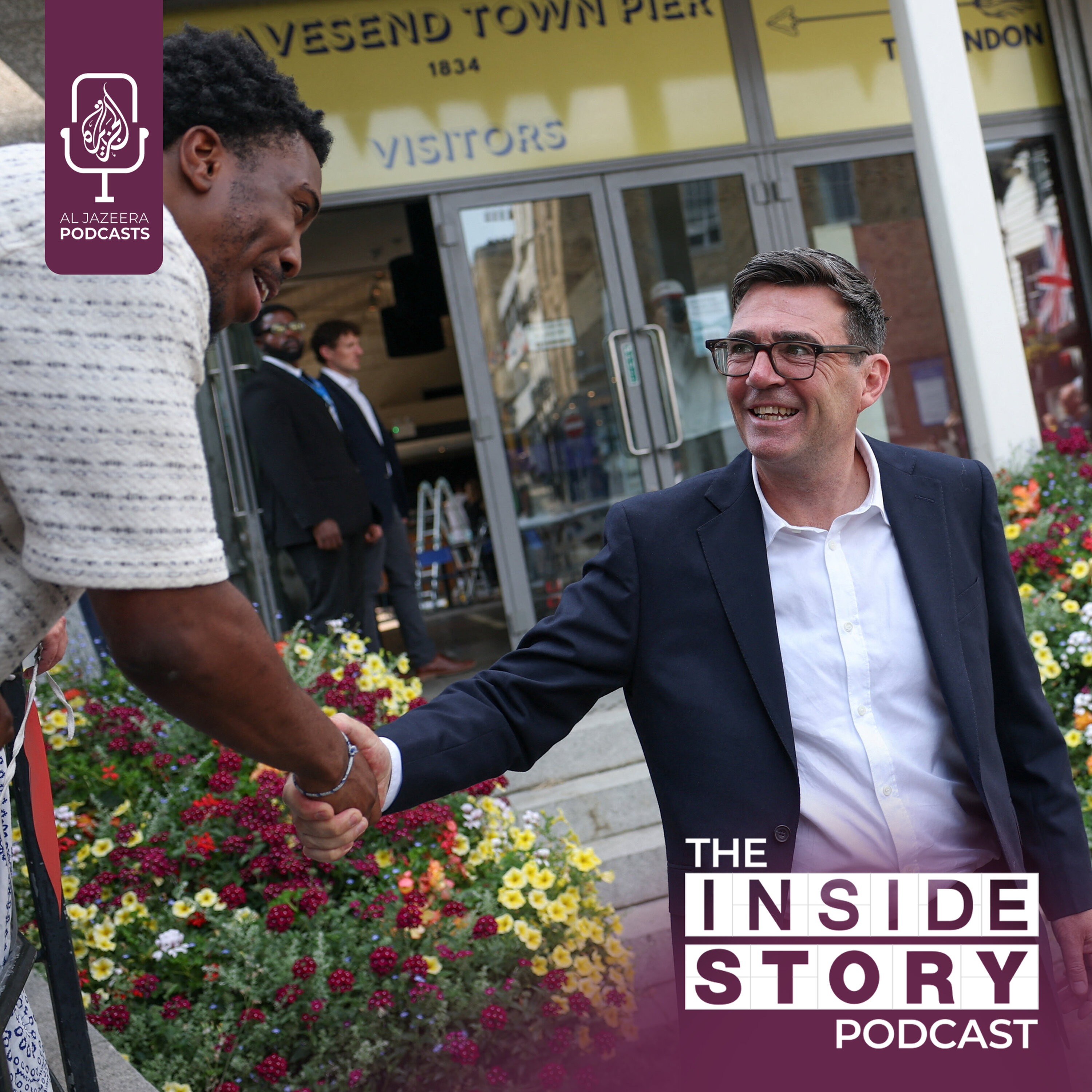
What will the appointment of Andy Burnham as the UK's new prime minister mean?
From mayor to prime minister. Labour Party leader Andy Burnham has promised to steer the UK in a new direction. He'll have to balance challenges at home with growing uncertainty abroad. So, what will his appointment mean for Britain's role and position on the international stage? In this episode: Jonathan Tonge, Professor of Politics, University of Liverpool. Laurel Rapp, Director, US
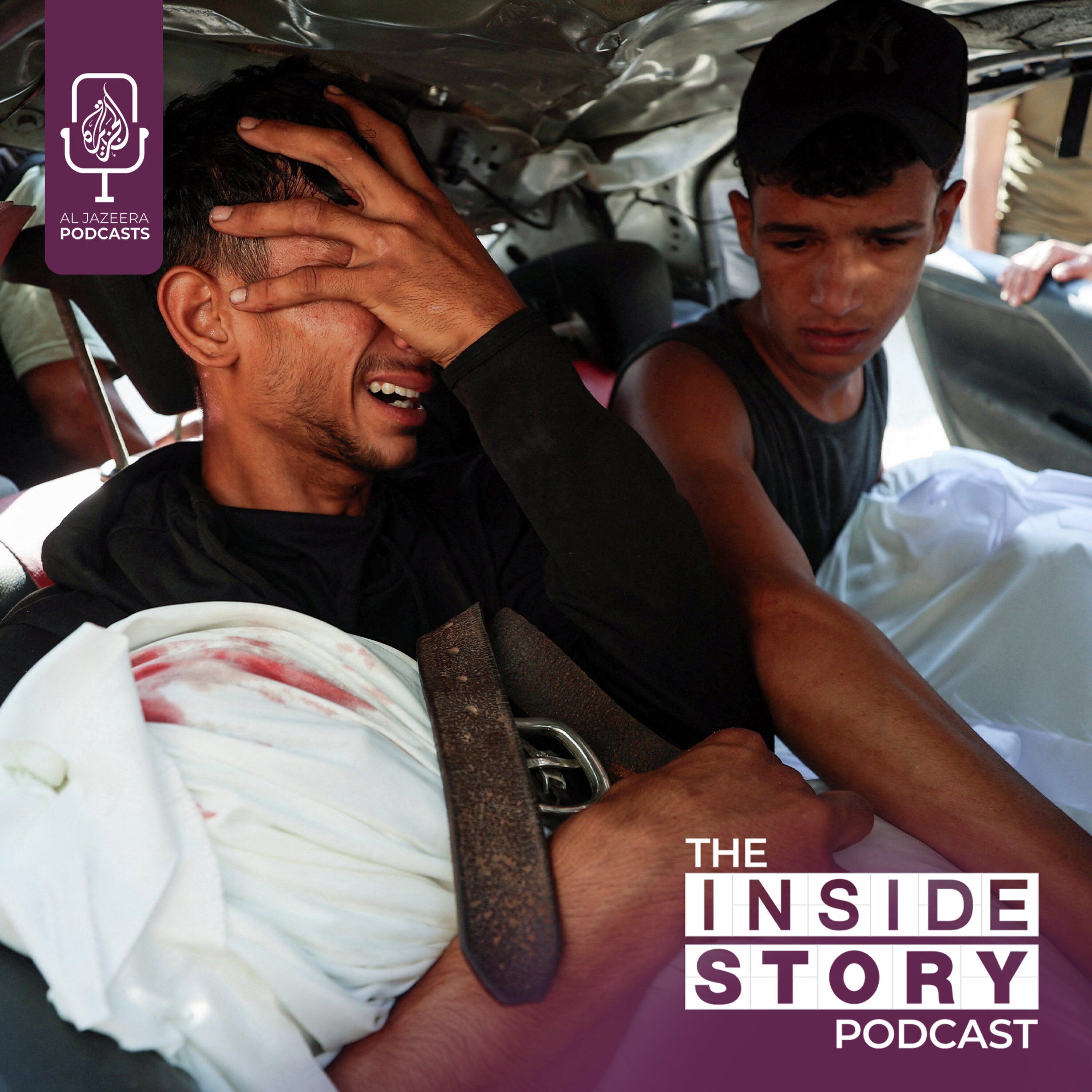
What can be done to bring the attacks in Gaza to an end?
No safety or security for Palestinians in Gaza. A truce is in place, but Israeli strikes target the Strip nearly every day. Hundreds of people have been killed since it took effect in October. So, what's the purpose of the ceasefire deal? What can be done to bring the attacks to an end? In this episode: Xavier Abu Eid - political analyst and former Communications Director for the Pales

Are countries prepared to cope with extreme weather?
Extreme weather is causing havoc across much of the world, from record-breaking heatwaves to drought, storms and floods. Scientists warn it's the new normal and that the consequences of climate change are likely to get even worse. So, how will governments cope? In this episode: Daniel Gilford, Climate Scientist at Climate Central Alexandre Borde, Environmental economist and CEO of Cib

How is the US tech industry regulated?
Apple is taking OpenAI to court. The tech giant is suing the artificial intelligence company, accusing it of stealing trade secrets. With the AI race in overdrive, firms are competing to release the latest products. But how's that competition being regulated? In this episode: R 'Ray' Wang - CEO and principal analyst of Constellation Research Nick Akerman - New York attorney and former assistant s
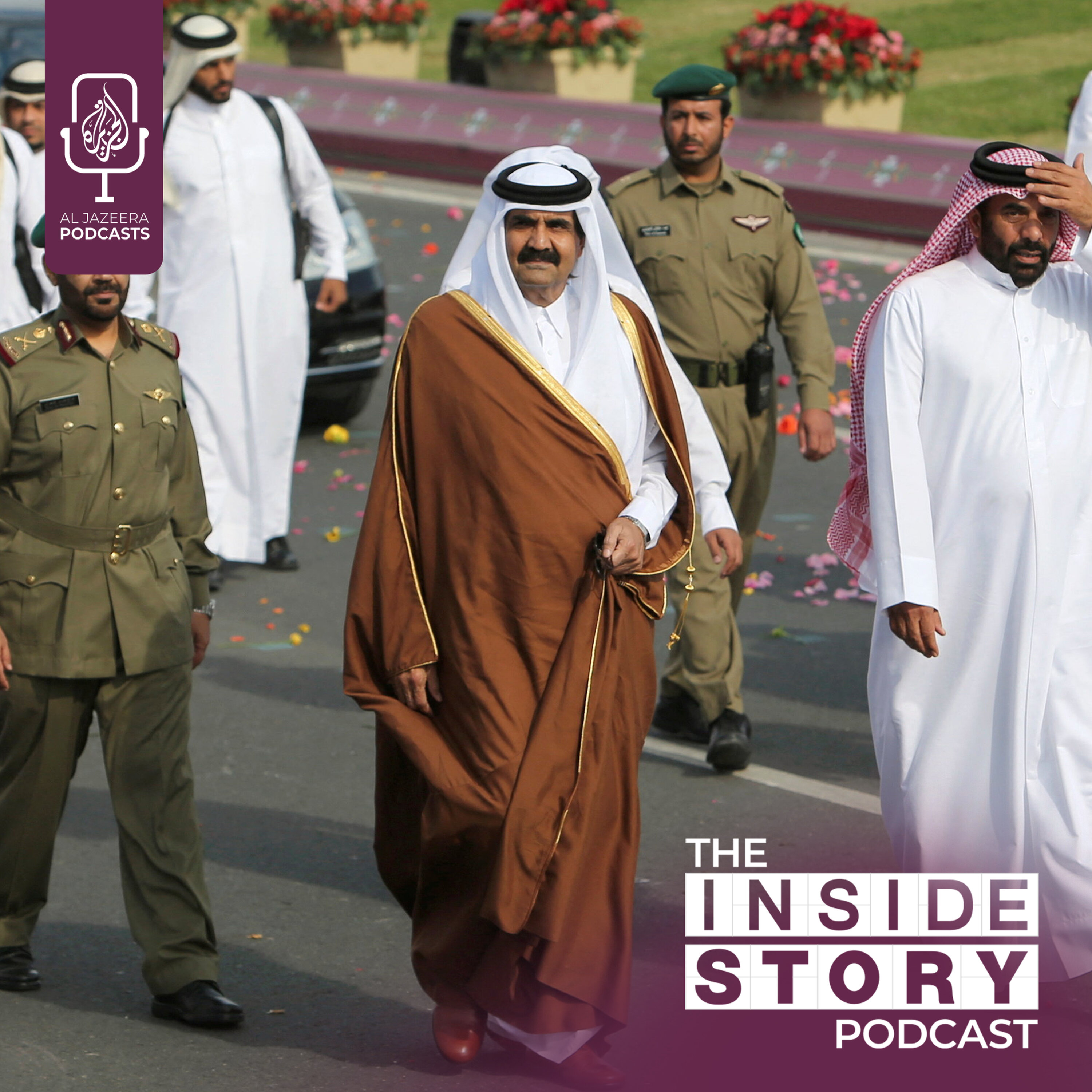
What legacy did Qatar's former Emir leave behind?
He's the man behind Qatar's rise on the international stage. Former Emir Sheikh Hamad Bin Khalifa Al Thani has died. He'll be remembered as the architect of modern Qatar. What lessons will be learned from his legacy? In this episode: Ibrahim Al Ibrahim, Former Economic Advisor, Office of the Emir of Qatar. Andreas Krieg, Associate Professor, School of Security Studies, King's
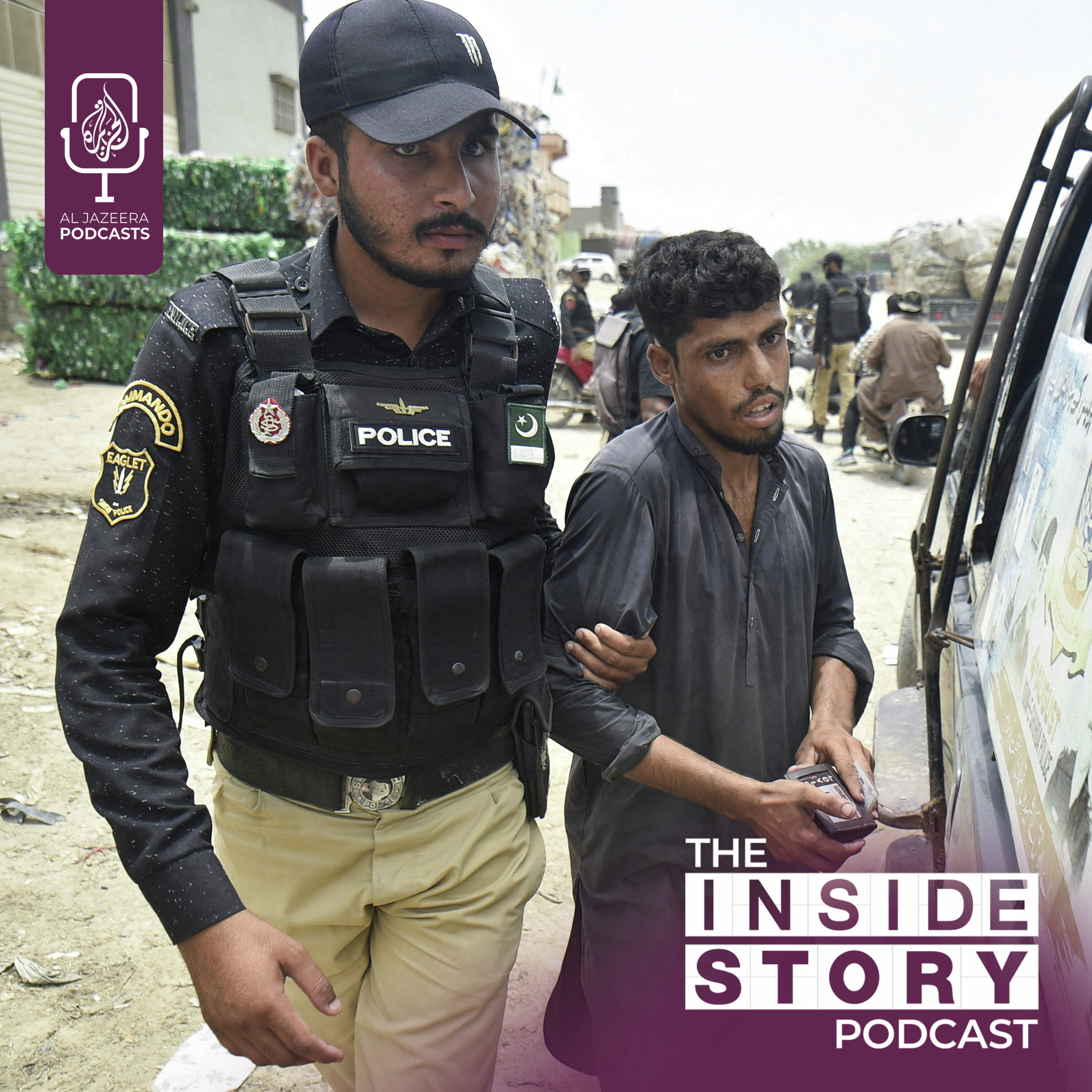
Why is Pakistan deporting thousands of Afghan migrants?
Pakistan carries out another wave of deportations of thousands of Afghan migrants and refugees.It cites national security concerns. But is politics involved in the rising tension between the neighbours? And how is Kabul dealing with the influx of returnees? In this episode: Arafat Jamal - Representative of the UN High Commissioner for Refugees in Afghanistan Obaidullah Bahee
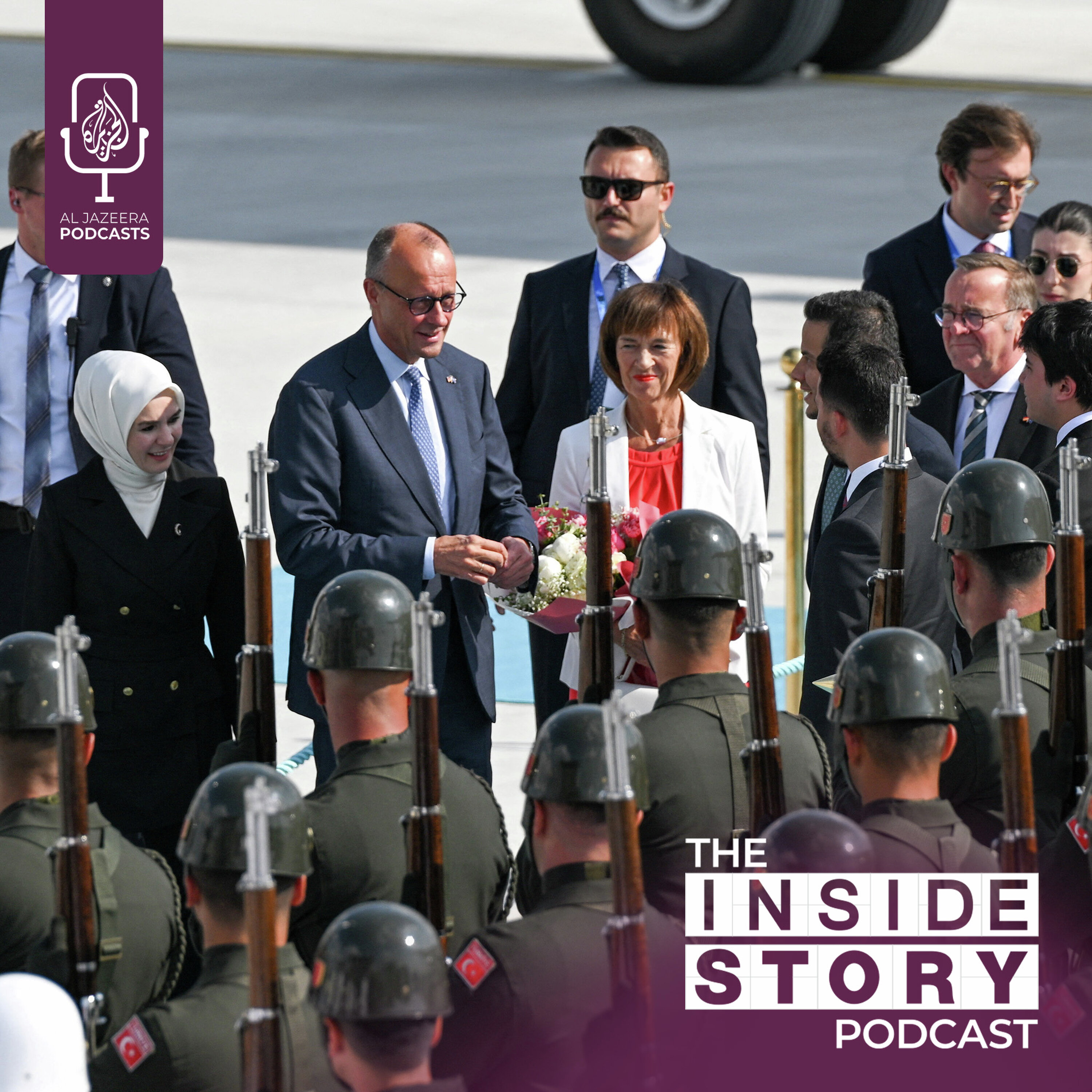
Will NATO member states get involved in securing the Strait of Hormuz?
This year's NATO summit in Turkiye is overshadowed by the Iran war. The U.S. wants allies to help it protect shipping in the vital waterway, but what are the risks? In this episode: David Des Roches, Professor at Thayer Marshall Institute and former NATO Operations Director Alam Saleh, Senior Lecturer of Iranian Studies at Australian National University Patrick Bury, Defense and
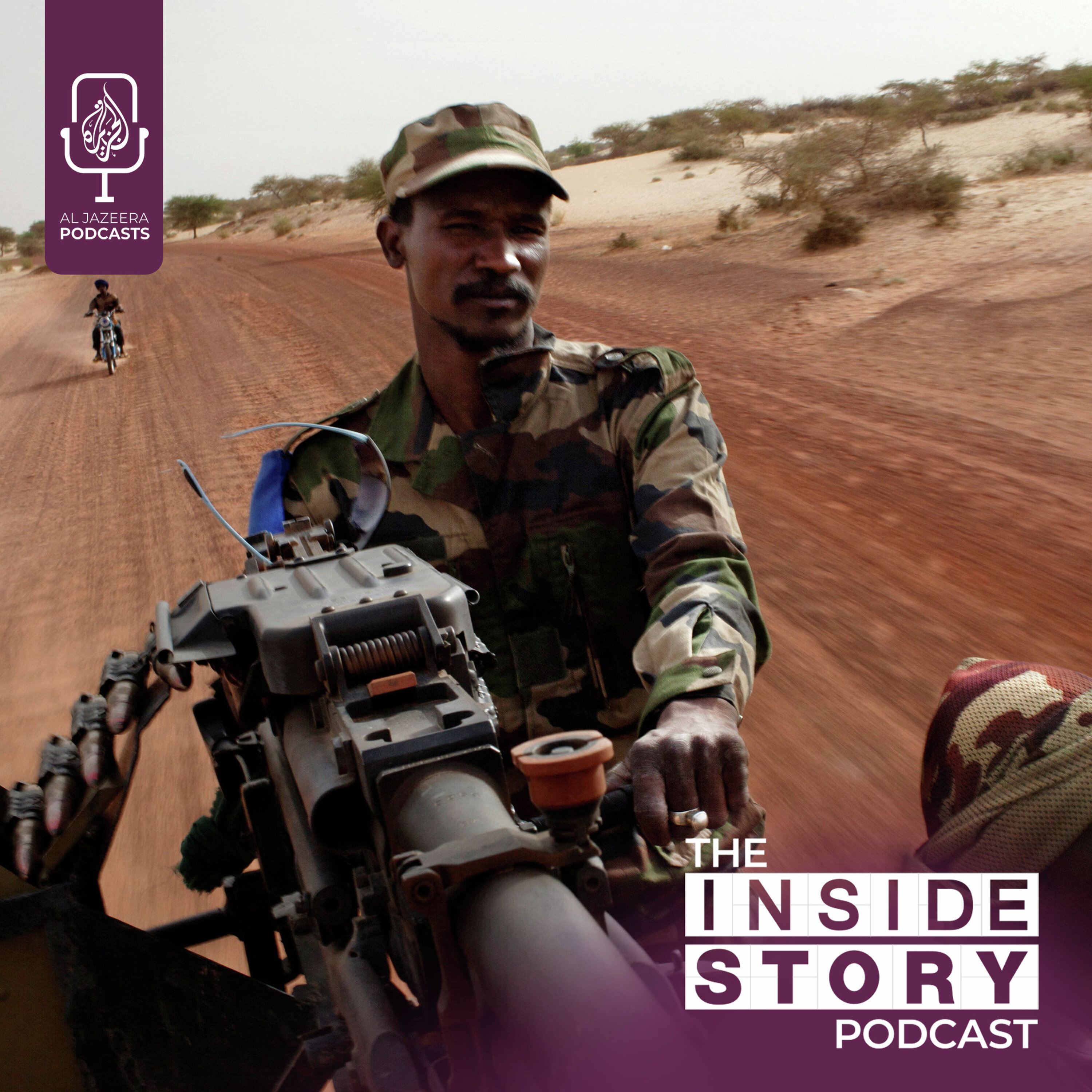
How will Mali's junta respond to growing rebel attacks?
Mounting violence in Mali. A coalition of rebels and armed groups has carried out another series of assaults, highlighting the military government's failure to contain the attacks. With the junta under increasing pressure, how will it address this growing security threat? In this episode: Kabir Adamu, Managing Director, Beacon Security and Intelligence Nadina Ronc, independent geo
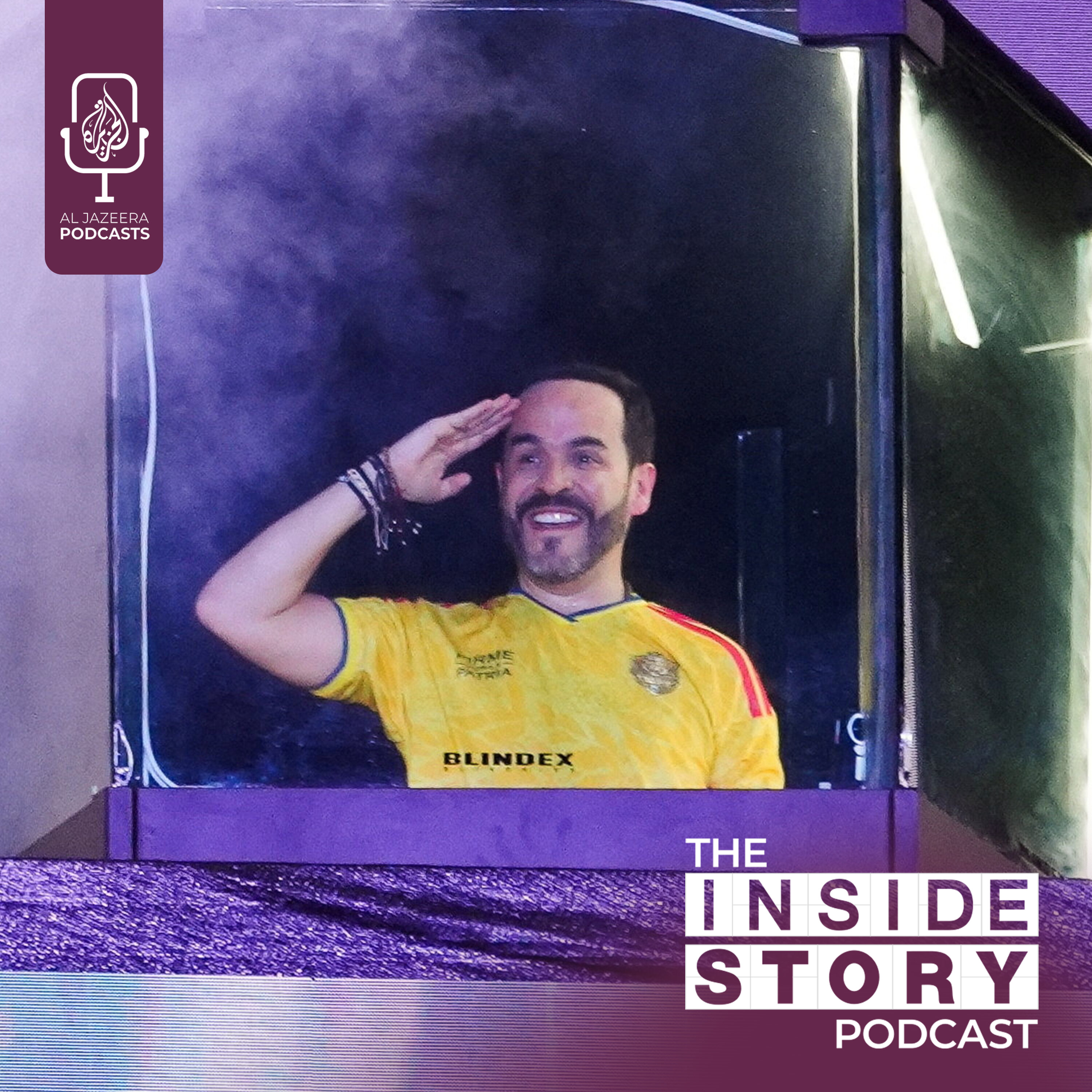
What are the implications of right-wing populism across Latin America?
Promising to crack down on crime and promoting strong ties with President Trump - right-wing populists are winning elections across Latin America. Is this a passing phase coming out of voters' economic and safety concerns or a lasting shift? And will this tie the region more to the United States? In this episode: Jose Ragas, Historian and Assistant Professor, Catholic University of Chile.&n
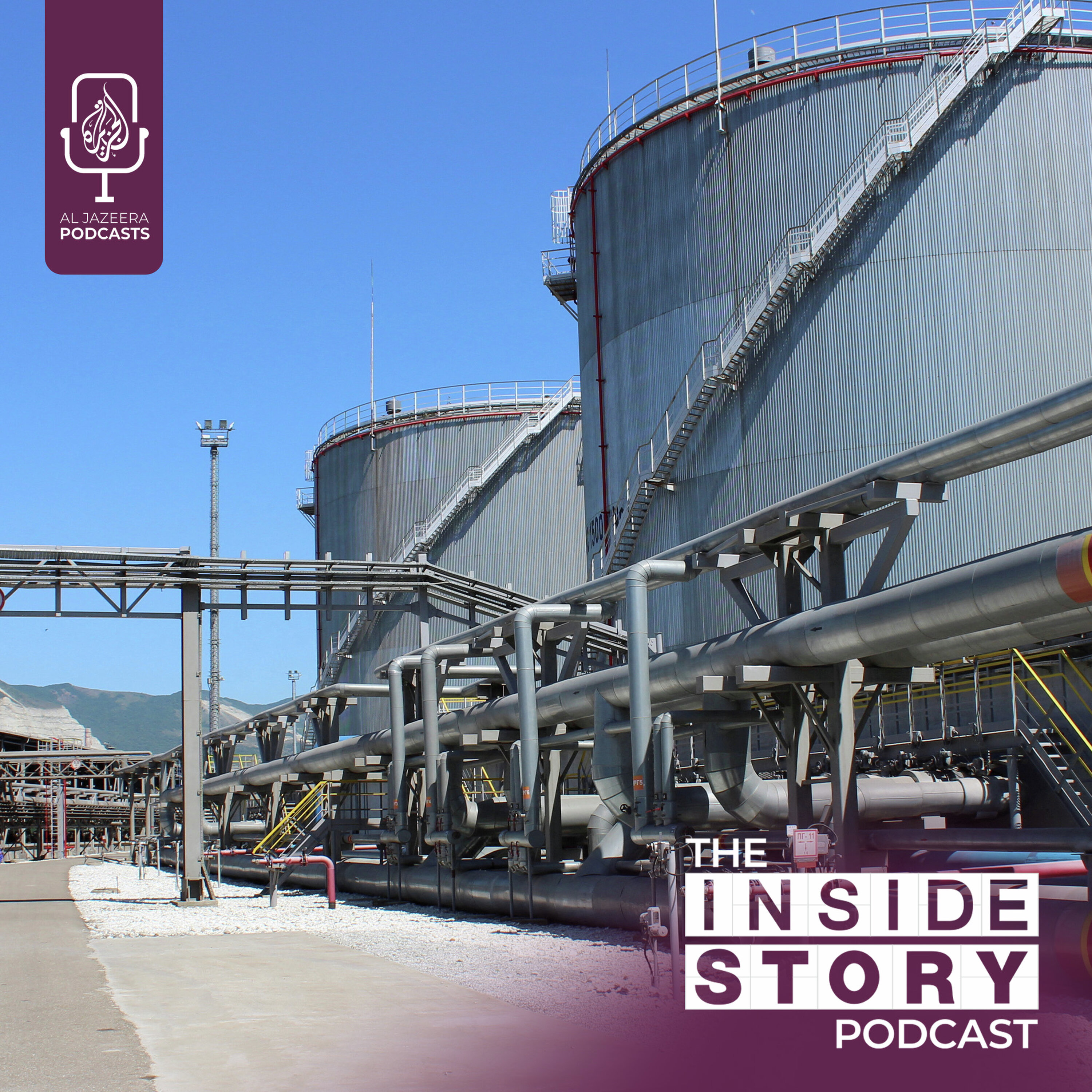
How did Ukrainian strikes cause a fuel crisis in Russia?
Long lines at petrol stations in one of the world's largest energy producers. Relentless Ukrainian strikes have caused a fuel crisis in Russia. Will economic pressure turn into a political problem for President Vladimir Putin - and move the Kremlin towards talks with Kyiv? In this episode: Alexander Bratersky - Political Analyst and an Independent Journalist. Oleksiy Gonchar
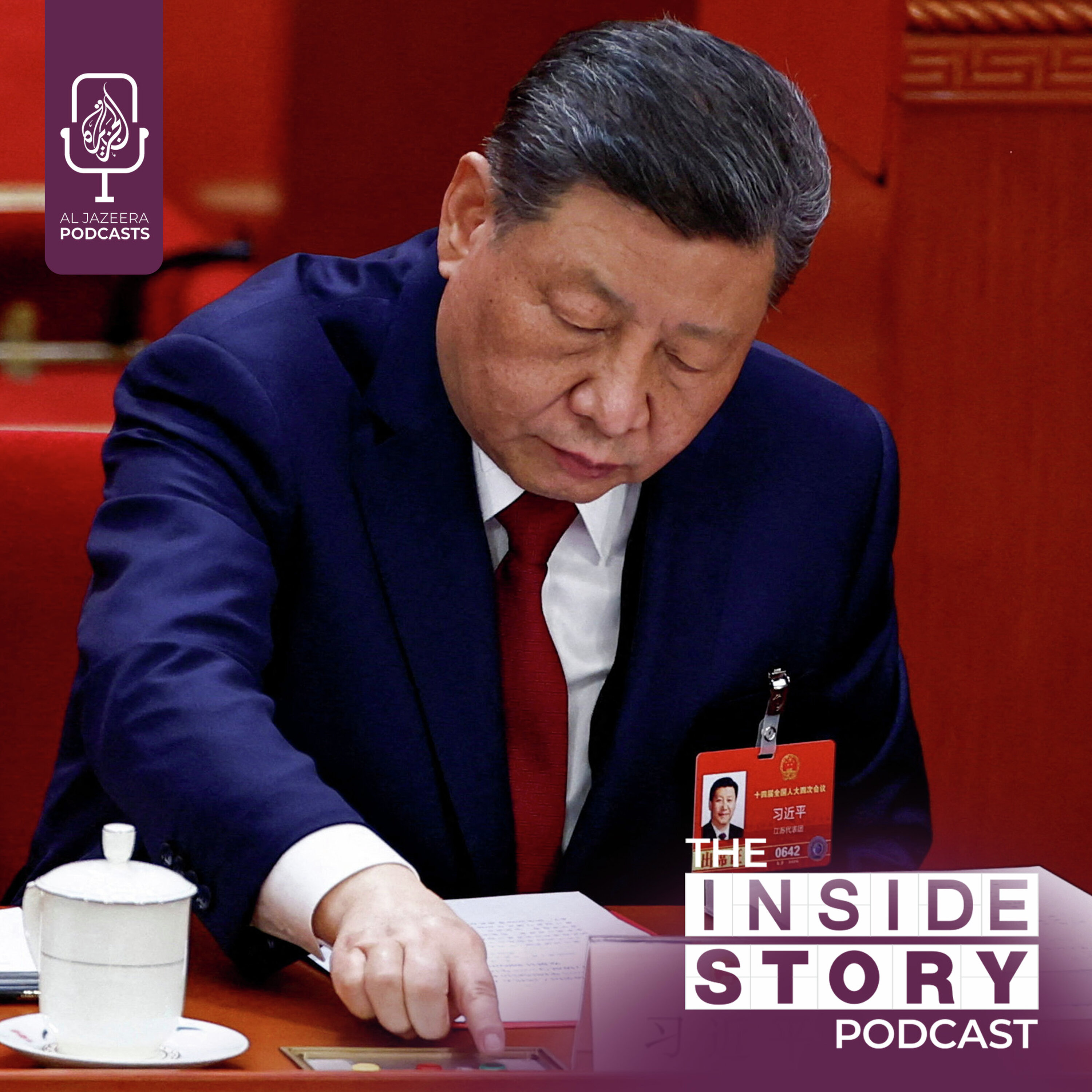
Is China's new ethnic unity law a step towards forced assimilation?
China's new ethnic unity law has come into effect. Rights groups and activists overseas say it will further shrink the rights of minorities. Will the law help forge a shared national identity, as Beijing says? Or is it a step towards forced assimilation? In this episode: Einar Tangen, Senior Fellow, Centre for International Governance Innovation Zumretay Arkin, Vice President, World Uyghur
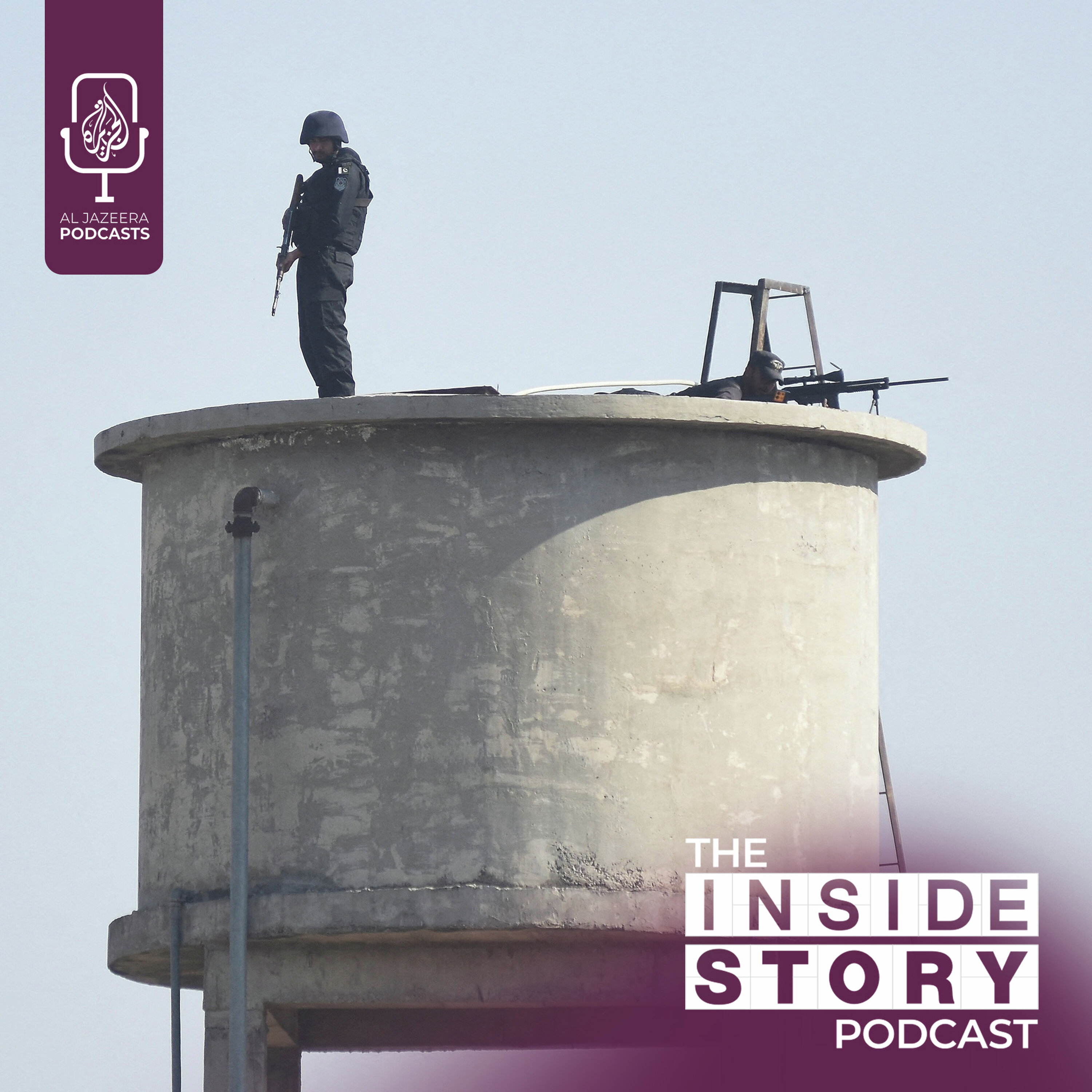
Could water become a flashpoint between Islamabad and New Delhi?
Pakistan has said India's suspension of a decades-old treaty could amount to an act of war. And tensions between the two are already high. So, how could they avoid a further escalation? In this episode: Siddharth Varadarajan, founding editor of the independent investigative news organisation, The Wire Michael Kugelman, Senior Fellow for South Asia at the Atlantic Council Zeeshan Salahu
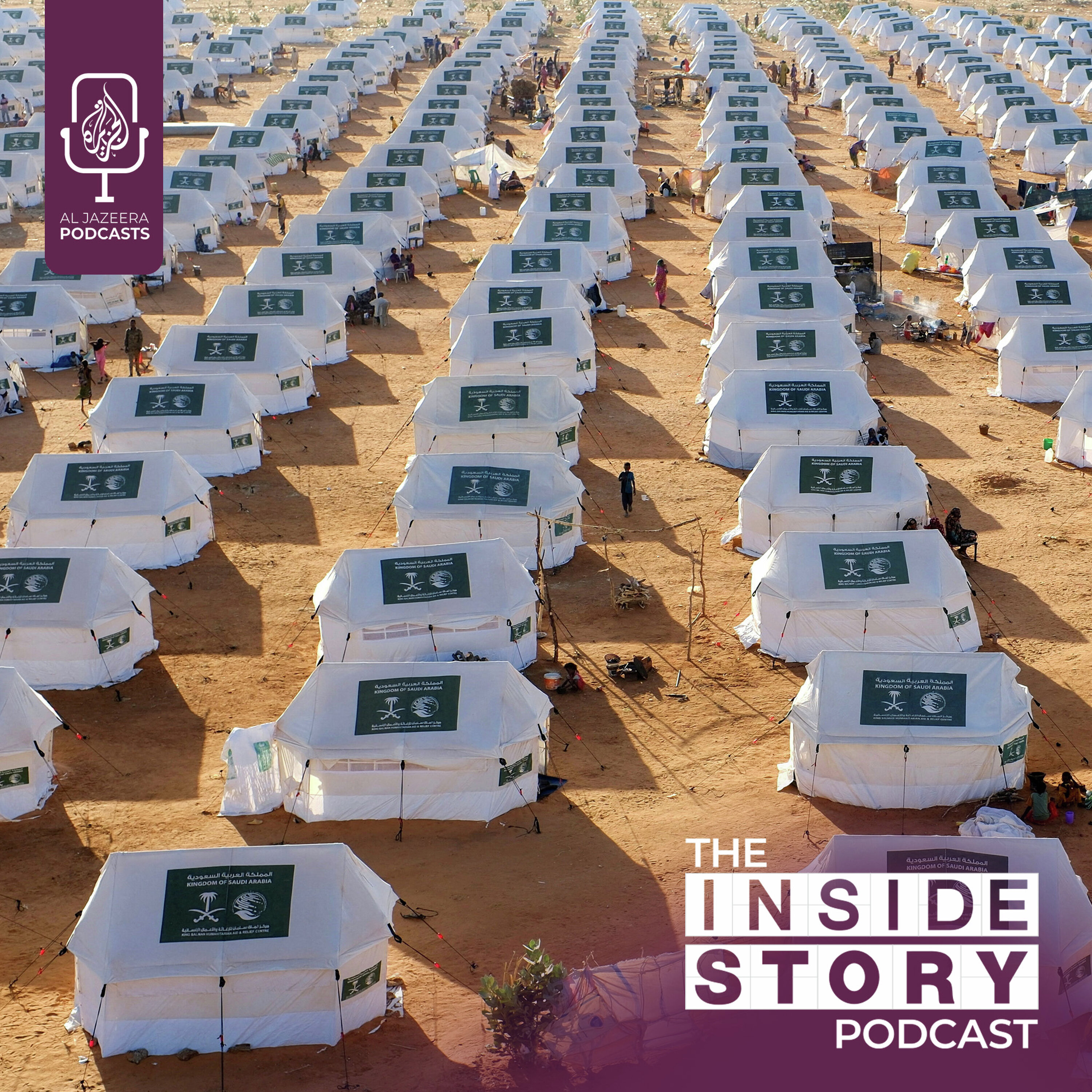
Why are Sudan's Rapid Support Forces battling for control of el-Obeid?
The Rapid Support Forces are trying to seize the strategic southern city of el-Obeid from the Sudanese military. Rights groups are warning of a potential humanitarian catastrophe. But why is the battle to control the city so important? In this episode: Ali Mahmoud Ali, Sudan Researcher with the Armed Conflict, Location & Event Data project Kholood Khair, Founding Director of Confluence
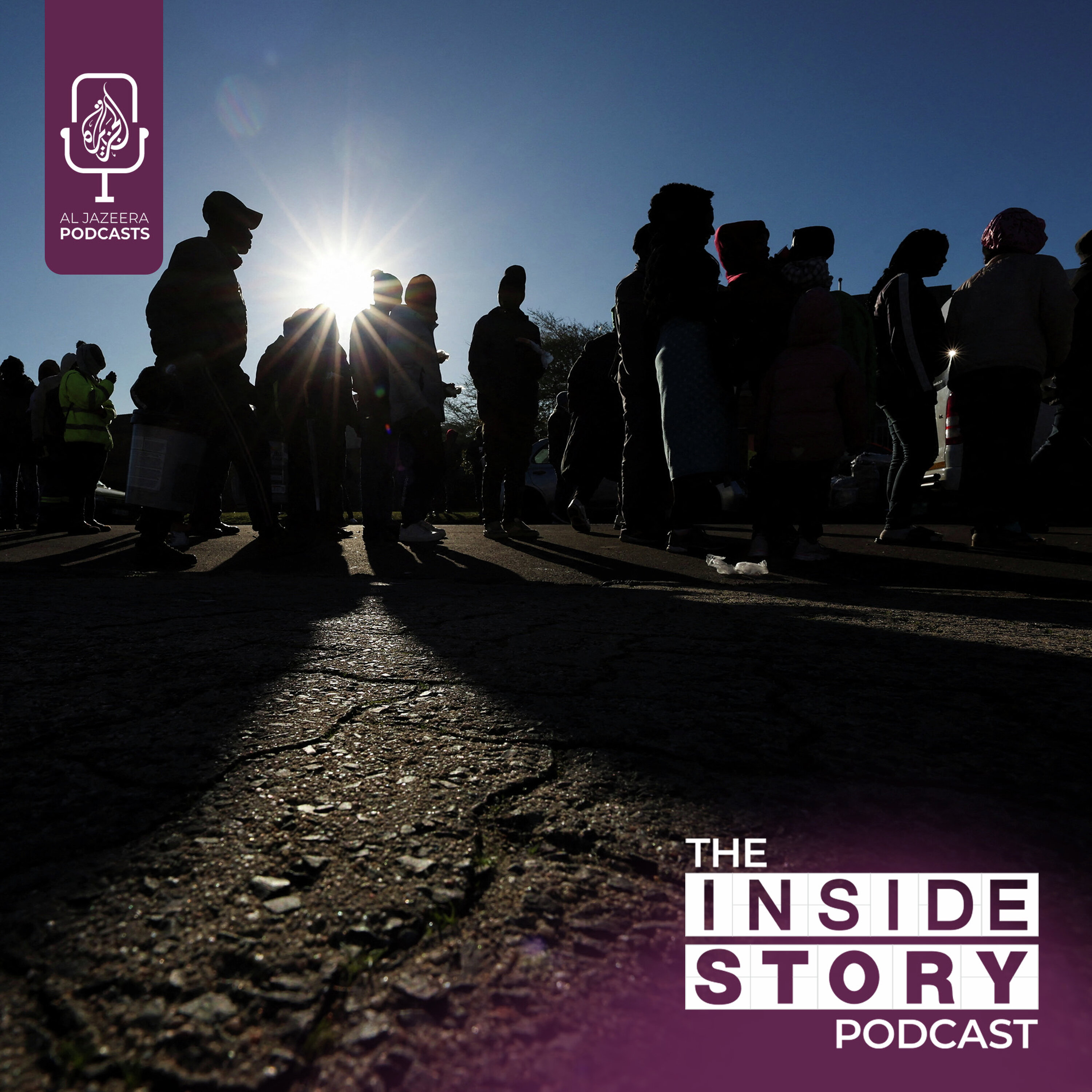
How is South Africa dealing with immigration?
A June 30th deadline set by anti-migrant groups for undocumented foreigners to leave, has come and gone. Thousands protested across the country, against what they say is a broken immigration system. So, what's driving this debate? And what are the political, economic and diplomatic costs? In this episode: William Gumede, Associate Professor at the University of the Witwatersrand Nomvula Mok
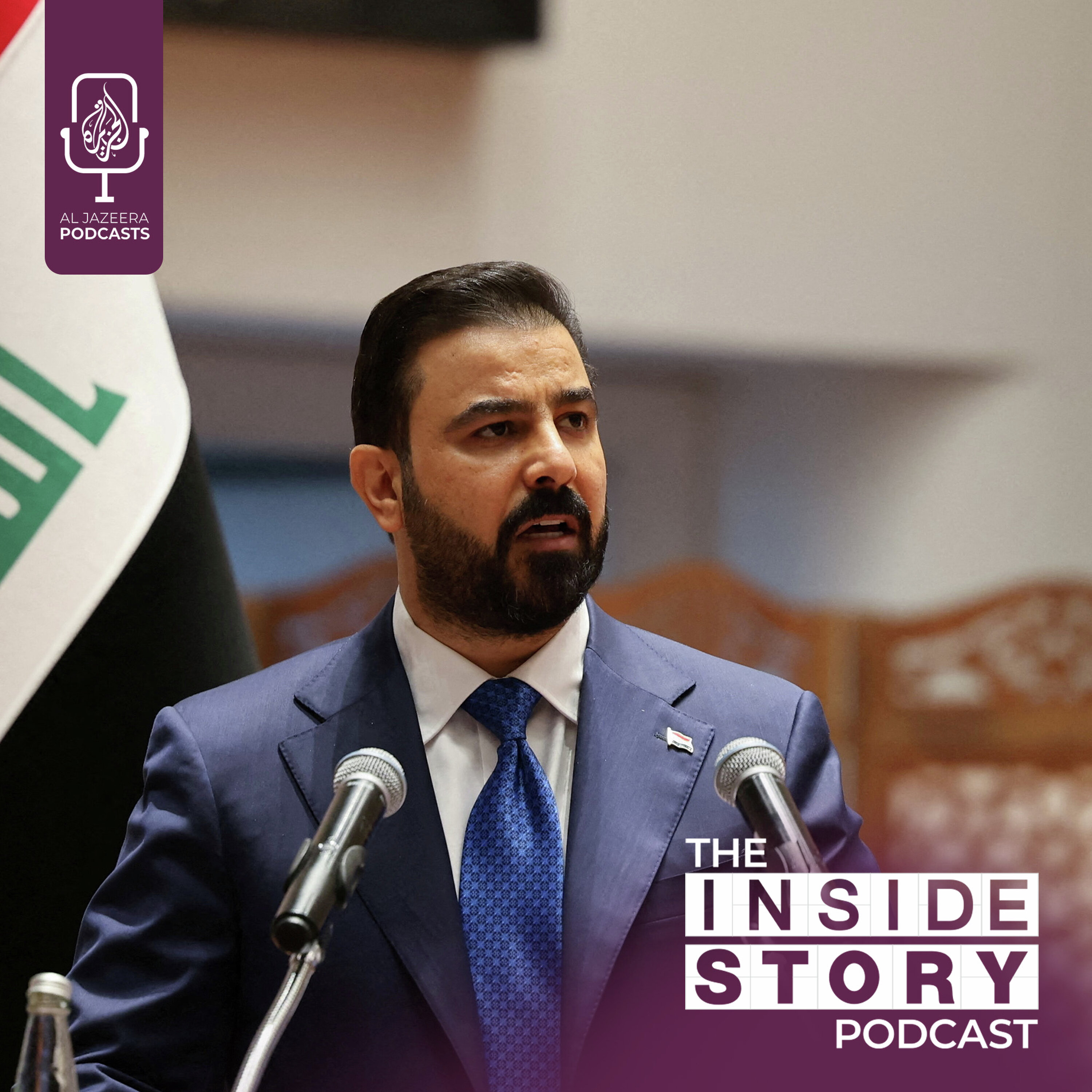
How far will Iraq's new government go to crack down on corruption?
Several senior politicians have been detained in a wave of arrests. The government says it's just the beginning. But is this about graft, or is politics involved? In this episode: Ahmed Rushdi, President of the think-tank, House of Iraqi Expertise Foundation Renad Mansour, Deputy Director of the Middle East and North Africa Programme at Chatham House Manuel Pirino, Regional Advisor for Middle Eas
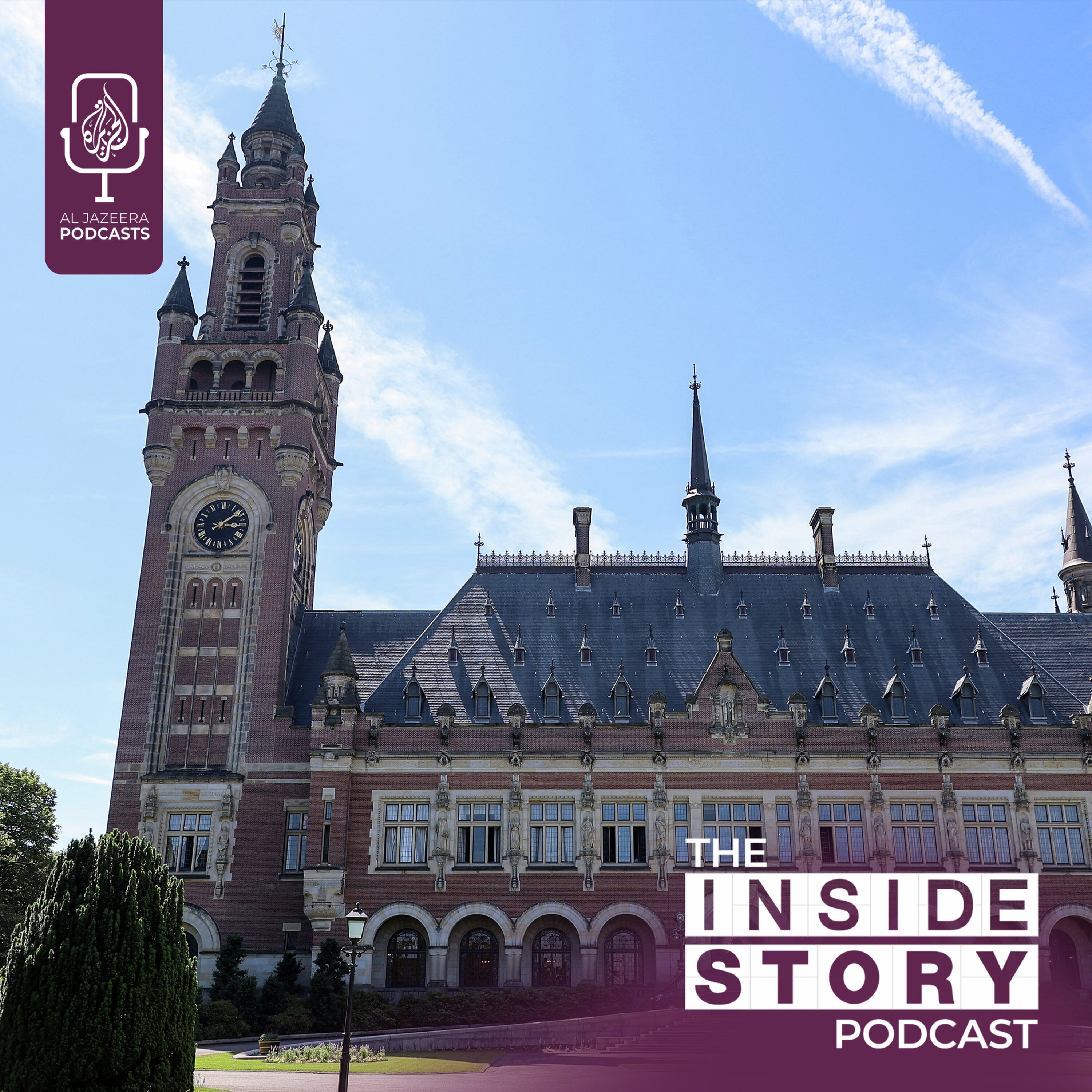
Can the International Court of Justice help end the conflict in eastern DRC?
The Democratic Republic of Congo takes Rwanda to the International Court of Justice. Kinshasa seeks to hold Kigali responsible for the war in the eastern DRC. But can international law help end one of Africa's longest running conflicts? In this episode: Demas Kiprono, Executive Director at the International Commission of Jurists, Kenya. Kambale Musavuli, Analyst at the Center for
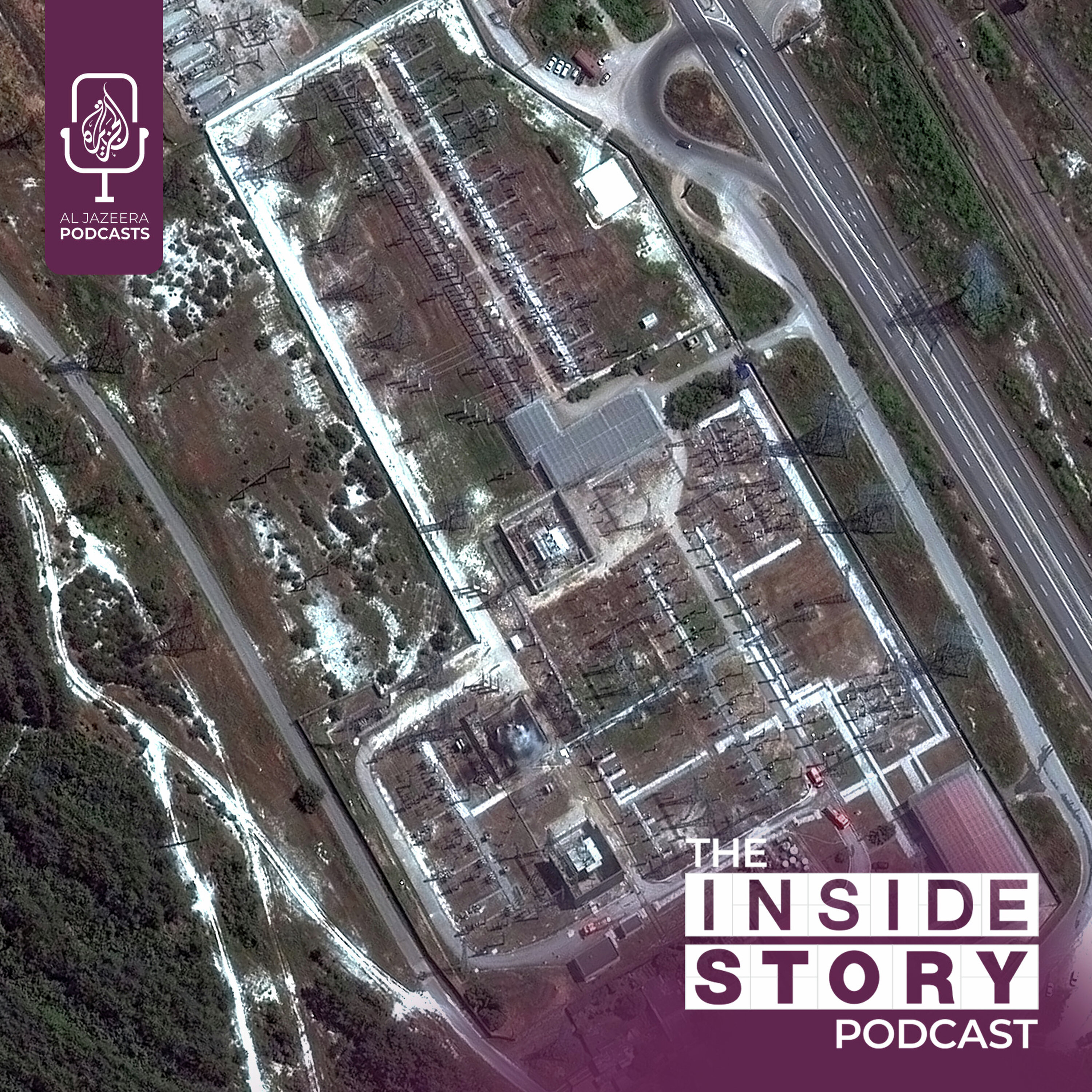
Why is Crimea so critical to the Russia-Ukraine conflict?
Crimea under a state of emergency. The move comes as Ukraine intensifies attacks on the Russian-controlled region. Kyiv says its aim is to press Moscow to end the war. But is that realistic? And why is Crimea so critical to the wider conflict? In this episode: Leonid Ragozin, independent journalist who focuses on Russia, Ukraine and Eastern Europe. Yulia Kazdobina, Se
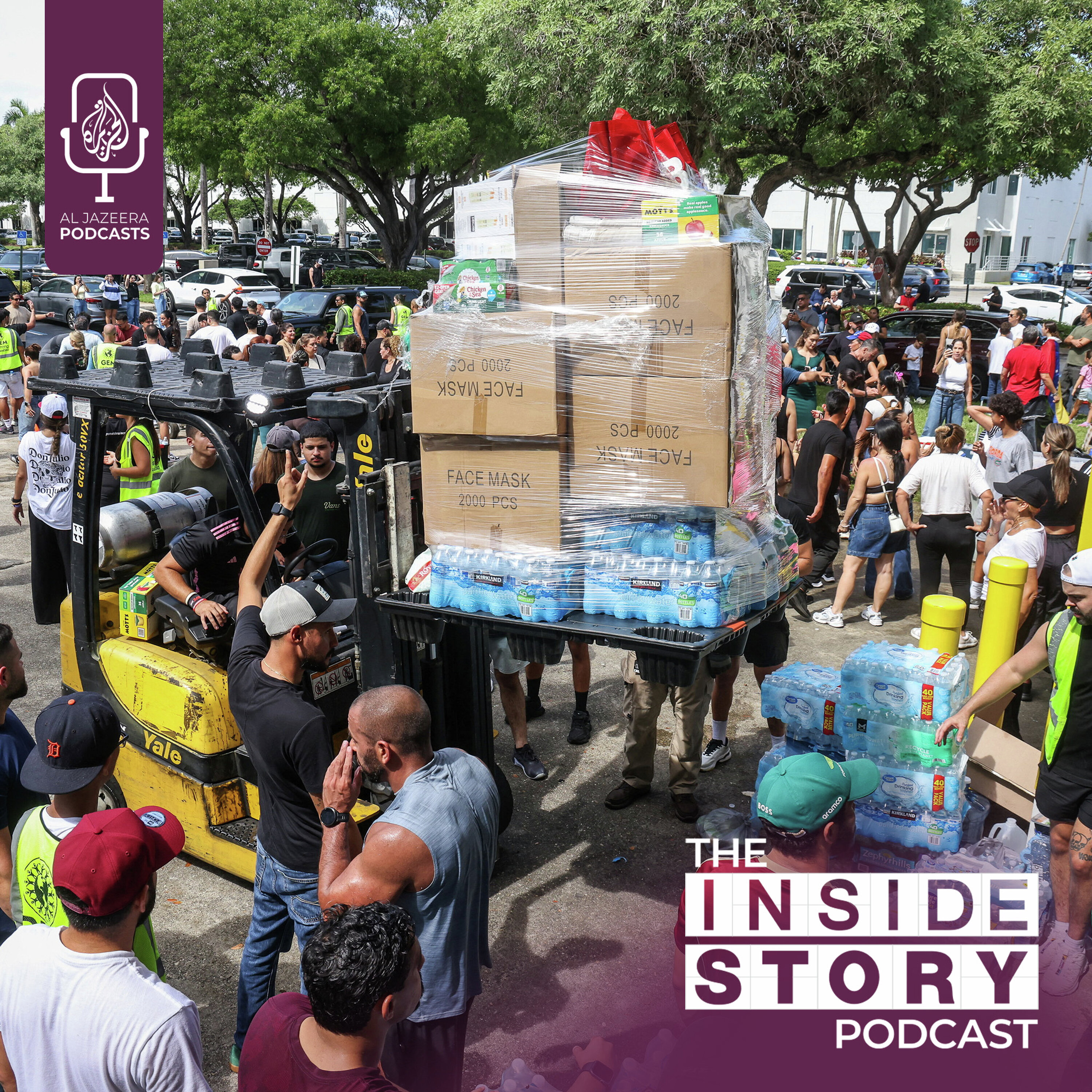
How much disaster aid will the US provide to Venezuela?
Death and destruction after two powerful earthquakes struck Venezuela. The disaster comes just months after U.S. forces abducted the former president. So, how may that impact the flow of aid from Washington? And what kind of politics are at play? In this episode: Jan Eagland, secretary general of the Norwegian Refugee Council Chris Gilbert, Professor at the Bolivarian Univers
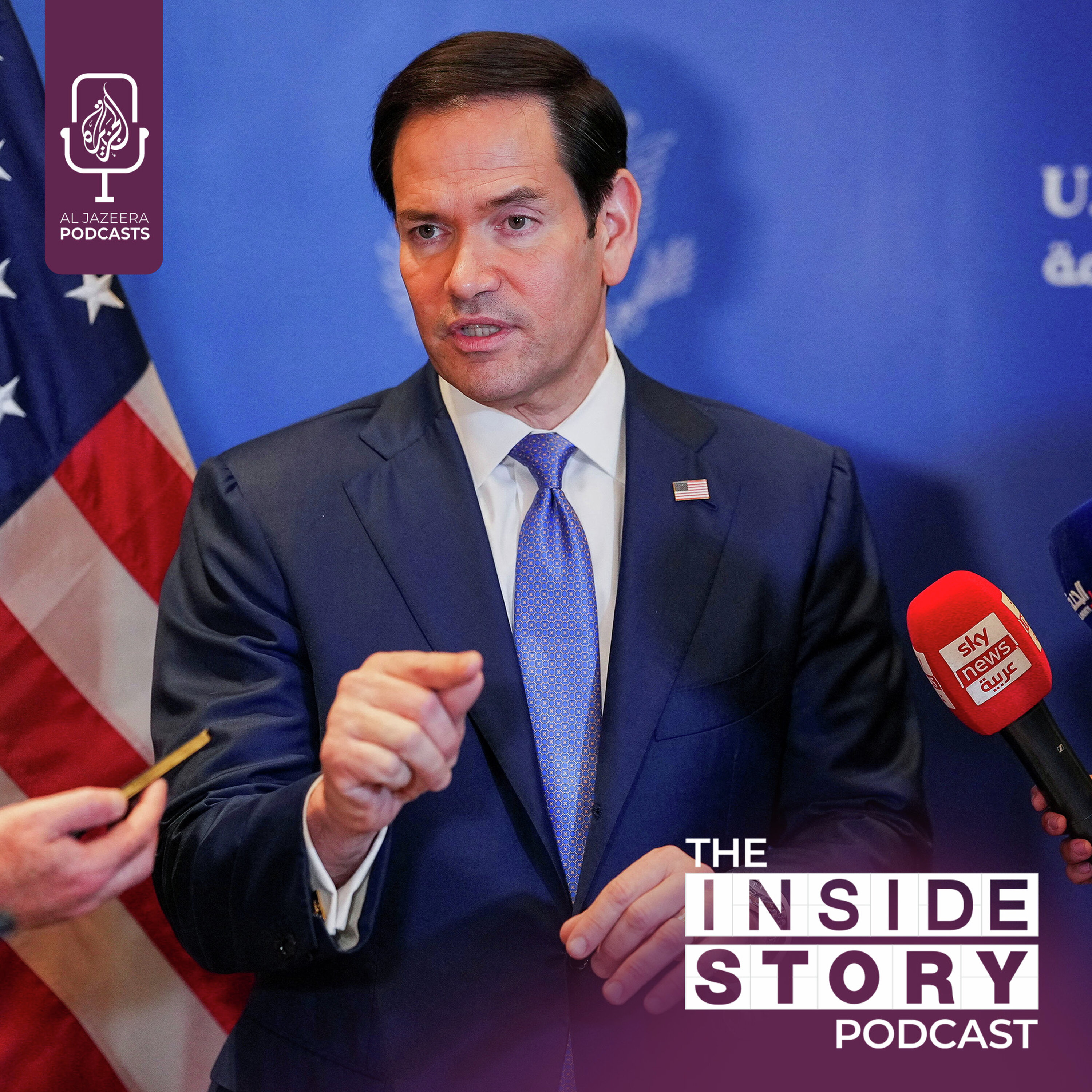
Has Marco Rubio's tour of the Gulf reassured US allies?
US Secretary of State Marco Rubio has wrapped up his three-day tour of the Gulf. Regional states want a greater say in security--after coming under attack during the Iran war. So, can Washington rebuild trust with its regional allies? And will Gulf states be able to steer the future of the Strait of Hormuz? In this episode: Abdulla Banndar Al Etaibi, Assistant Professor of International Rel
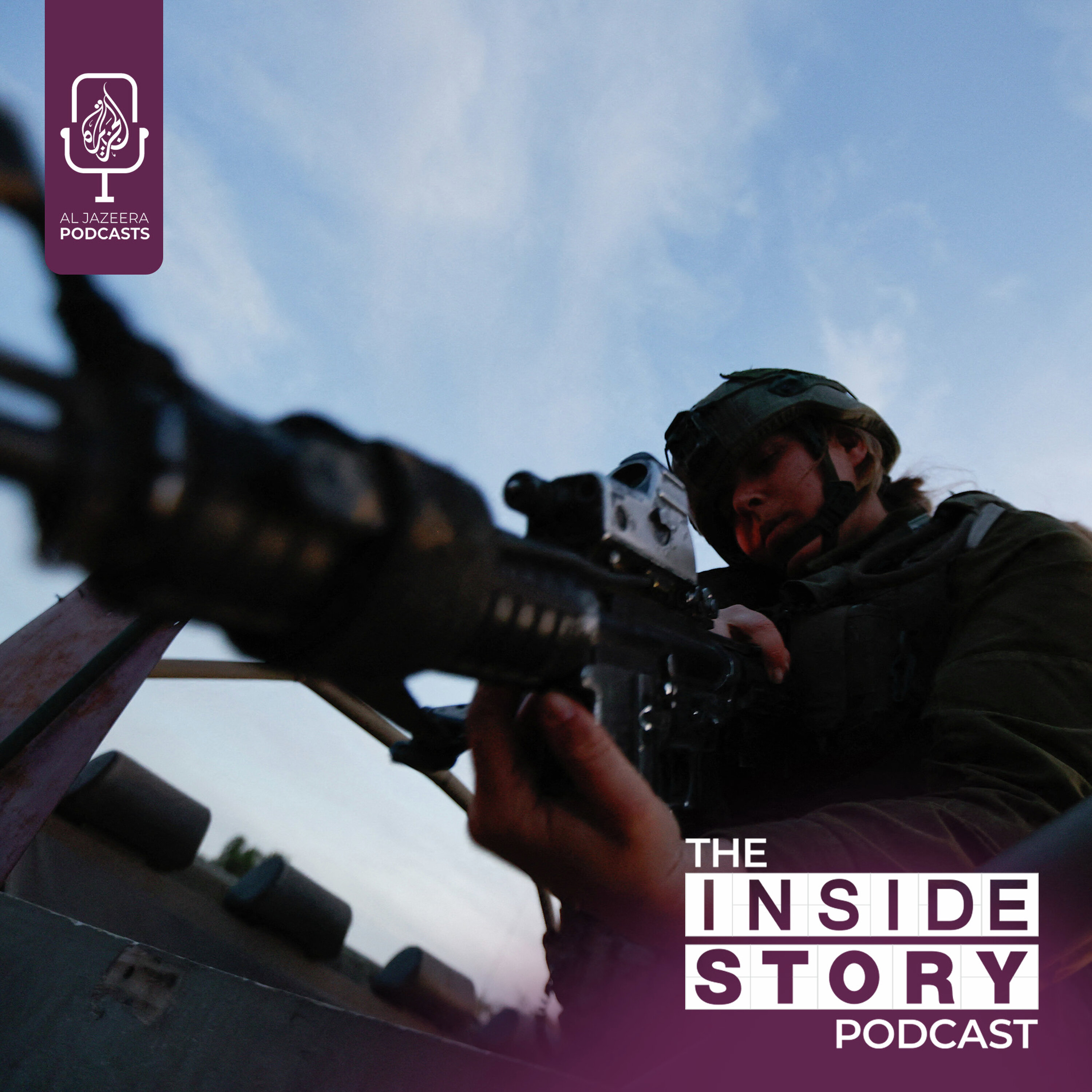
Why does Israel want to be less dependent on US weapons?
Benjamin Netanyahu says he's grateful to the US for its military aid but that it's time for Israel to build its own weapons-production capacity. The Israeli prime minister's announcement comes as tensions grow over the US agreement with Iran. But demand soars for Israel's weapons — its arms exports hit a record $19 billion last year. Supporters say that it strengthens Israel's ability to sta
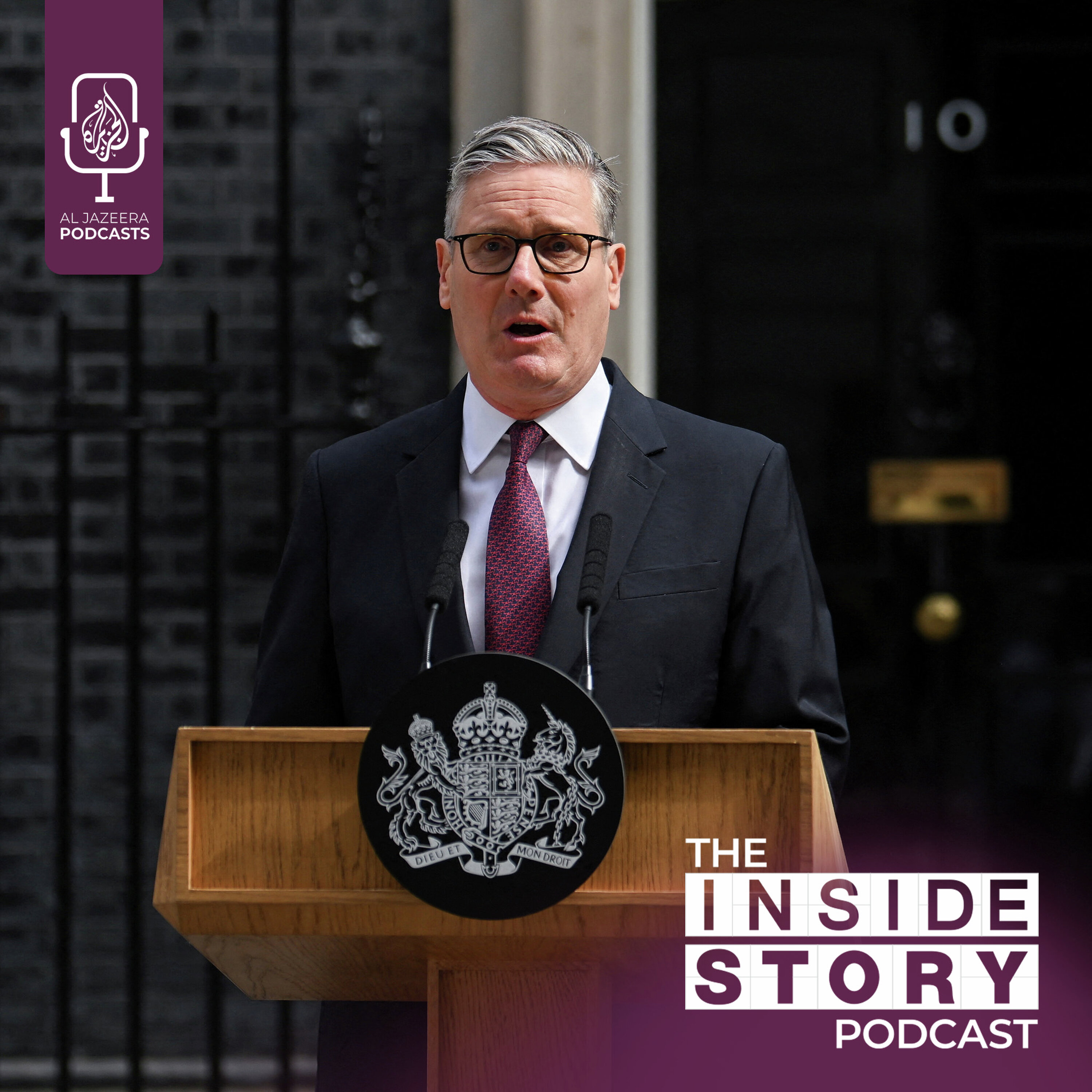
Why do the UK's prime ministers keep resigning?
Keir Starmer is the latest to step down, after nearly two years in office. He'd been expected to put an end to the political chaos. So, what went wrong? And what does it mean for the future of the UK? In this episode: Jennifer Nadel, Co-Founder of the cross-party think tank Compassion in Politics. Tim Bale, Professor of Politics at Queen Mary University of London. Zaid M Belb
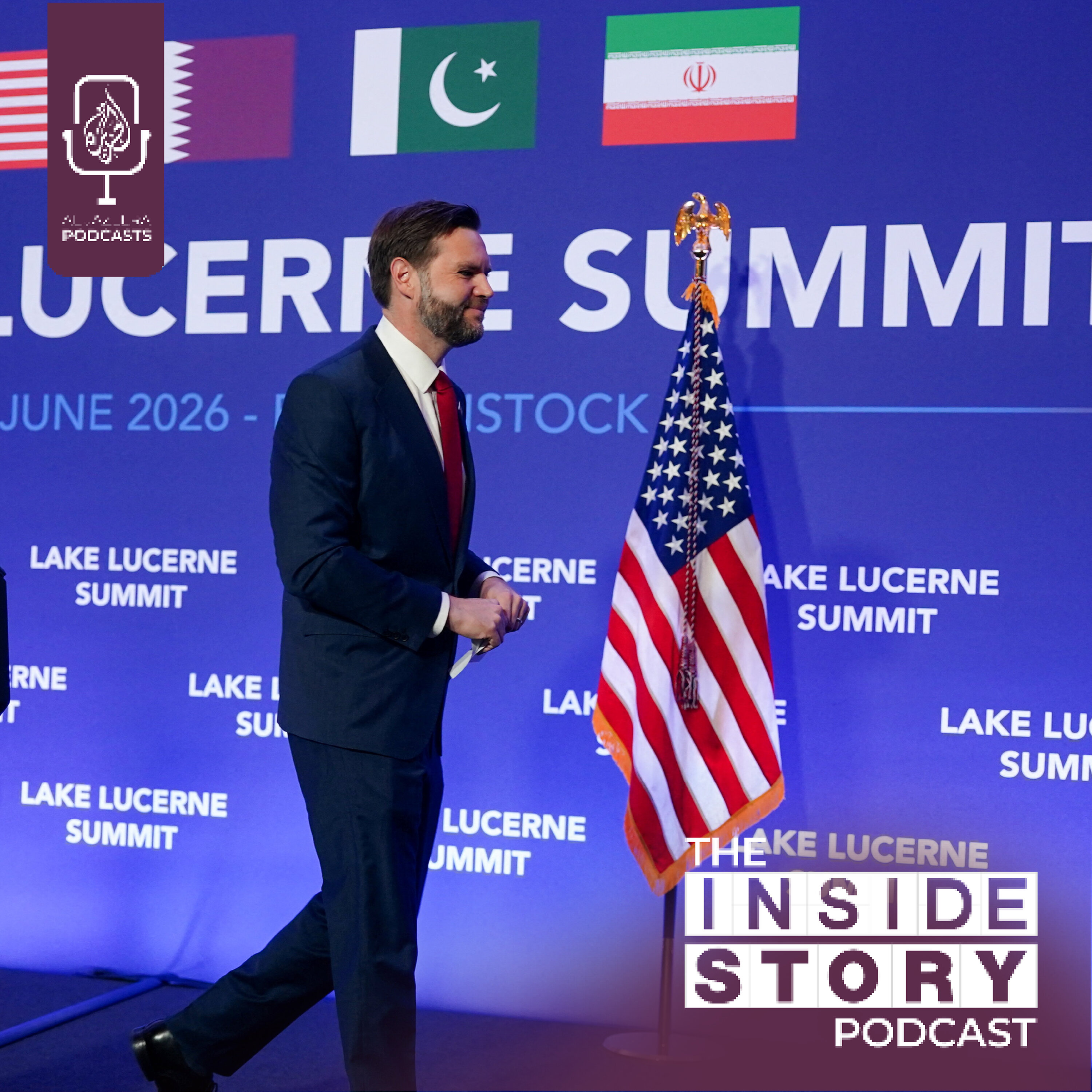
Can the US and Iran turn the ceasefire into a permanent peace?
The US and Iran have finished the first round of talks with an agreement on a roadmap to a final deal. But is there enough trust to end the conflict? In this episode: Mohammad Eslami - Research Fellow at Tehran University. Kenneth Katzman - Senior Fellow at The Soufan Center. Zeidon Alkinani - Founding Director at the Arab Perspectives Institute. Host: Anna Burns-Francis&
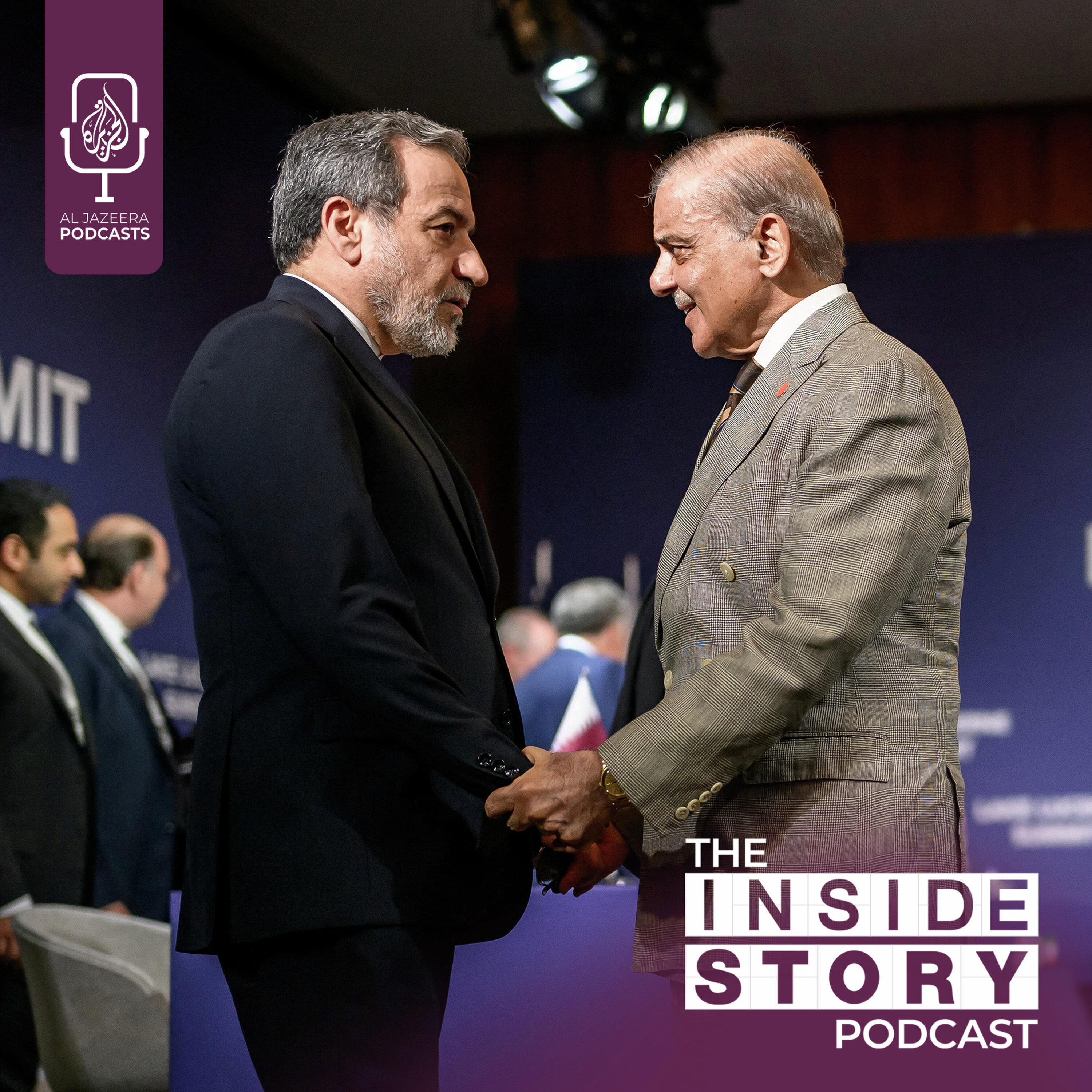
Strait of Hormuz closed again: What happens next?
Iranian armed forces say they've closed the Strait of Hormuz after Israeli attacks on Lebanon, just days after an agreement with the U.S. reopen it. Disruption to the crucial waterway has had a huge economic impact worldwide. So, what happens next? In this episode: Ian Ralby - Senior Fellow at the Center for Maritime Strategy and Associate Fellow with the International Law Programme a
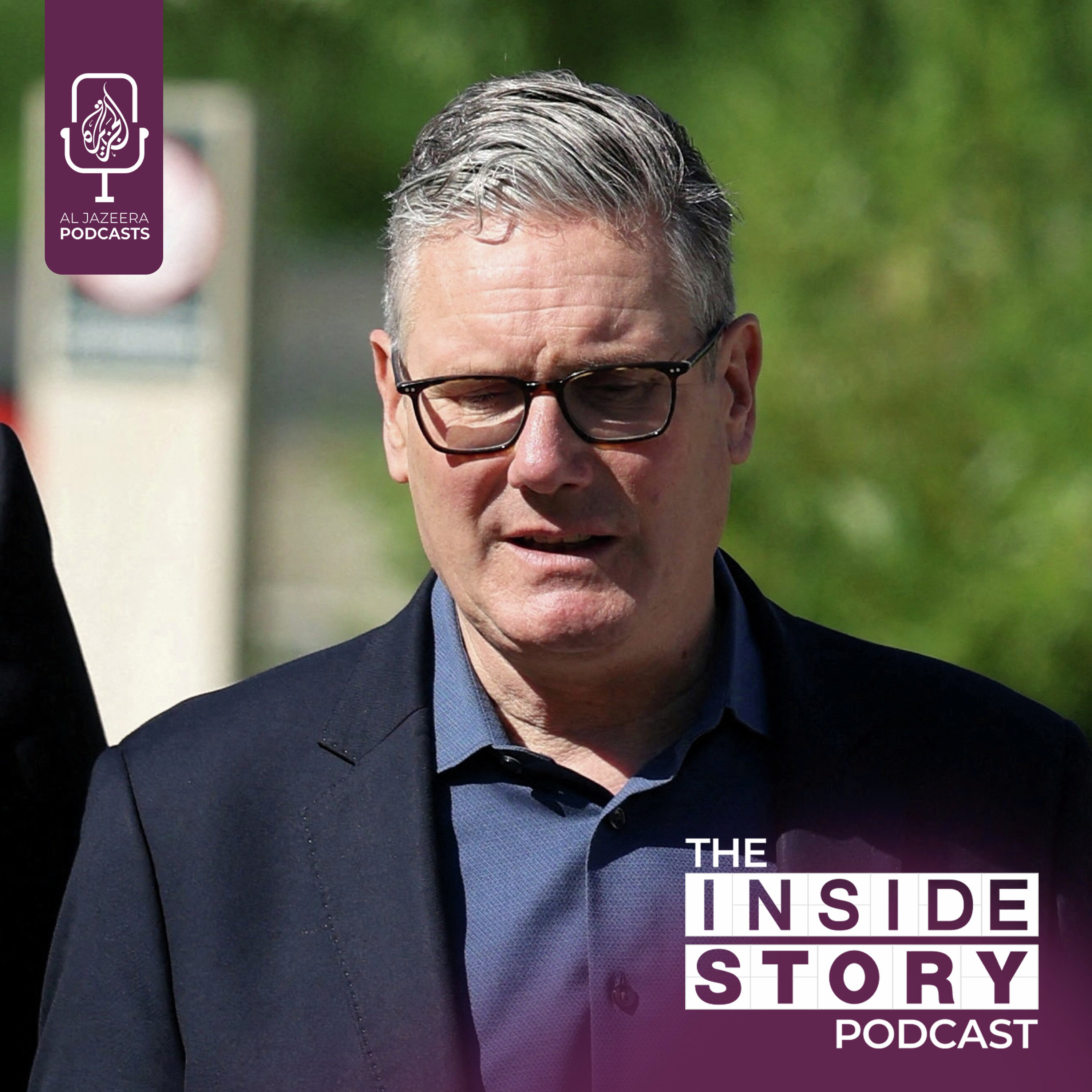
What's gone wrong so fast for UK PM Keir Starmer?
A landslide win, only two years ago - yet now UK prime minister Keir Starmer's resisting calls to step down. The return to parliament of Andy Burnham makes a leadership challenge more likely. What's gone wrong so fast, for Starmer? And why so much turmoil at the top of British politics? In this episode: Peter Oborne - UK Political Commentator and Associate Editor of Middle East
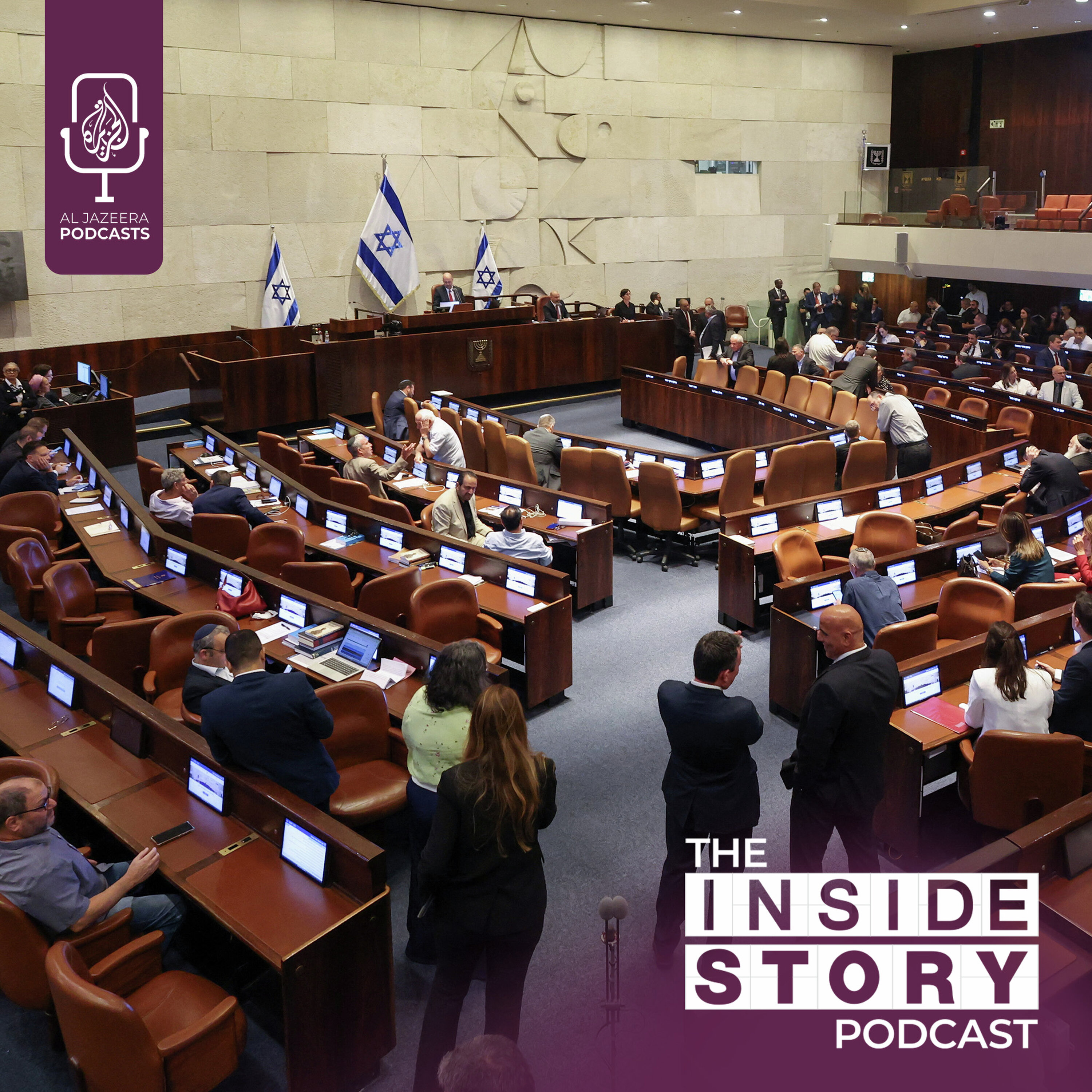
How is the Iran-US agreement being viewed in Israel?
Fury from Israeli ministers over the agreement US President Donald Trump has signed with Iran. And a sharp rebuke in response from his vice president JD Vance. What are the implications for Israel and its prime minister, Benjamin Netanyahu? In this episode: Gideon Levy, Columnist at Haaretz newspaper Mairav Zonszein, Senior Israel Analyst at the International Crisis Group M
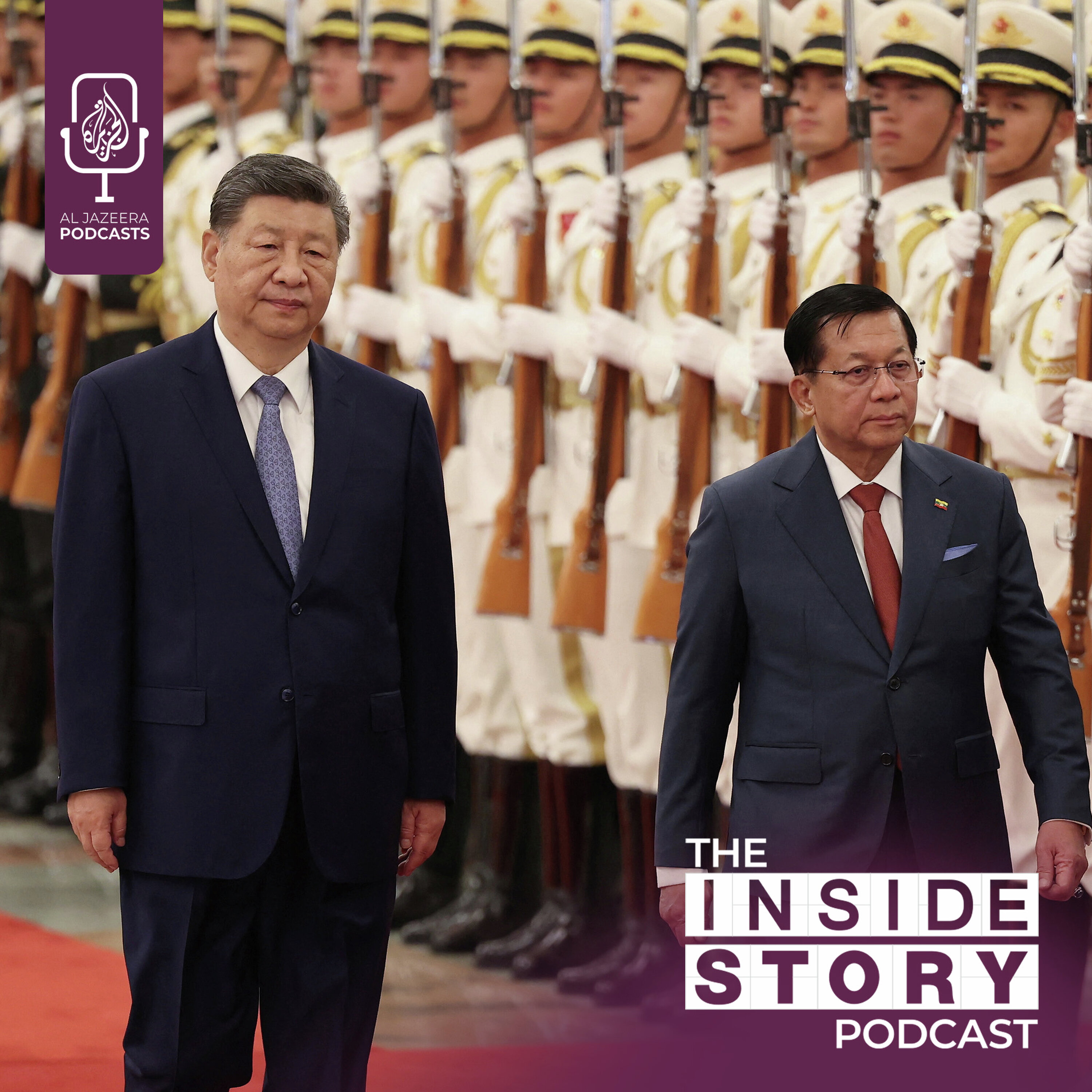
Can the Global South have a say in global affairs?
China calls for stronger representation for the Global South. It warns that the international rules-based order is at a critical crossroads. Beijing says it has a solution to a more equitable system. But does it have the leverage and tools to enforce it? In this episode: Steve Tsang, Director of the SOAS China Institute Cobus van Staden, Head of Research at the China-Global South Project
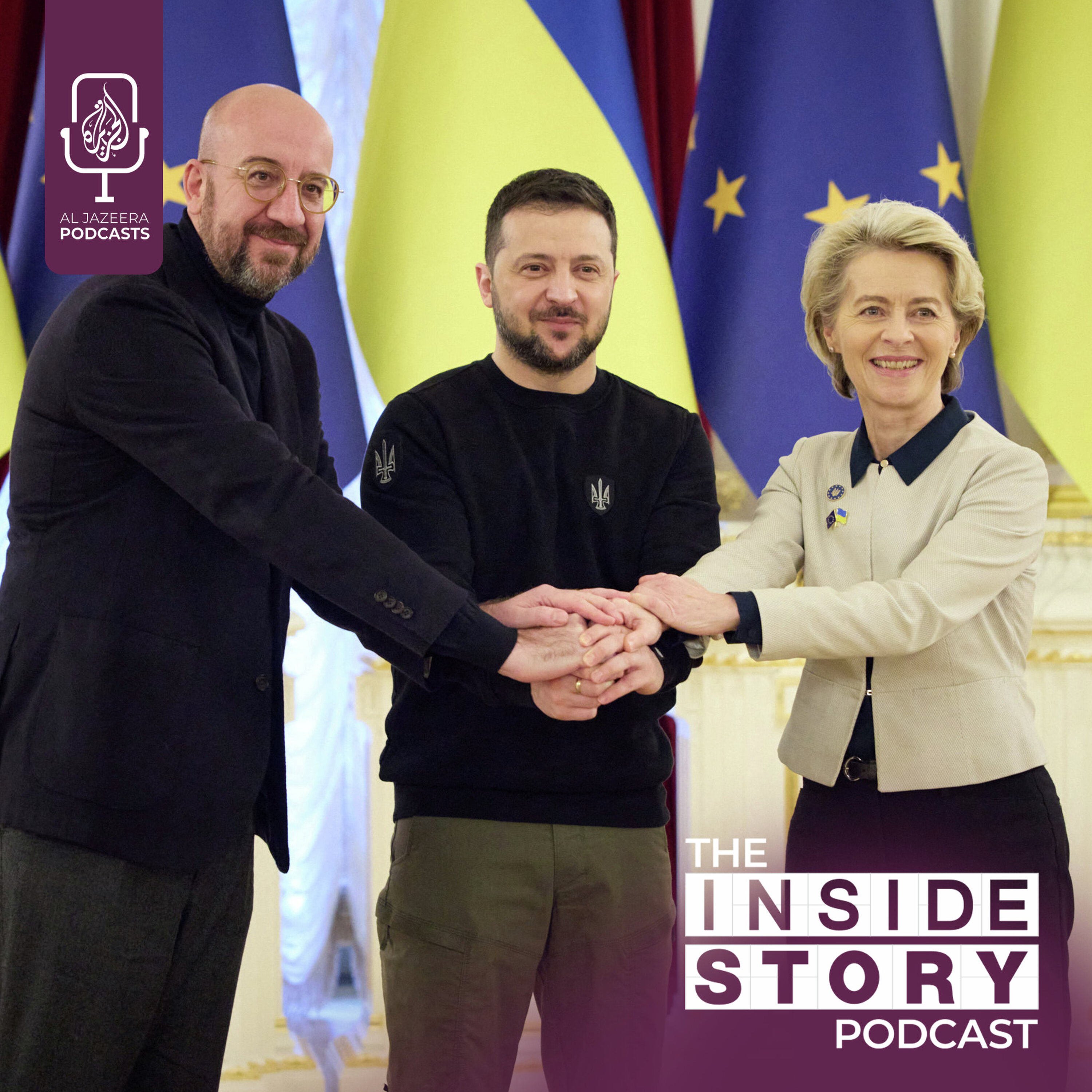
Will Ukraine become an EU member?
Kyiv has just started formal talks to join the bloc. It comes after Moscow declined an offer of direct talks to end the war. So, would membership protect Ukraine? And what would it mean for Europe? In this episode: Peter Zalmayev, Executive Director at Eurasia Democracy Initiative Theresa Fallon, Director at the Centre for Russia Europe Asia Studies Alexander Bratersky, indep
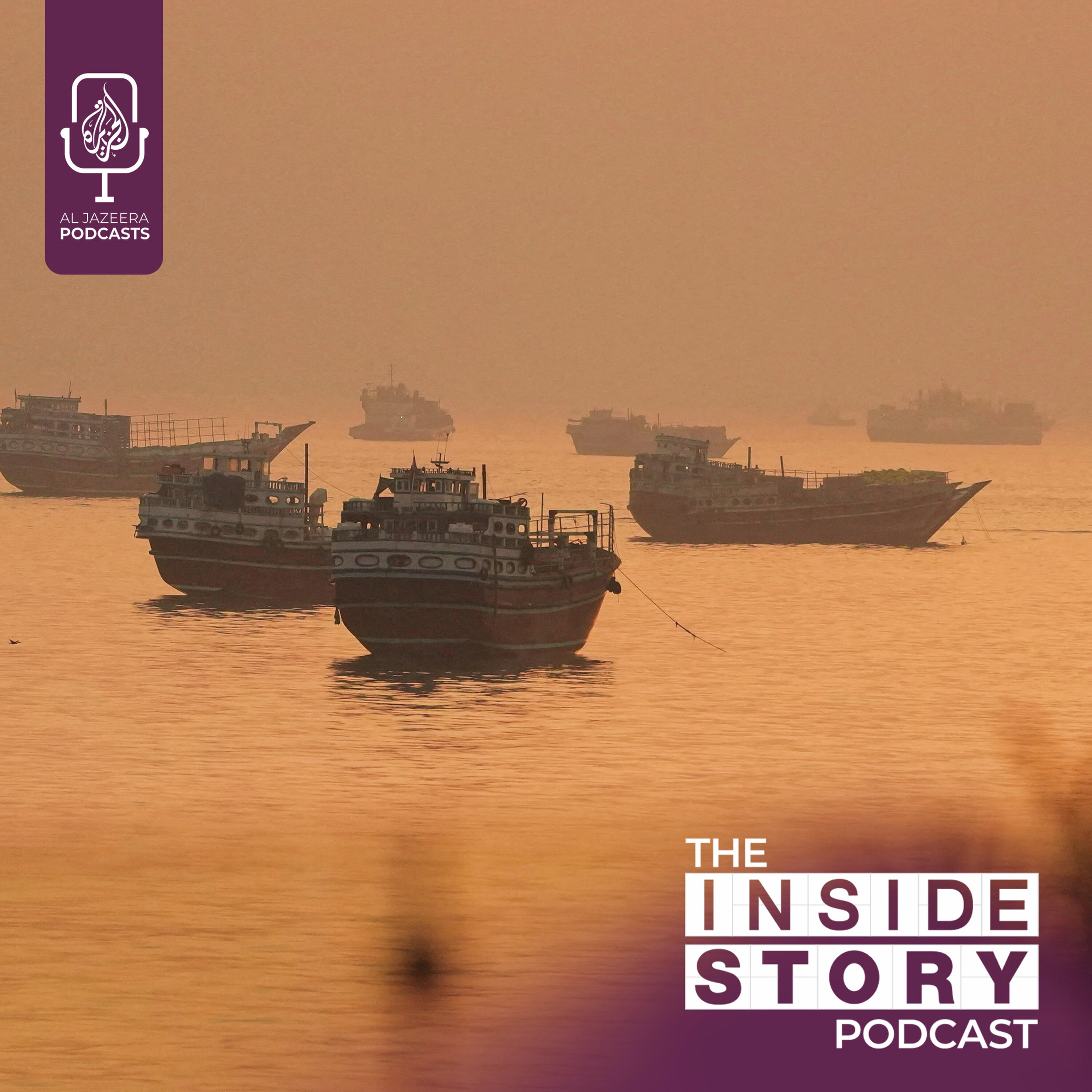
What has Iran won and lost from this war?
An agreement between Washington and Tehran has all but ended the Iran war, both claiming victory despite the huge cost. Among that is damage to Iranian relationships with its Gulf neighbours, which it attacked. So, what has Iran won and lost in the region from this war? In this episode: Ali Akbar Dareini, Researcher at the Center for Strategic Studies in Tehran. Roxane Farmanfar

Can a social media ban protect young users?
The UK says it's banning access to social media for those under 16. Its government argues it's the right choice to protect young people from online harm. But will this policy work? And how will it be enforced? In this episode: Dr Charlotte Armitage, Psychologist and Psychotherapist and author of Generation Zombie: Why Devices Are Harming Our Children and What We Can Do About It Paolo G
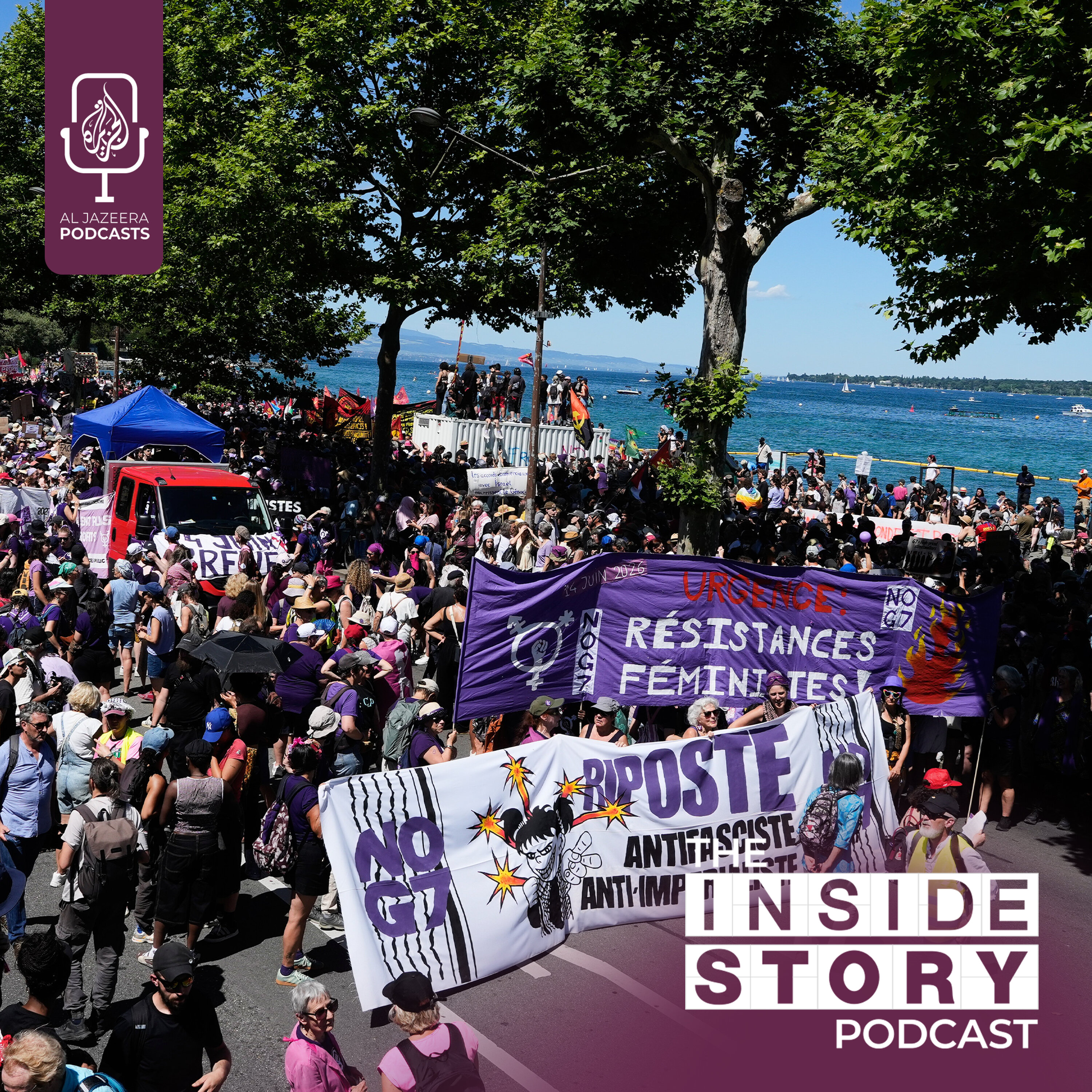
Can the G7 help resolve global crises as geopolitical realities shift?
The annual G7 summit is set to be held in France. But this time, differences within the group are growing. From tensions in the Middle East to the war in Ukraine, can the G7 help resolve global crises as geopolitical realities shift? In this episode: Jacques Reland, Senior Research Fellow, Global Policy Institute. Scott Lucas, Professor, US and International Politics, Clinton Inst
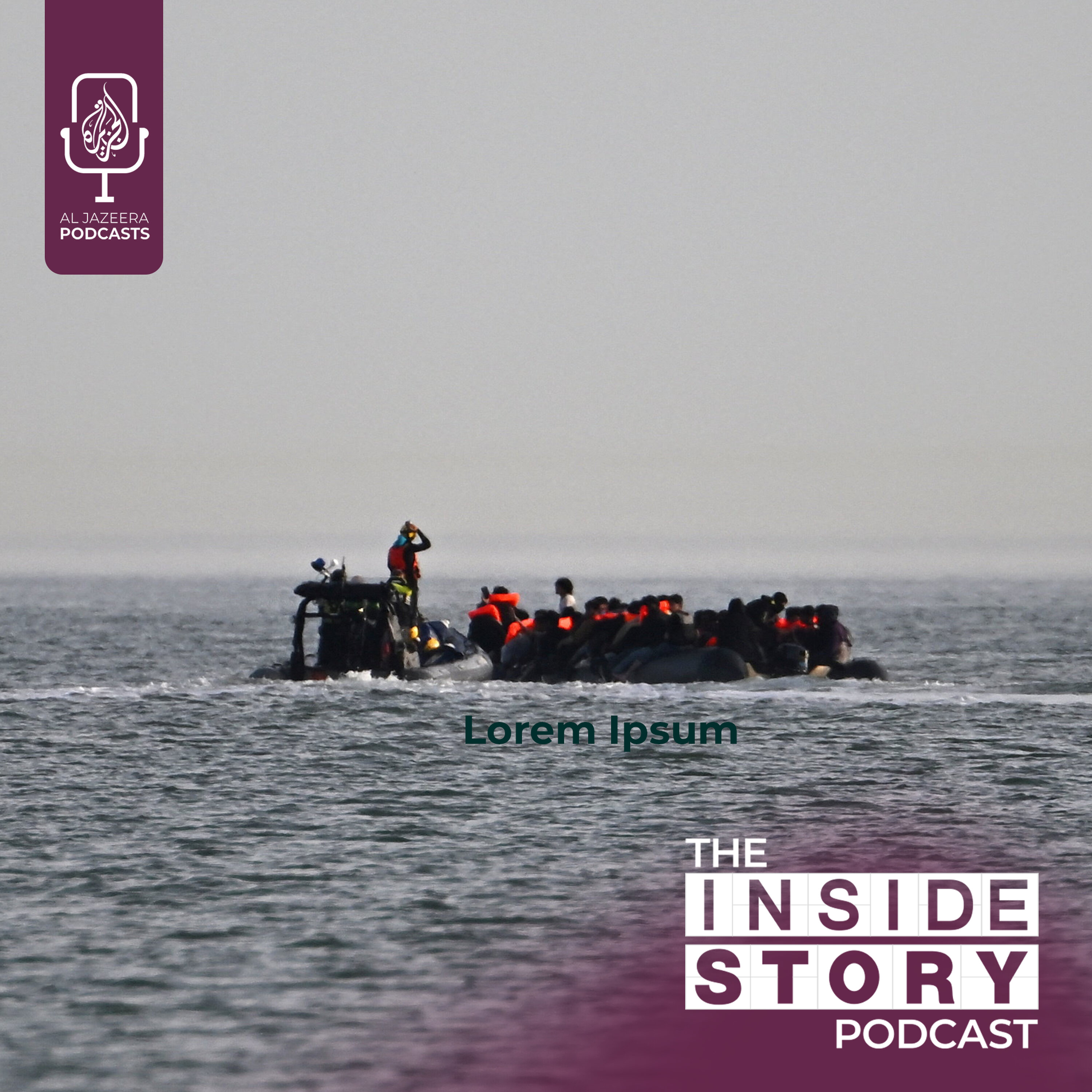
What does the EU's migration pact mean?
The European Union's new migration pact is now in force,, tightening border controls and overhauling asylum rules. Will it reduce migration to Europe? And what does it reveal about the political forces shaping the bloc? In this episode: Marta Welander - EU Advocacy Director, International Rescue Committee. Nathalie Tocci - Professor of Practice at Johns Hopkins University SAIS Europe. Piete
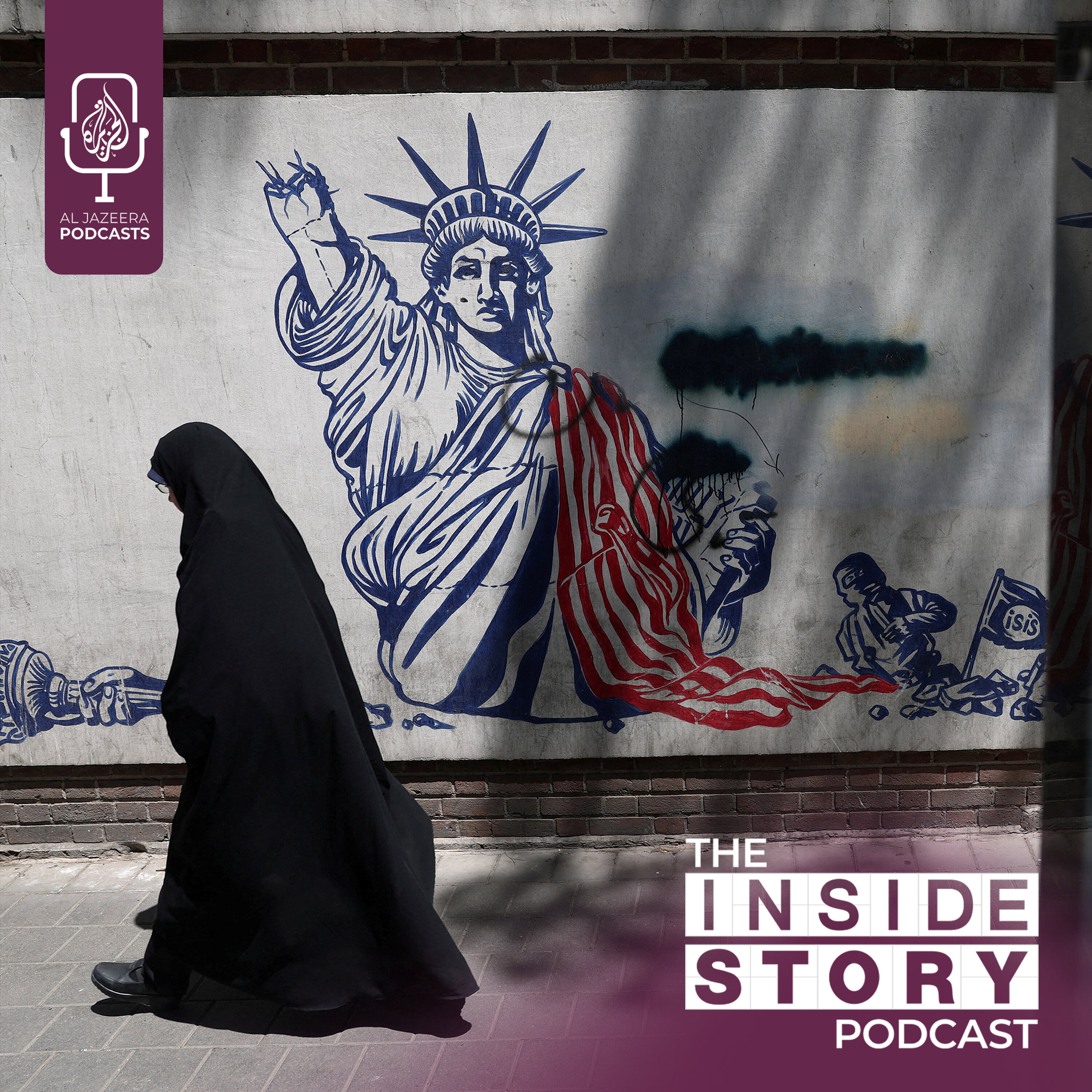
Could Washington and Tehran finally strike a deal?
Donald Trump says a new agreement with Iran is within reach. Tehran insists key issues remain unresolved. So is a deal finally close? What would it mean for tensions in the region? And if an agreement is signed, can it survive the political pressures on both sides? In this episode: Dania Thafer - Executive Director, Gulf International Forum Foad Izadi - Associate Professor at Universit
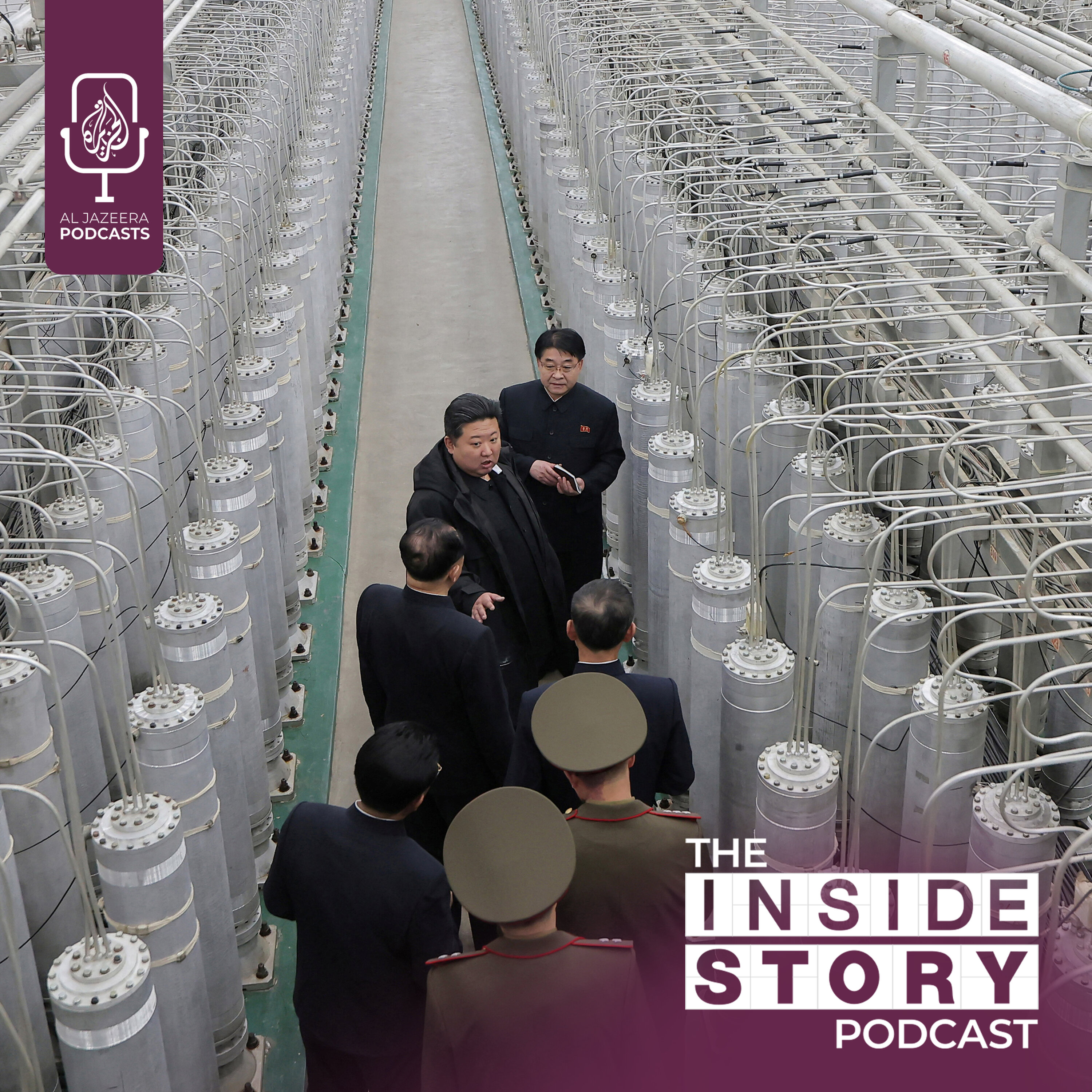
What does a surge in nuclear weapon spendings mean for the future?
The nine countries believed to hold nuclear weapons have spent a record $119bn on their arsenals. The US budget was more than all the others combined, according to an anti-proliferation group. So why the huge surge? And what does it mean for the future of disarmament? In this episode: Tariq Rauf, Former Head of Verification and Security Policy Co-ordination, International Atomic Energy Agen
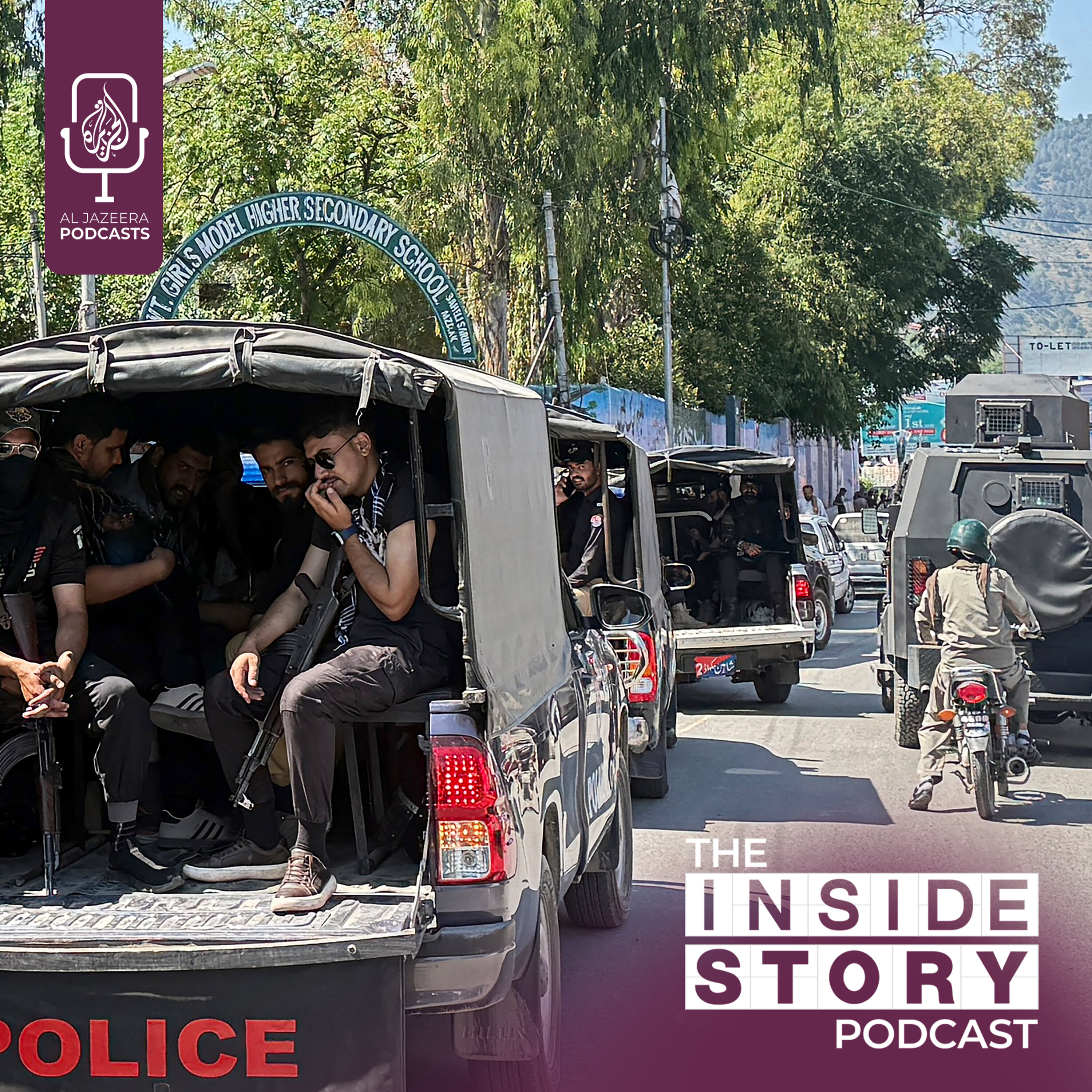
What are the implications of the unrest in Pakistan-administered Kashmir?
Turmoil in Pakistan-administered Kashmir. A banned group has been protesting against a court ruling that kept in place legislative representation for Kashmiri refugees living in Pakistan. What are the political implications of the demonstrations? In this episode: Maria Iqbal Tarana, Senior Leader, Pakistan Muslim League Nawaz. Sahar Khan, Nonresident Fellow, Institute for Global A
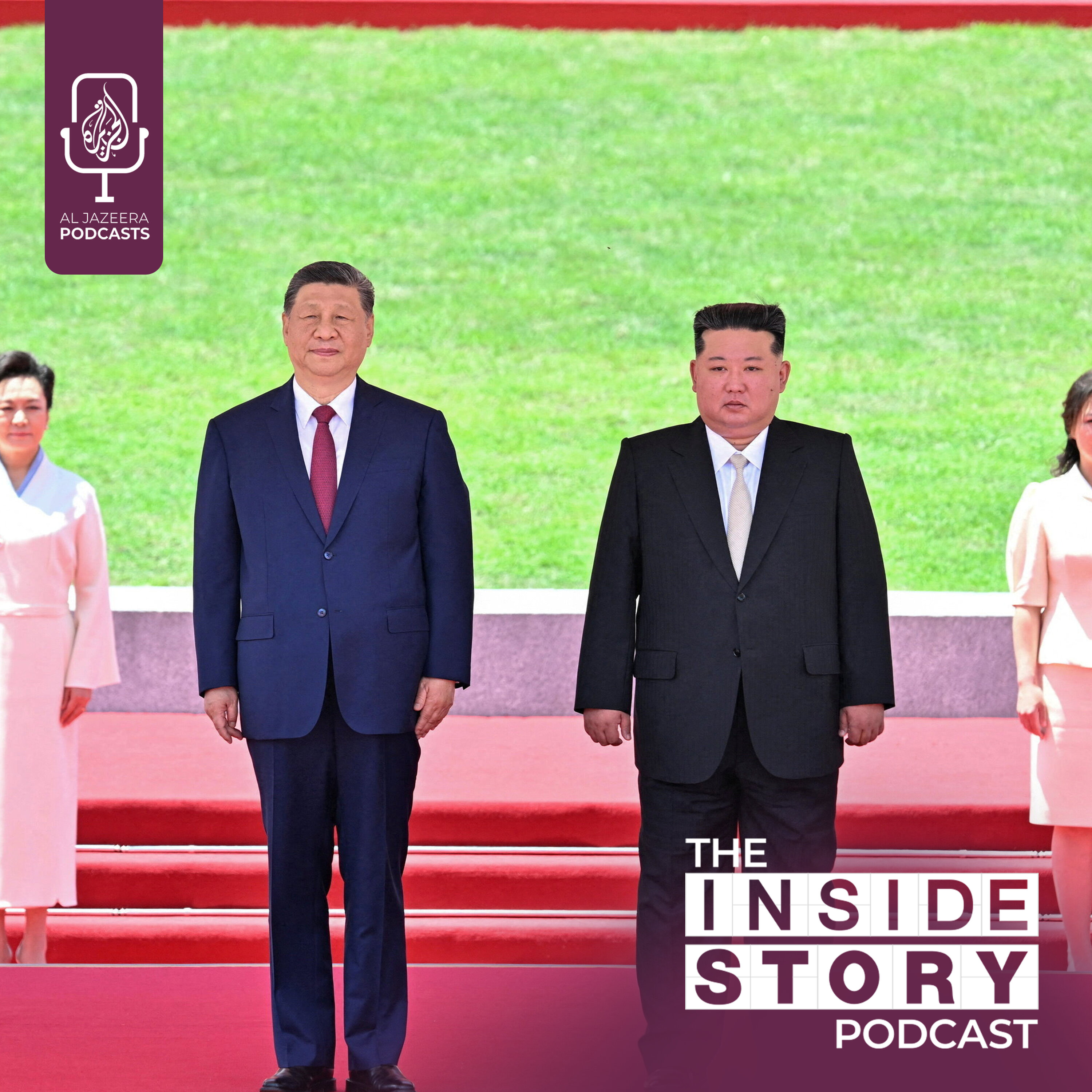
How could the Chinese president's visit to North Korea reshape geopolitics?
Chinese President Xi Jinping visits North Korea. Beijing is Pyongyang's main political and economic backer. Xi has voiced his opposition to what he called hegemonism and power politics. So, how could his visit shape geopolitics in the region? In this episode: Einar Tangen, Senior Fellow, Centre for International Governance Innovation. Hannah Kim, Associate Professor, Internationa
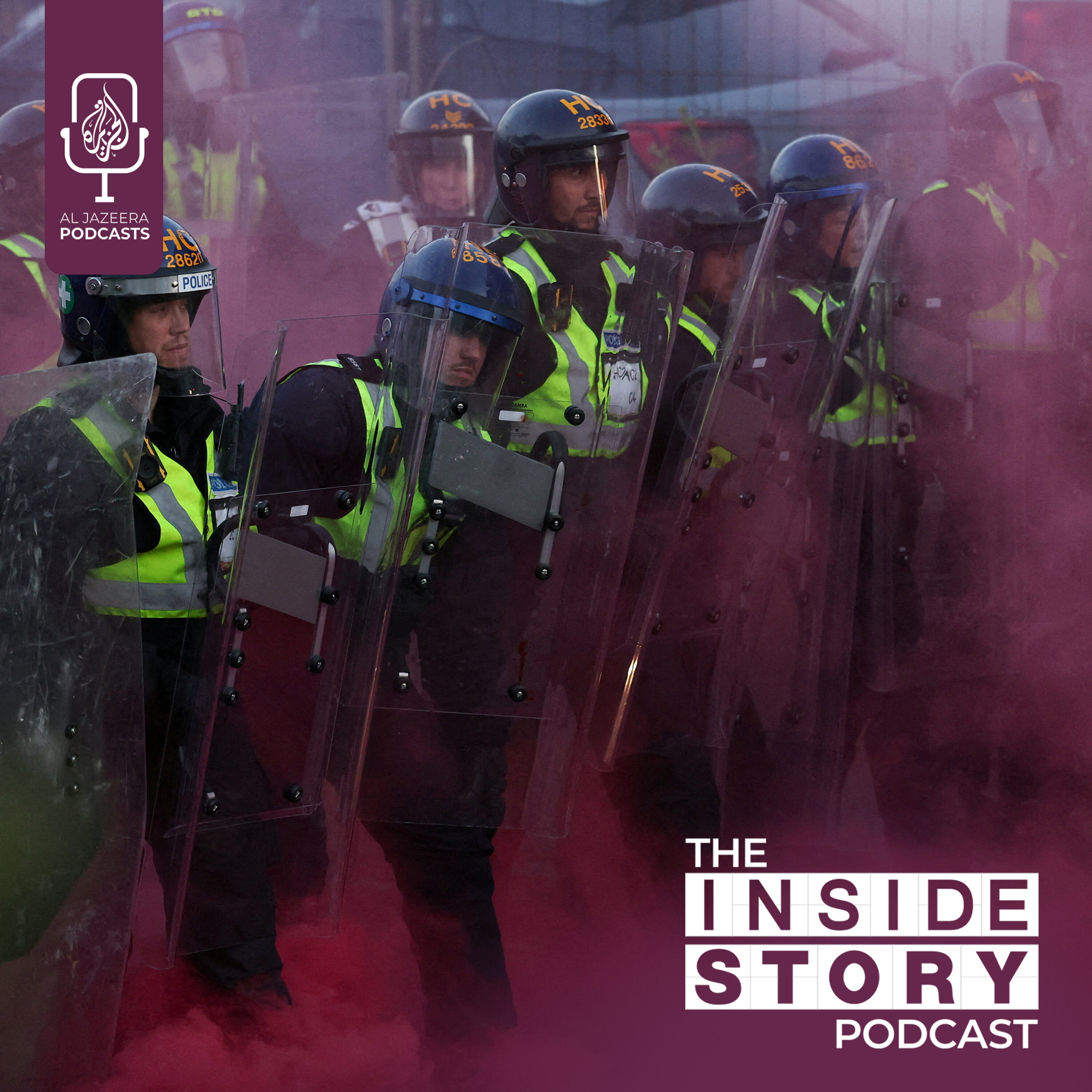
Why are racial issues so prominent now in the UK?
Protests in the UK after the release of police video of an 18-year-old stabbing victim handcuffed by officers after his attacker alleged racial abuse. The case has caused outrage with the Prime Minister rejecting claims of police bias against white people. So, why are racial issues so prominent now in the UK? In this episode: Tim Bale, Professor, Politics, Queen Mary University o
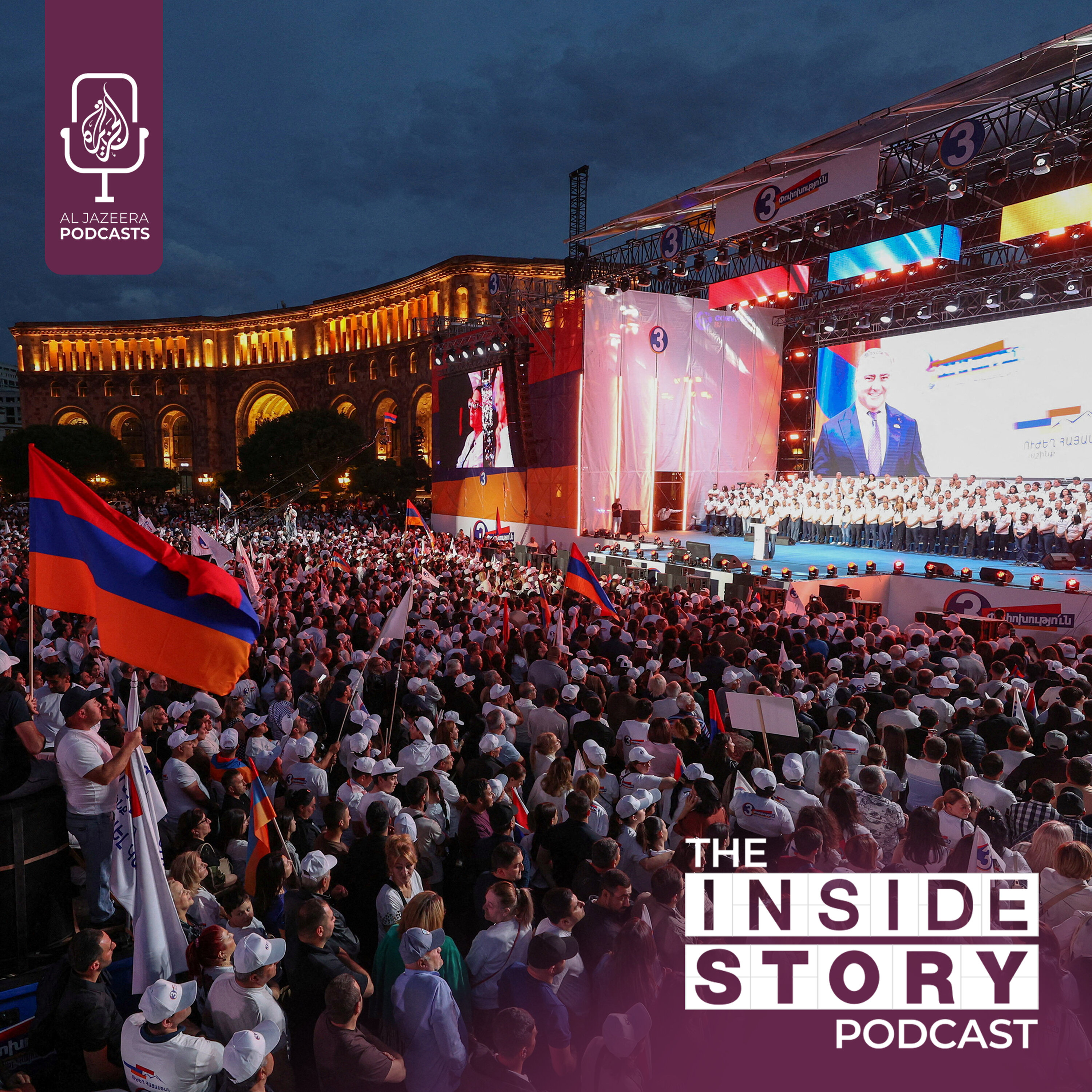
Why the World Is Watching Armenia's Vote
Armenians are voting in pivotal parliamentary elections. With Prime Minister Nikol Pashinyan facing pro-Russia rivals, why is the outcome being watched so closely in Brussels, Moscow and Washington? In this episode: Richard Giragosian - Director of the Regional Studies Center think-tank Kenneth Roth - Visiting Professor at the Princeton School of Public & International Affairs Chris Wea
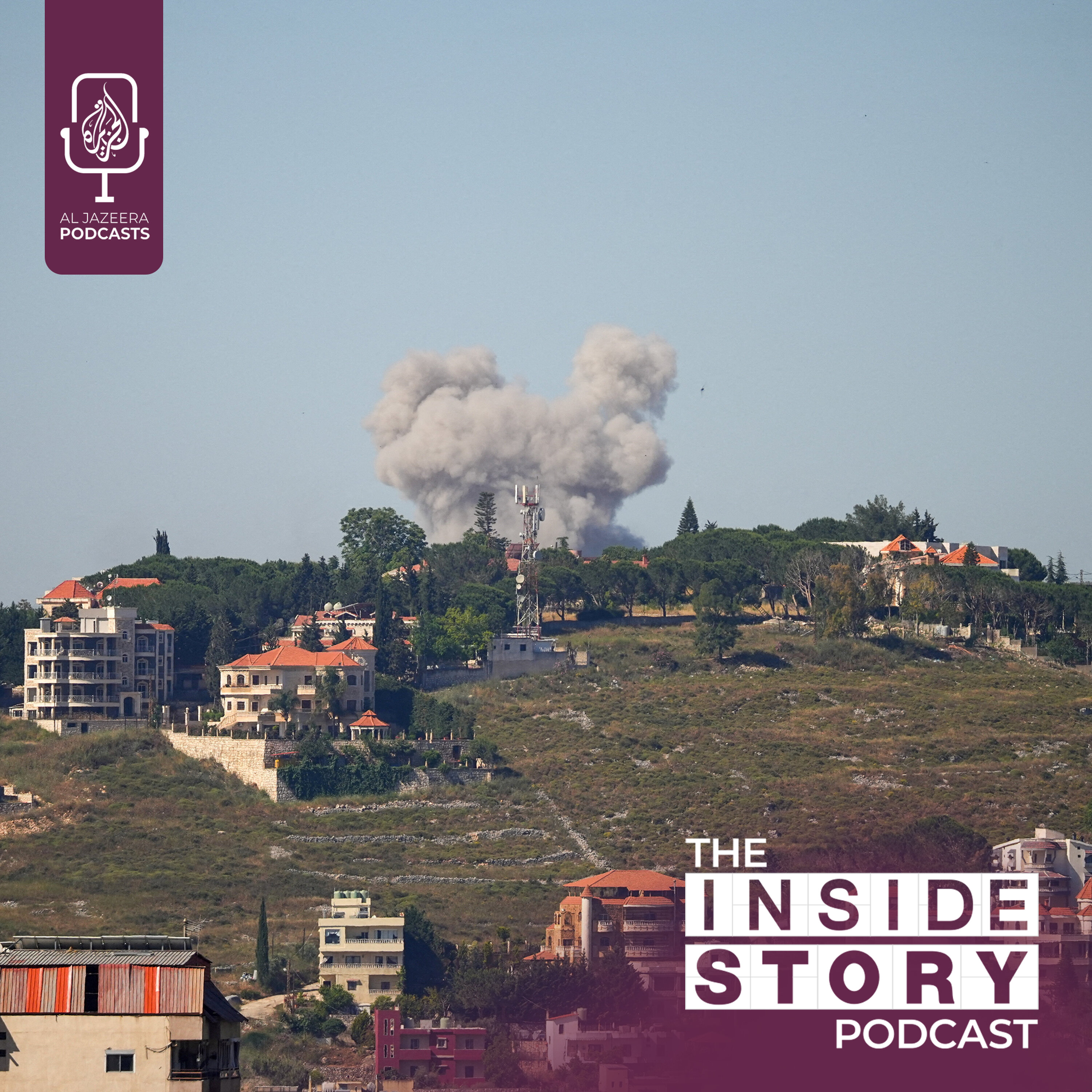
What's next for Lebanon after the ceasefire?
The US has announced another ceasefire between Israel and Lebanon. But Israeli strikes continue and Hezbollah remains engaged. Can the truce hold, and what lies ahead for Lebanon? In this episode: Heiko Wimmen - Project Director for Iraq, Syria and Lebanon, International Crisis Group Nimrod Novik - Former Special Envoy & Senior Adviser to former Israeli Prime Minister Shimon Peres
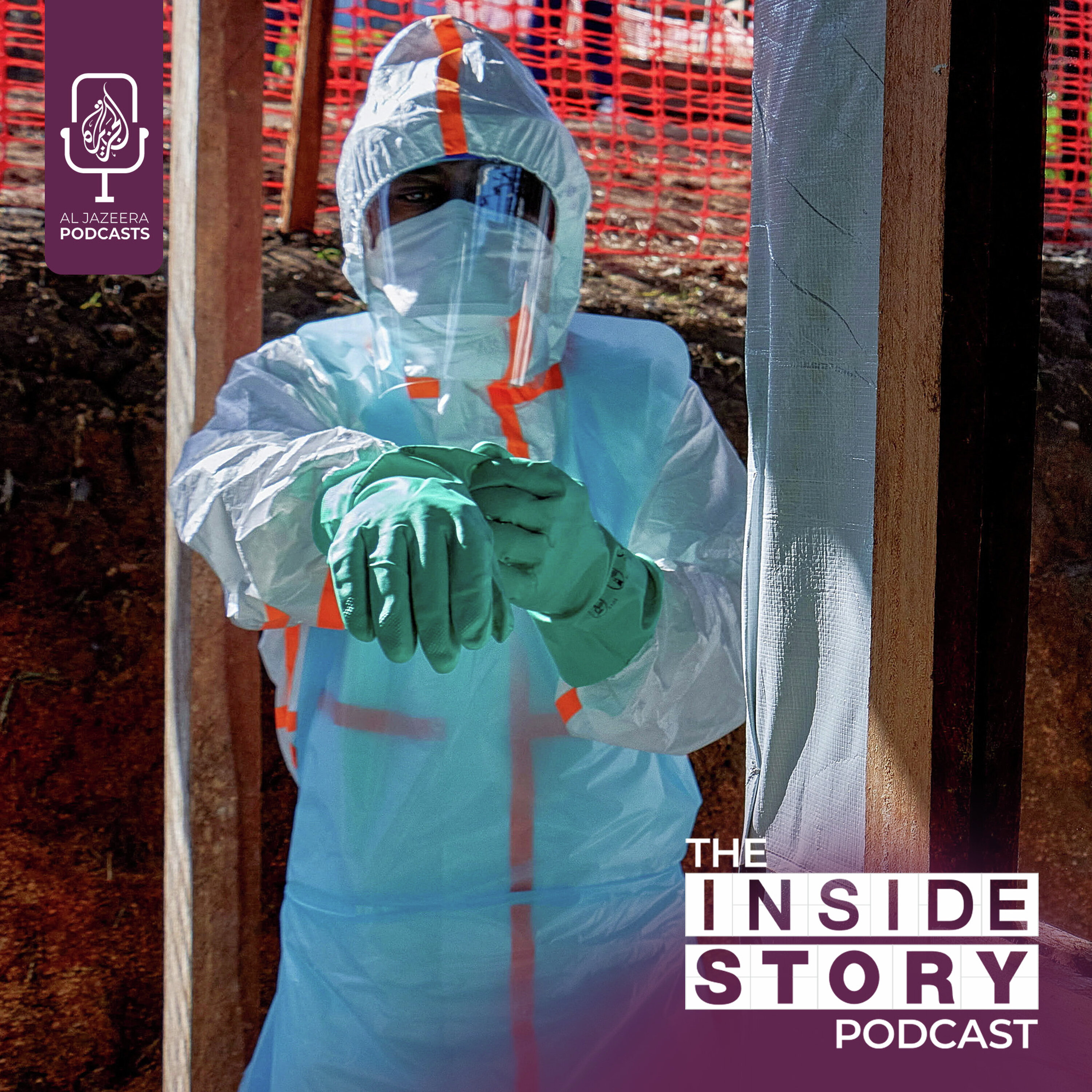
Can the Ebola outbreak in the DR Congo be stopped?
The head of the World Health Organization seems confident and says there's hope. But with an already volatile security situation in the region, what are the risks of the virus spreading? In this episode: Dr. Marie Roseline Belizaire, Emergency Director for the World Health Organization Africa Dr. Ekwaro Obuku, physician who served as a policy advisor on Uganda's national task force dur
Will the EU's new migration proposals work?
A proposal to tighten EU migration policy. Negotiators from the European Parliament and Council have provisionally agreed on a new deal. It includes the deportation to third countries of people whose applications are rejected. But where would that leave the rights of those seeking safe haven in Europe? In this episode: Marta Welander, EU Advocacy Director at the International
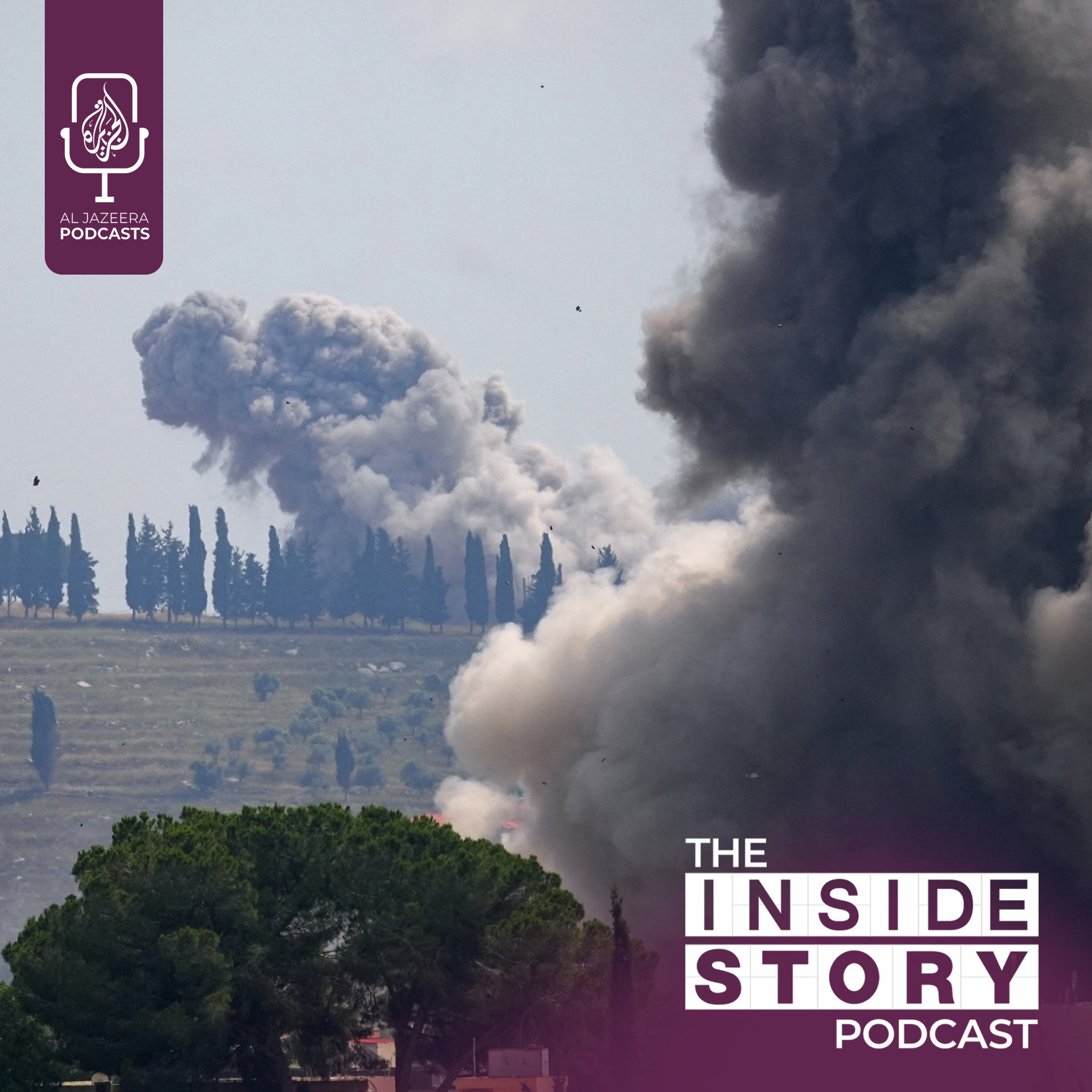
Why is Lebanon such a central issue to Iran?
Lebanon under Israeli attack - while diplomatic efforts continue to end the war in Iran. And with Israel escalating attacks on Hezbollah, Tehran wants any peace deal to cover both conflicts. So, why is Iran making Lebanon a central issue in its own war? In this episode: Naim Salem, Professor of Political Science at the Lebanese Army Military Academy Marzie Khalilian, Political An
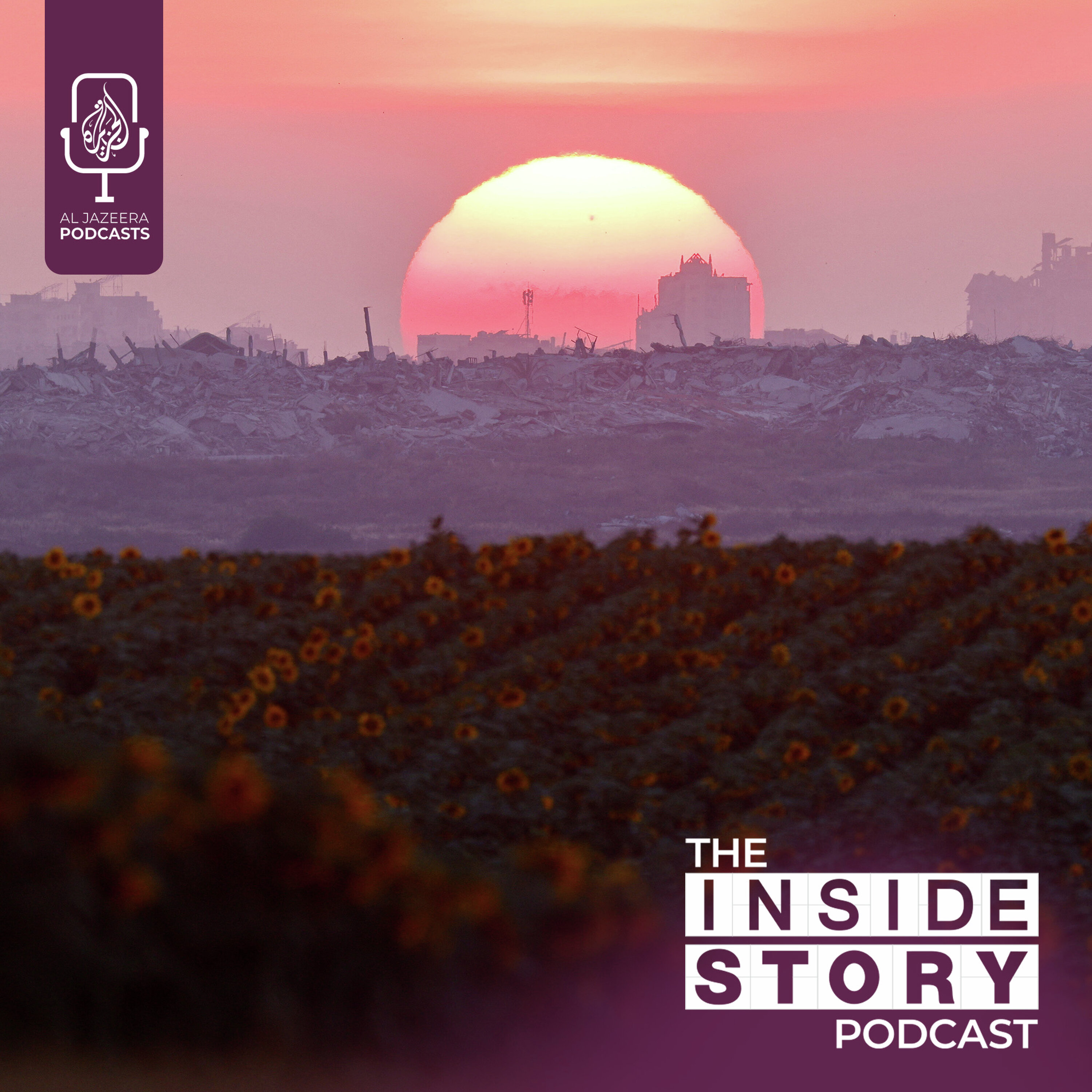
Is the US-backed Gaza peace process in serious danger?
Israel continues killing Palestinians in Gaza and threatens to seize more of the Strip - all in breach of October's ceasefire deal. Attacks go on everyday, with more than 900 killed since then. So, is the US-backed peace process in serious danger? In this episode: Muhammad Shehada, Senior Fellow at the European Council on Foreign Relations Daniel Levy, President of the U.S. / Middle E
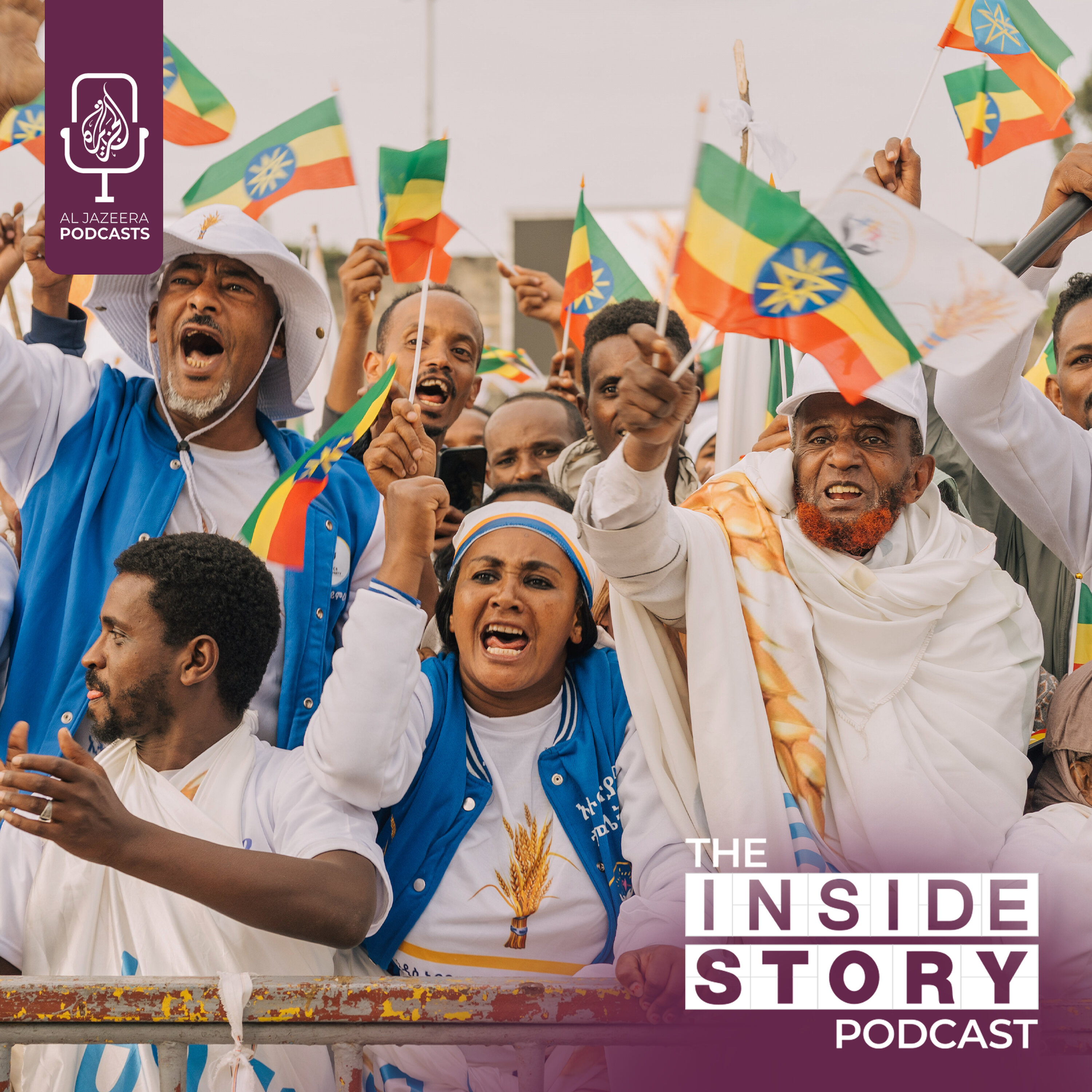
What's at stake in Ethiopia's elections?
What's at stake in Ethiopia's elections? The governing party is seeking to cement its power, but in a country embroiled in conflicts and deeply fragmented, will this vote solve Ethiopia's many woes? And how are these elections viewed across the Horn of Africa? In this episode: Samuel Getachew, Journalist and Ethiopian politics and security commentator. Martin Plaut, Senior
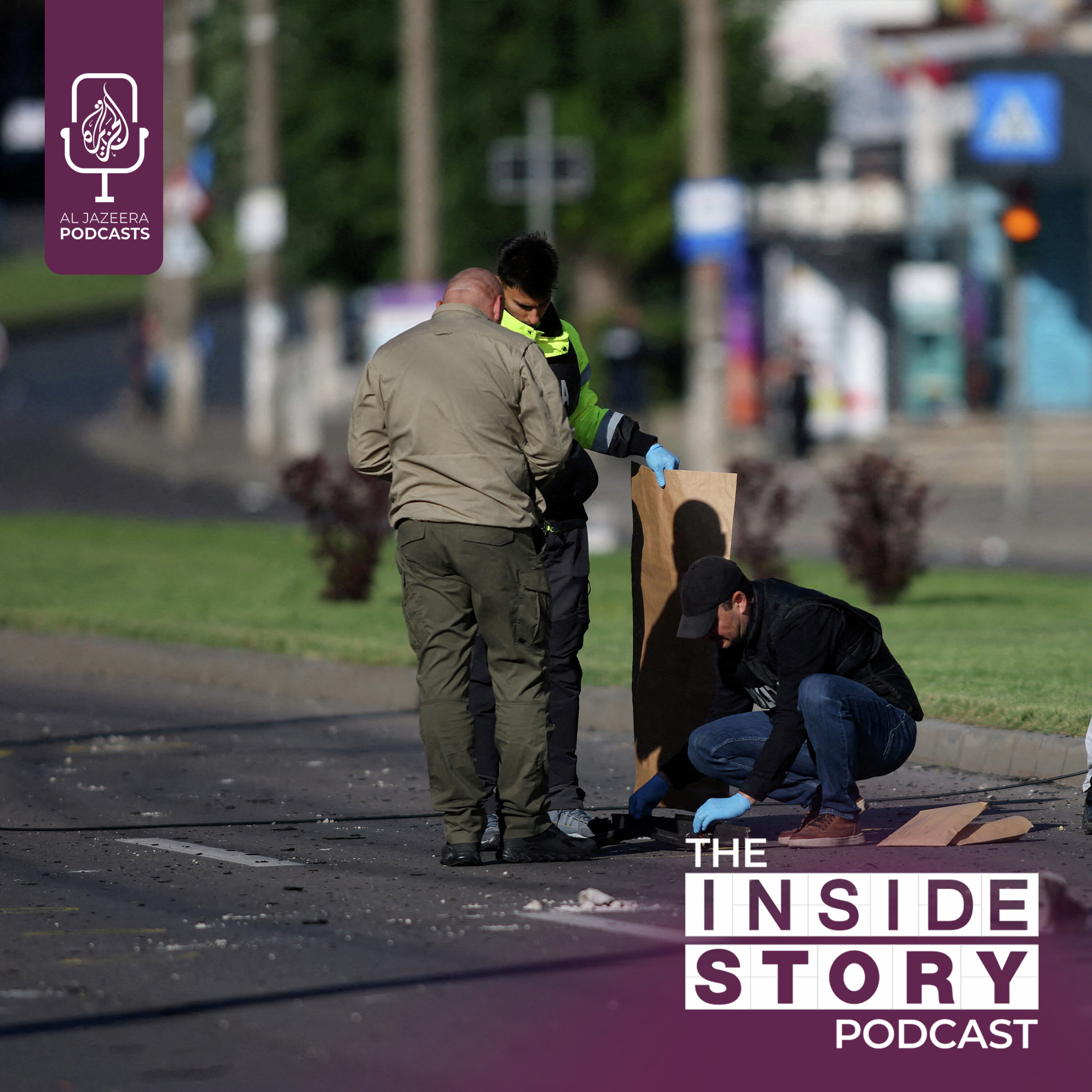
Is the Russia-Ukraine war entering a new phase?
NATO says it's ready to defend allied territory against Russian attacks. Ukraine warns Moscow is preparing for a major aerial assault, and appeals for more military support. Both sides seem confident they are advancing on the battlefield. So, is the war entering a new phase? In this episode: Olesia Horiainova - Co-founder of the Ukrainian Security and Cooperation Centre &nbs
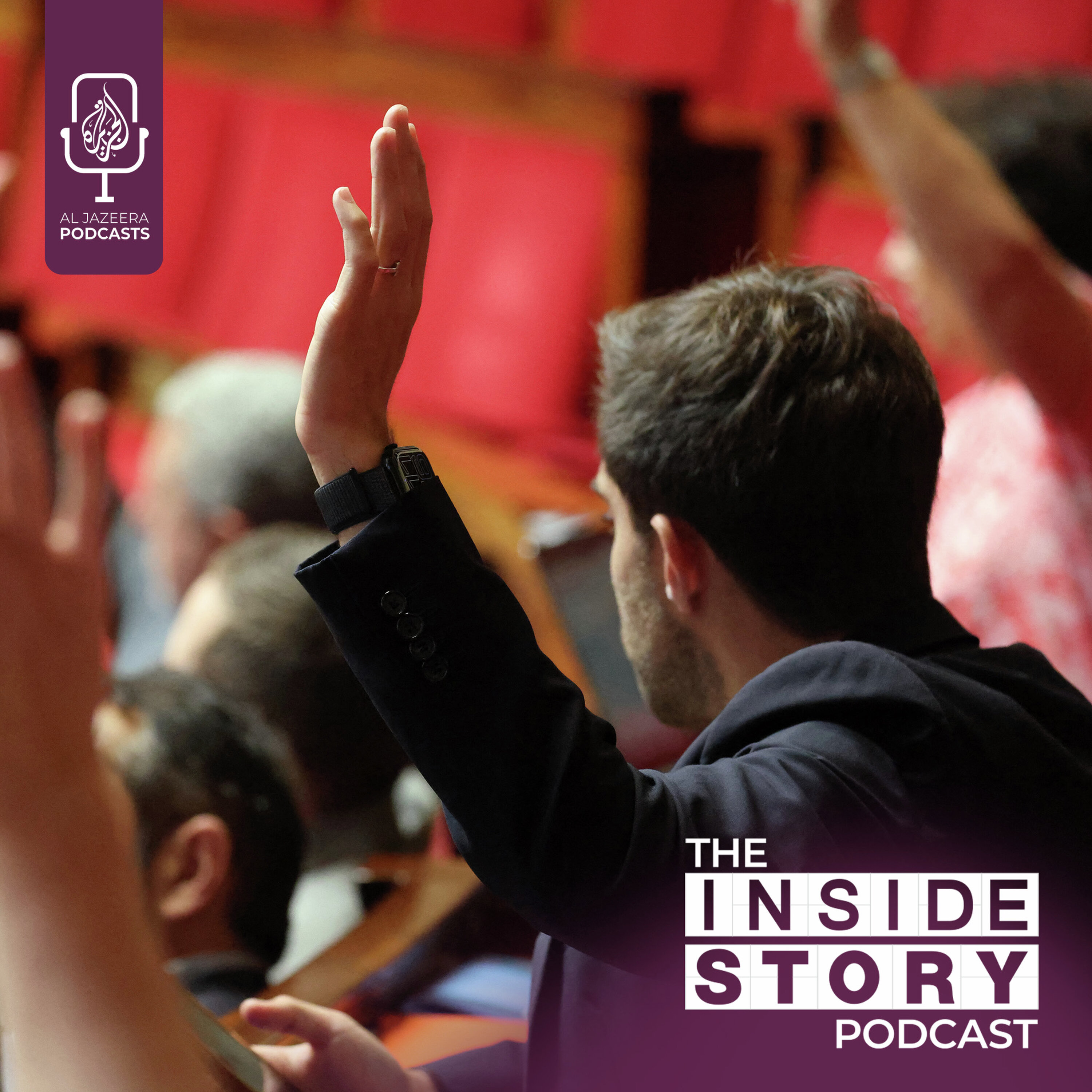
What's next after scrapping the 'Black Code' in France?
France has repealed a controversial law called Code Noir, or Black Code. It classified people in its colonies as property. But why now? What does it mean for the millions of victims of French colonialism? In this episode: Liliane Umubyeyi, Co-Founder and Executive Director of the African Futures Lab Marlene Daut, Professor of French and African Diaspora Studies at Yale Unive
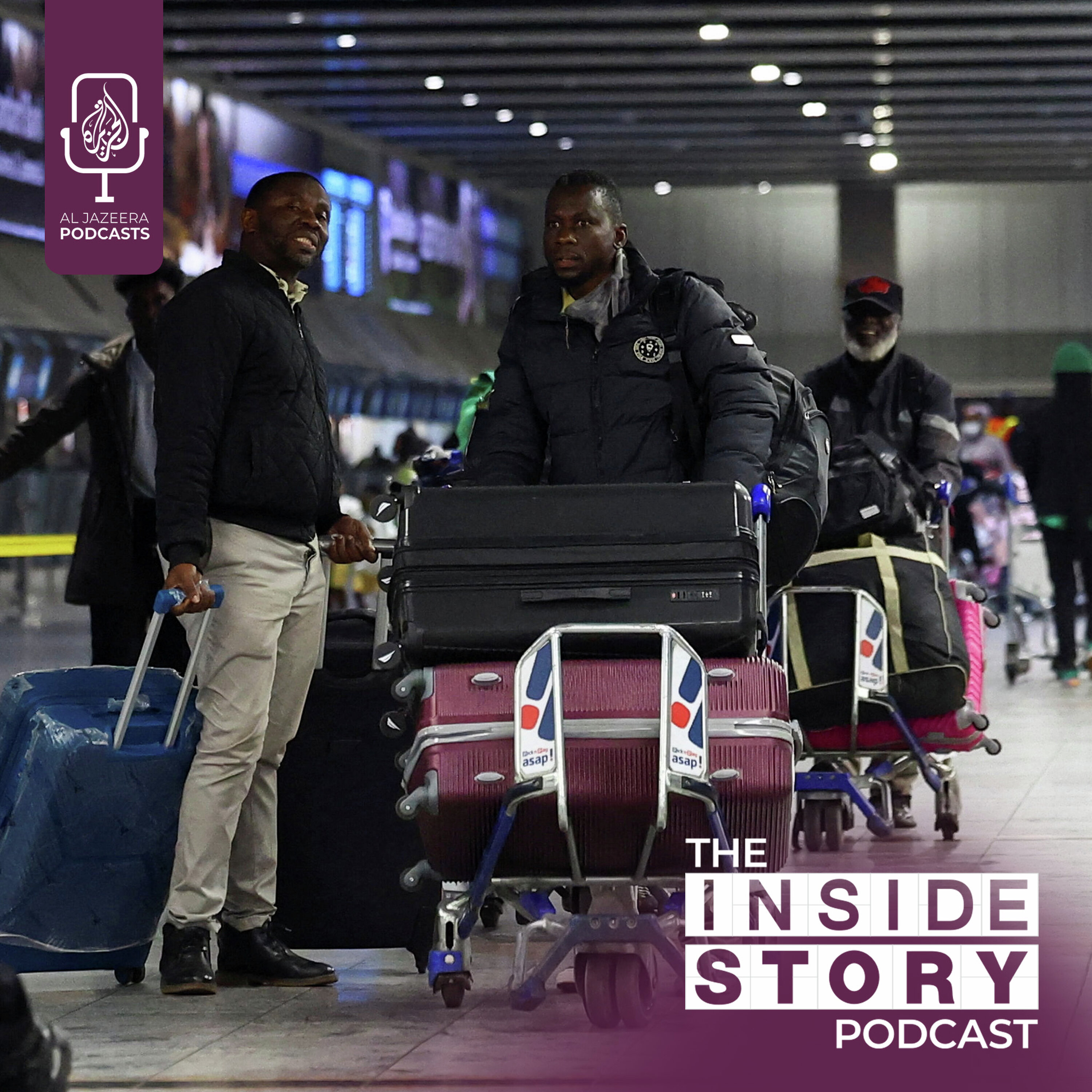
What's driving anti-migrant sentiment in South Africa?
What's behind the recent anti-migrant protests in South Africa? Thousands of foreign workers are under increasing pressure to leave the country. So, what's driving this anti-migrant sentiment that many have called xenophobic? And is politics involved? In this episode: William Gumede, Associate Professor, School of Governance at the University of the Witwatersrand Lindywe Zulu, member
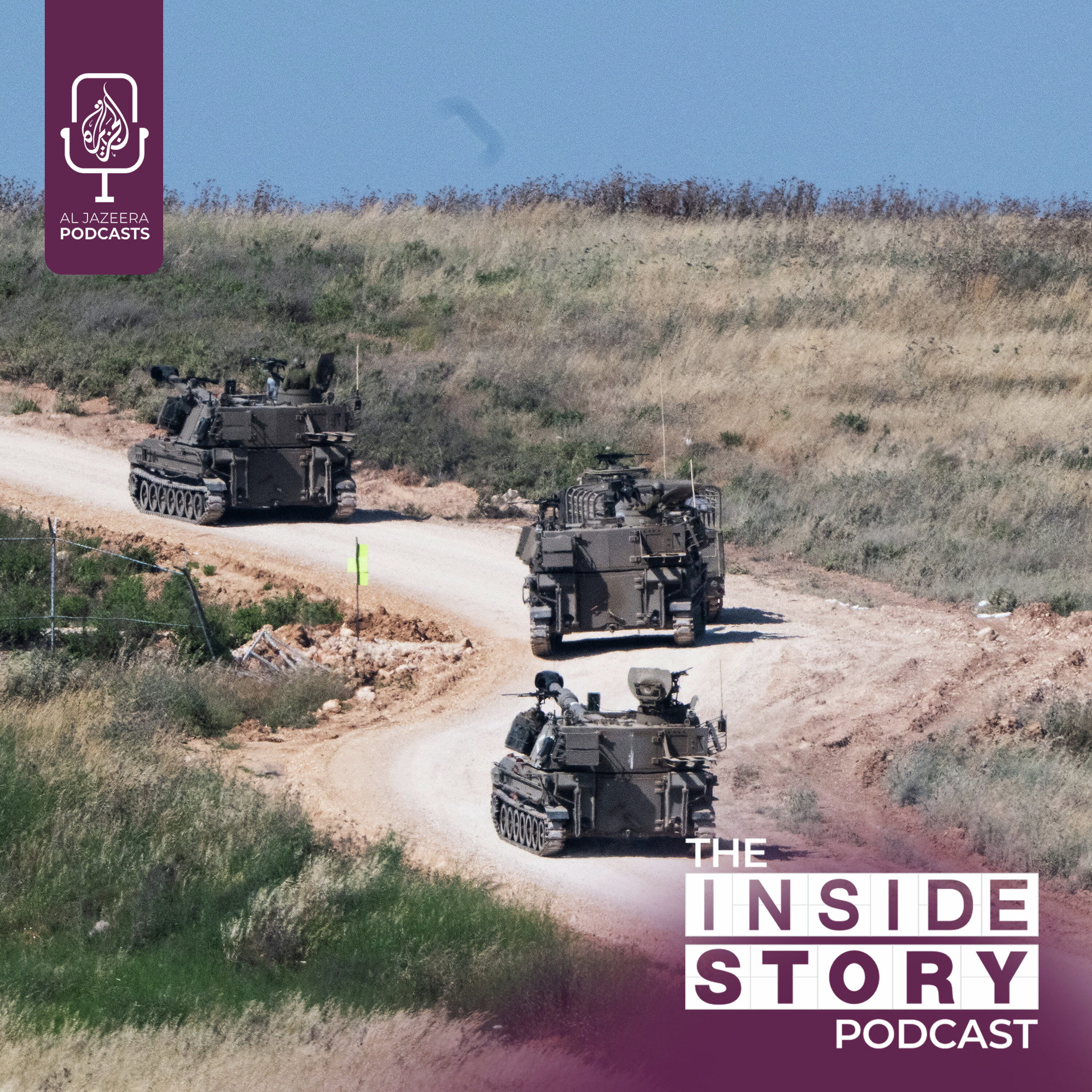
Why is Israel ramping up attacks in Lebanon despite a ceasefire?
Israel intensifies its military action in Lebanon, killing and injuring dozens of people, despite a U.S.-brokered ceasefire. Iran insists those attacks must also end as part of any deal with the United States. So, why is Israel ramping up its strikes? In this episode: Najat Aoun Saliba, Independent Member of the Lebanese Parliament Rami Khouri, Distinguished Fellow at the American Universit
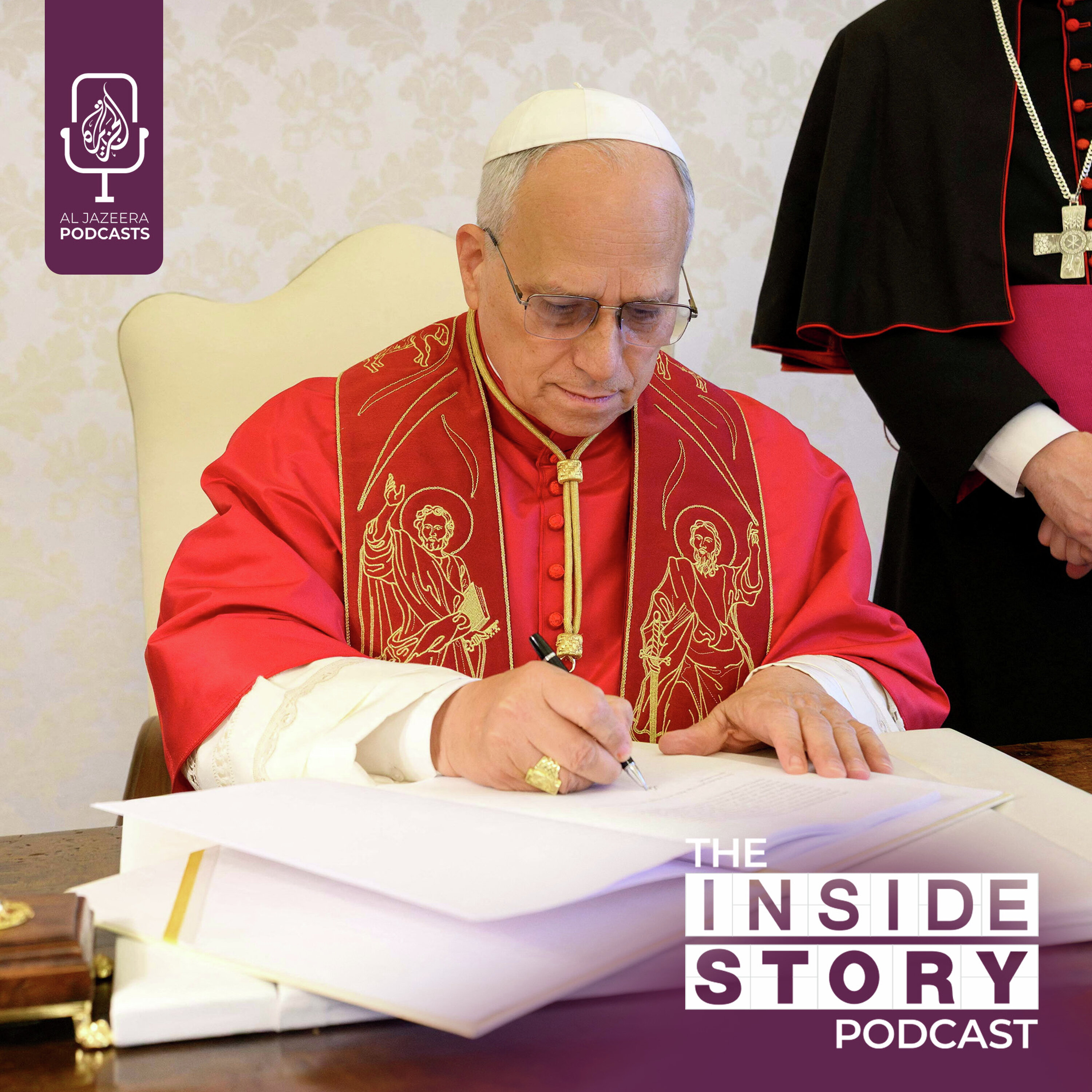
Will Pope Leo's encyclical on AI have an impact on big tech?
In the first keynote policy statement of his papacy, Pope Leo has warned that artificial intelligence must be for the benefit of humanity, not geopolitical or corporate dominance. Will his views have any impact on big tech and governments? In this episode: Gerard O’Connell, Senior Vatican correspondent for the Catholic magazine, America Aya Ibrahim, Senior Visiting Fellow at the
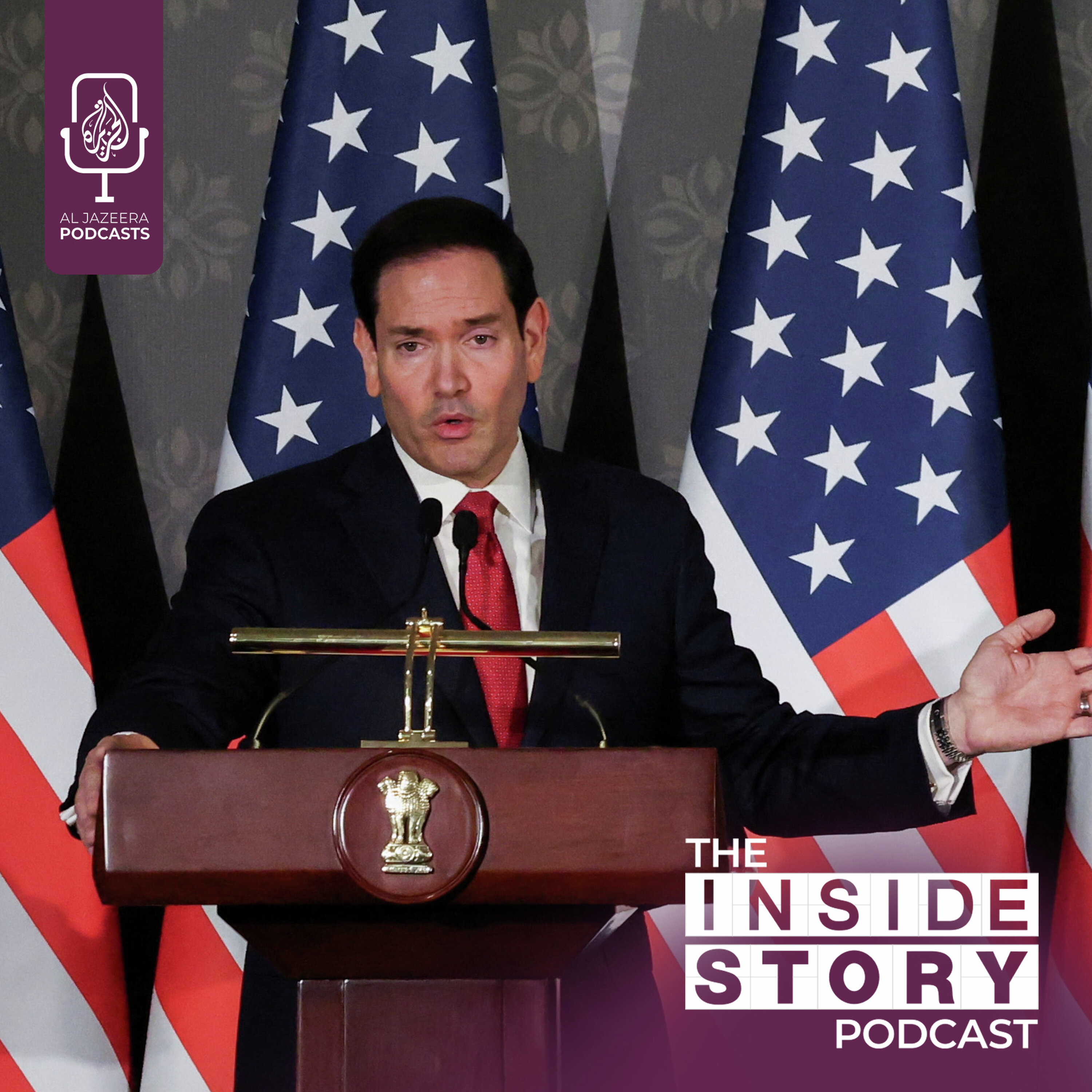
Is a US-Iran deal taking shape?
A possible US-Iran deal to end the conflict is taking shape. While mediators try to bridge some critical divides, Israeli officials are reportedly worried. What are their concerns? And will they throw a spanner in the works? In this episode: Mairav Zonszein, Senior Israel Analyst at the International Crisis Group Yossi Mekelberg, Senior Consulting Fellow with the Middle East and North Afric
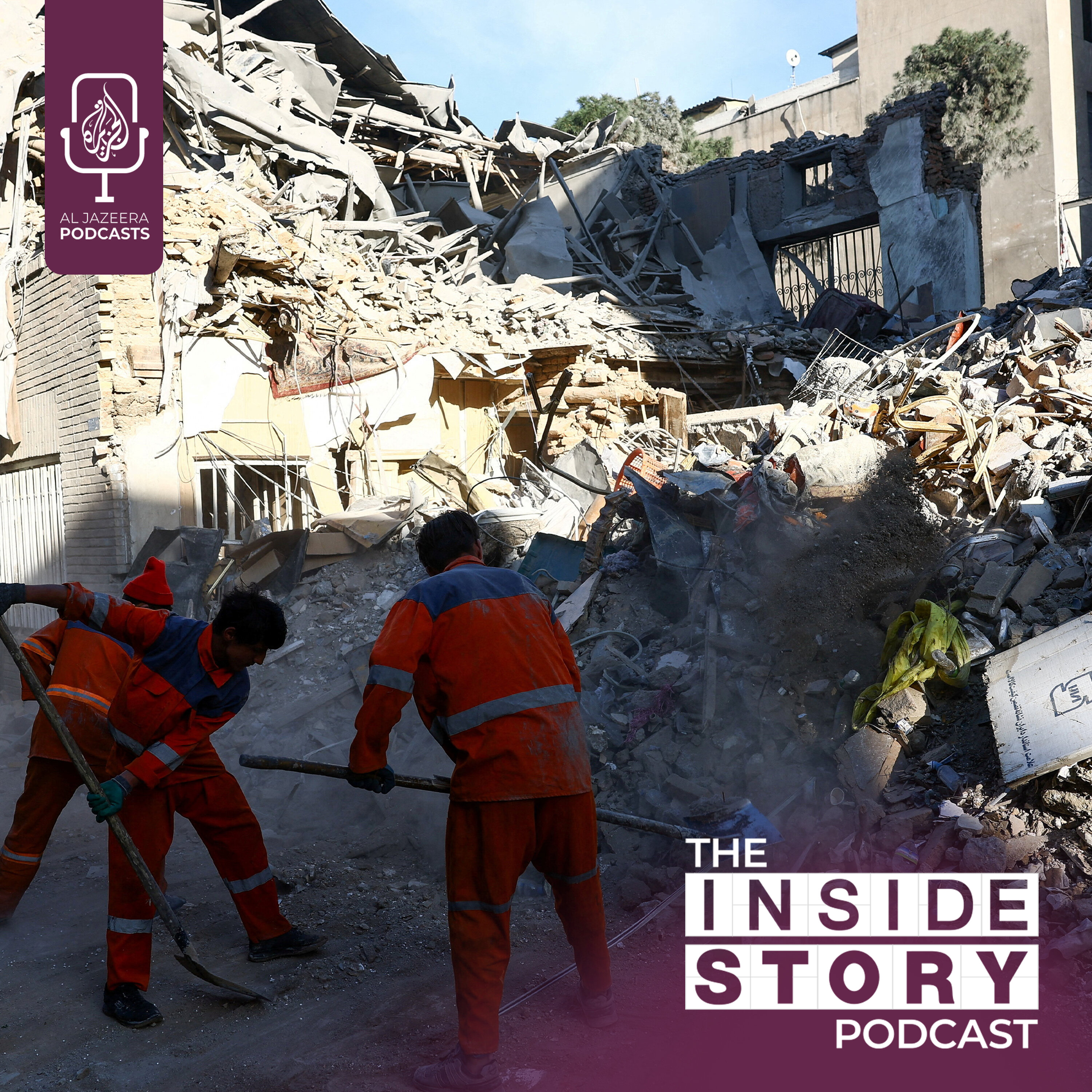
What could be the lasting legacy of the US-Israeli war on Iran?
The Iran war has caused the worst energy crisis in history, according to the International Energy Agency. It's been politically unpopular in the US too ahead of crucial mid-term elections in November. So, even after it ends, could this war have long-lasting implications? In this episode: Foad Izadi, Associate Professor, University of Tehran. Christopher Hill, Former U
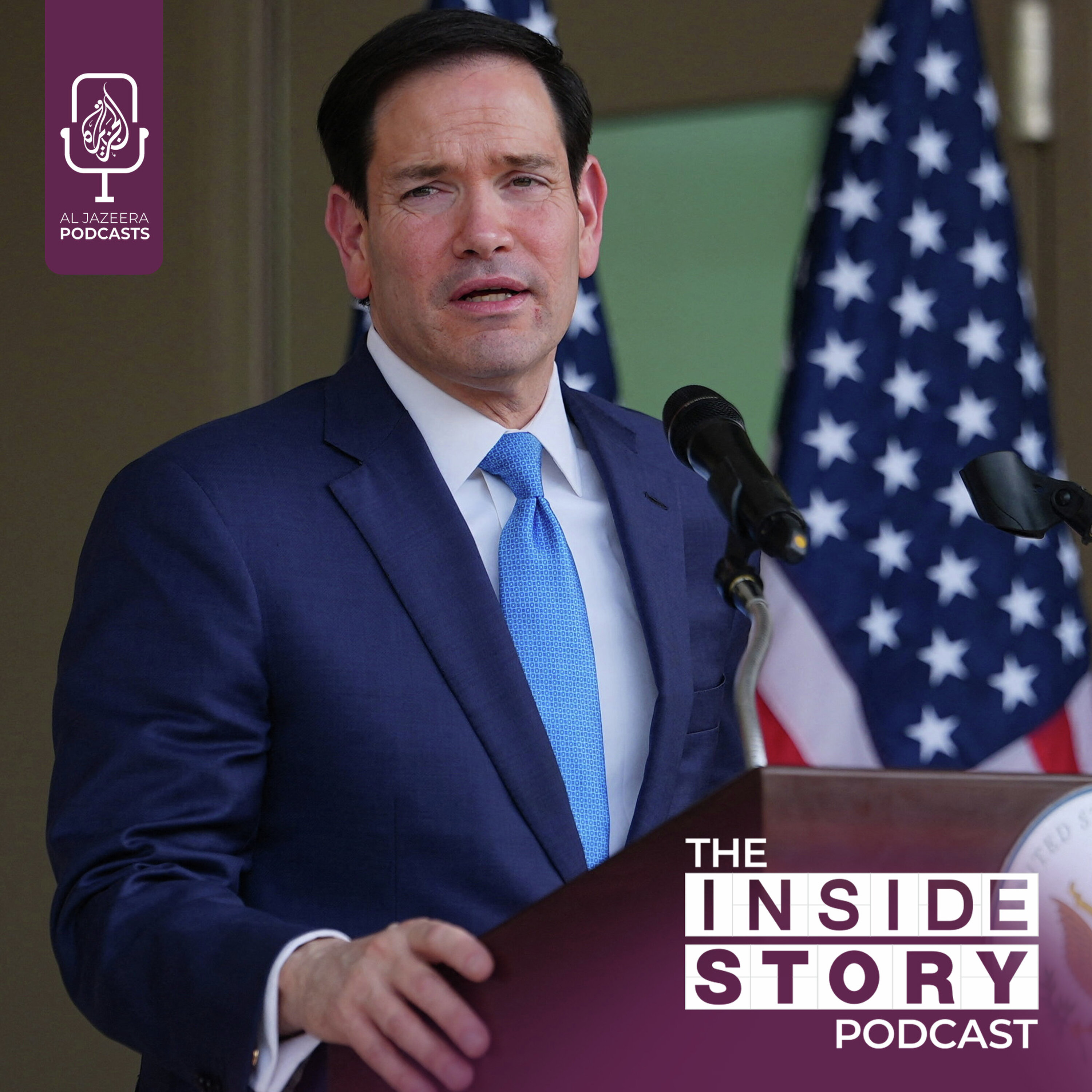
Is pragmatism replacing ideology in today's diplomatic world?
The US and India are seeking to mend ties after a year of diplomatic see-saw...tariffs imposed then quickly scrapped because of the war in Iran. It's one example of how international relations and conflict have become more complex and interlinked in recent years. So, is pragmatism replacing ideology in today's diplomatic world? In this episode: Brahma Chellaney - Prof
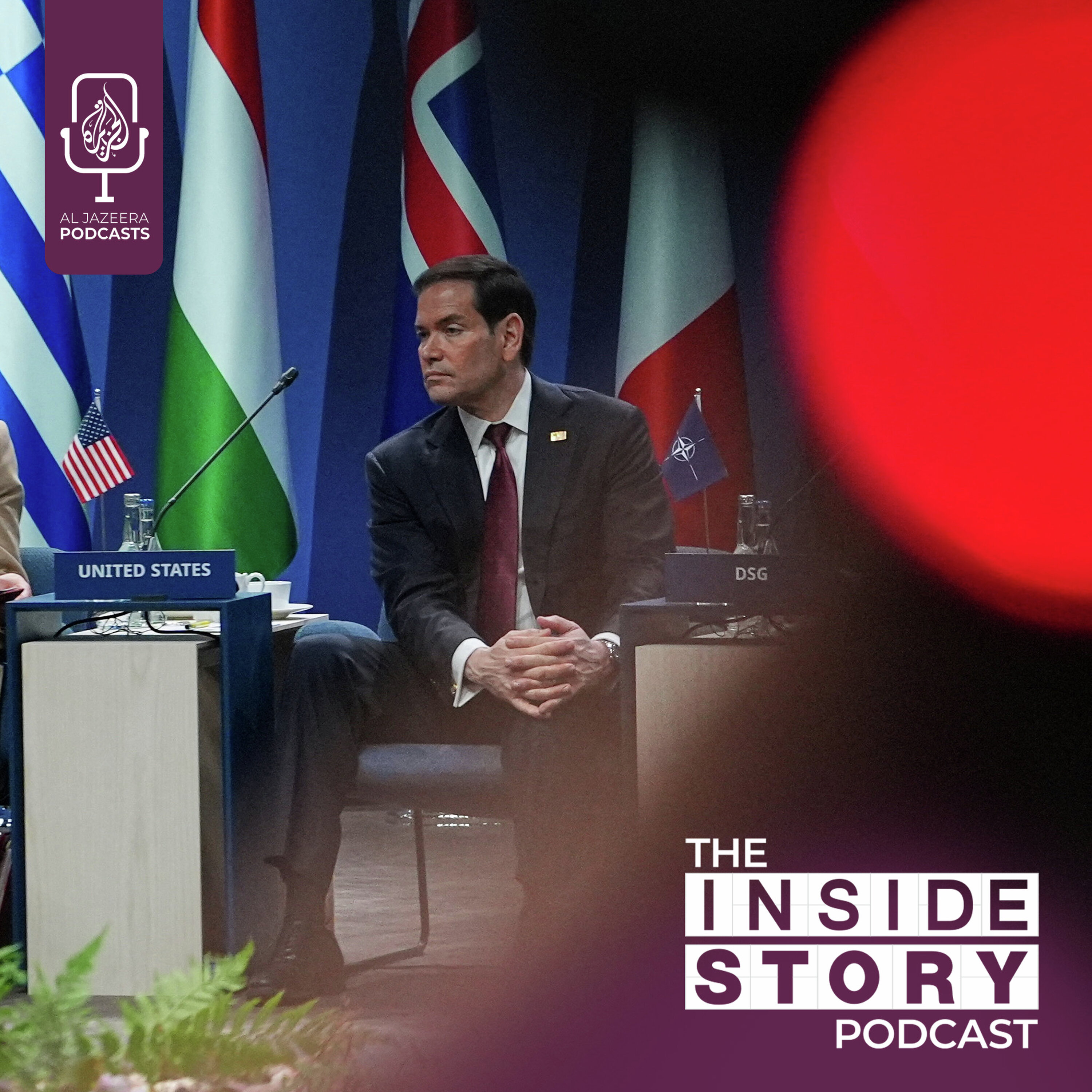
What are the implications of US sanctions in Lebanon?
Israel keeps up its attacks on Lebanon despite a ceasefire. The US has sanctioned nine people, including two Lebanese army officers accused of links to Hezbollah. It comes while Washington brokers more talks between Lebanese and Israeli officials. So, why these sanctions now? In this episode: David Wood, Senior Lebanon Analyst at the International Crisis Group Randa Slim, Middle East Progra